
Virtual View Windows
Window Installation Colorado
Window Installation Colorado: Built for Altitude, Engineered for Extreme Weather
Choosing the Right Window Material for Colorado's Climate
Not all window frames perform equally under Colorado conditions. Here is how the most common materials compare:
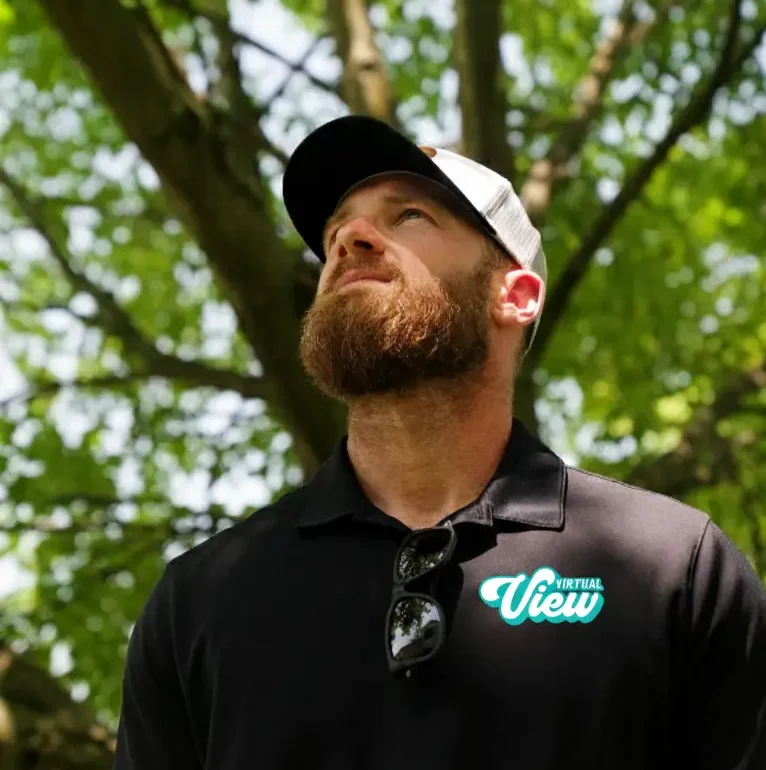
Free On-Site Estimate
A certified project advisor visits your home, measures every opening, evaluates frame and sill conditions, and provides a written, itemized quote with no pressure and no surprises.
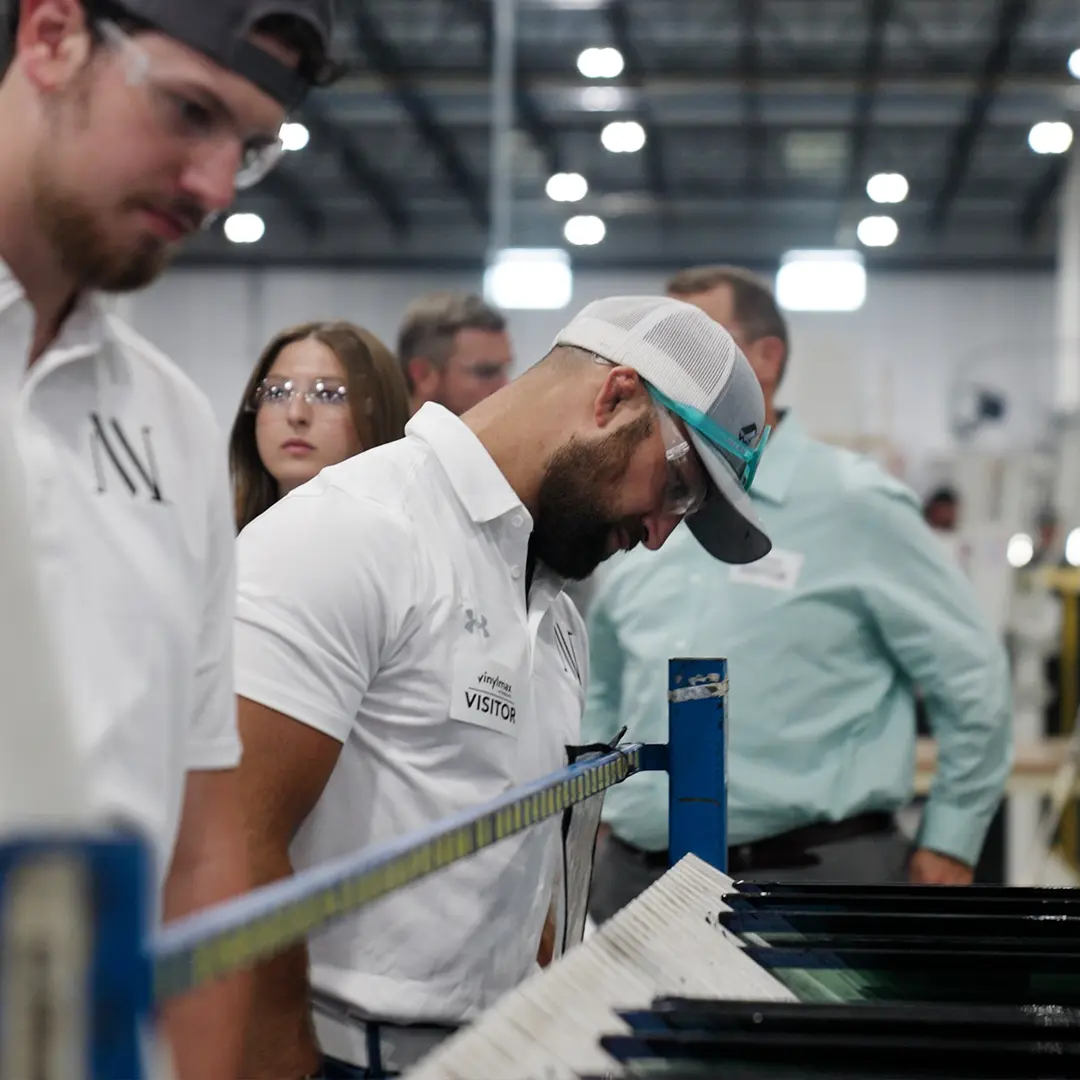
Product Selection
We guide you through window styles, frame materials, glass packages, and color options suited to your home's architecture and your energy goals.

Custom Order and Delivery Confirmation
Your windows are ordered to your exact specifications. Before scheduling installation, we inspect every unit at delivery to verify accuracy and confirm there are no defects.
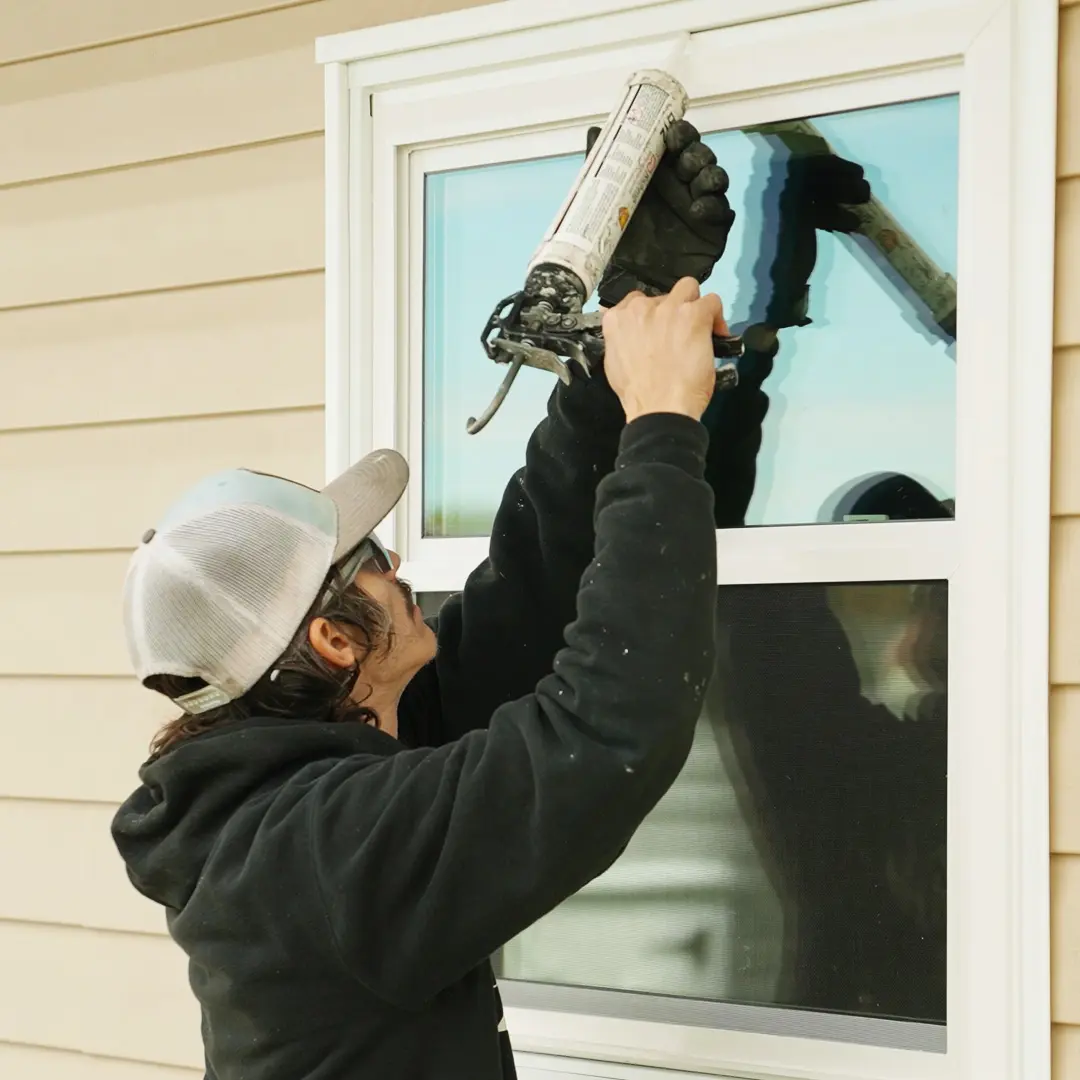
Professional Installation
Our licensed Colorado window installation crews work cleanly and efficiently. All interior surfaces are protected, old windows are removed and disposed of responsibly, and new units are installed with commercial-grade flashing, foam insulation, and weathertight caulk.
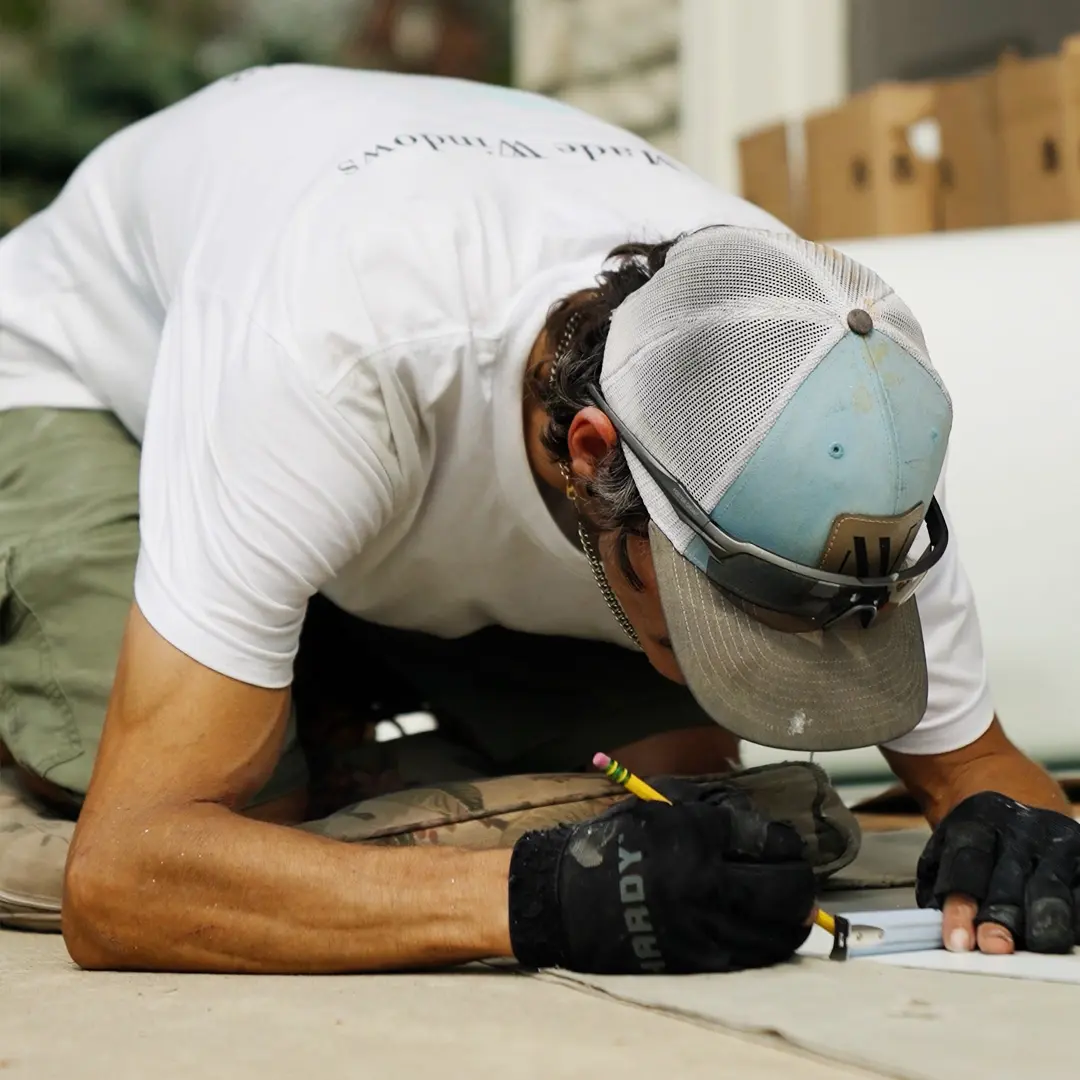
Final Inspection and Walkthrough
We review every installed window with you before we leave, demonstrate proper operation, and provide documentation of your product warranties.
Why Colorado's Altitude Changes Everything About Window Installation
Colorado sits at an average elevation of 6,800 feet above sea level, and many of the state’s most populated communities sit well above that. Denver sits at exactly 5,280 feet. Colorado Springs is at 6,035 feet. Vail is at 8,150 feet. This elevation difference creates a real and underappreciated technical challenge for window installation.
Standard insulated glass units (IGUs) are sealed and pressurized at the elevation where they are manufactured. When those units are transported to higher elevations, the lower atmospheric pressure at altitude causes the sealed air space between panes to expand outward. Without proper engineering, this outward pressure bowing stresses the seals, accelerates failure, and reduces the thermal performance of the glass package. The solution is the capillary tube, a small tube inserted into the spacer bar of the IGU that allows pressure equalization during transport and installation. Any window installer operating at elevation in Colorado should be specifying units with altitude-rated capillary tubes or altitude-fill procedures as a standard practice.
Virtual View Windows works exclusively with products and manufacturers whose IGUs are engineered for high-altitude installation. Every unit we specify for Colorado homes arrives with the proper pressure-equalization treatment to ensure long-term seal integrity, thermal performance, and a product life that matches the manufacturer’s warranty expectations.
Colorado's 2025 and 2026 Window Energy Code: What Every Homeowner Must Know
Colorado’s residential energy code landscape is changing in ways that directly affect window installation decisions being made right now. By July 1, 2025, Colorado municipalities are required to adopt either the 2021 or 2024 International Energy Conservation Code (IECC). Beginning January 1, 2026, the state will enforce specific new U-factor requirements that directly govern the minimum performance level of any replacement or new construction window installed in the state.
Under the incoming 2026 standards, windows installed in Colorado residential buildings must achieve a U-factor of 0.30 or lower. Additionally, all residential structures of three stories or fewer will be required to use ENERGY STAR certified windows, doors, and skylights meeting Northern climate zone criteria. For context, a U-factor of 0.30 represents a meaningful step beyond the minimum 0.32 that was previously acceptable in many Colorado climate classifications.
This matters for homeowners planning projects right now. Windows that meet the new 2026 standard are already available and represent the better investment, offering higher performance, better rebate eligibility, and a longer compliance runway. Colorado has also seen a 15 percent increase in energy-efficient window installations over the past year according to industry tracking data, which reflects how many homeowners are moving ahead of the code change to secure current incentives.
Virtual View Windows provides only products that meet or exceed the incoming 2026 Colorado energy code. Our project advisors will walk you through the specific requirements applicable to your municipality and ensure your installation is fully compliant from day one.
Window Services Near You: What Virtual View Windows Installs Across Colorado
From first-time window installations in new construction to complete whole-home replacement projects, Virtual View Windows delivers professional window services near you to residential and commercial customers across Colorado.
Building a new home or addition in Colorado requires windows specified to meet the 2021 or 2024 IECC from the outset. Our team works directly with builders and general contractors to select, supply, and install window packages that satisfy current and incoming energy code requirements, pass inspection, and perform at the level Colorado’s climate demands.
Many Colorado homes built before 2005 carry aluminum frames or early-generation vinyl units with single-chamber construction that fall well short of current energy performance standards. A full-home window installation project with Virtual View Windows includes a complete opening-by-opening assessment, custom window specification to your home’s style and climate zone, and installation performed by licensed Colorado crews with high-altitude IGU experience.
For homes above 7,000 feet or for north-facing exposures in any Colorado climate zone, triple-pane windows deliver substantially better thermal resistance than dual-pane alternatives. Triple-pane units with krypton gas fill and dual low-E coatings can achieve U-factors as low as 0.17, which is more than 40 percent better than the incoming 2026 minimum standard. Virtual View Windows offers a full triple-pane product line for Colorado homeowners prioritizing maximum efficiency and comfort.
Colorado ranks among the top three most hail-prone states in the country. The National Insurance Crime Bureau has identified the Denver metro area as one of the most active hail corridors in the United States. Hail-resistant impact glass is available in dual and triple-pane configurations and can significantly reduce the risk of glass breakage from Colorado’s frequent severe weather events, potentially lowering homeowner insurance premiums.
Our commercial division handles office buildings, retail storefronts, apartment complexes, and multi-unit residential properties across Colorado. We coordinate with general contractors, property managers, and building owners to deliver permitting, scheduling, and installation services that minimize operational disruption.
Colorado Window Installation Incentives: Federal Credits and Utility Rebates in 2025
Colorado homeowners investing in new window installation in 2025 have access to one of the most comprehensive incentive stacks in the country, and several of these programs have firm expiration dates that create genuine urgency.
- Federal Energy Efficient Home Improvement Credit (25C): Through December 31, 2025, Colorado homeowners can claim 30 percent of the cost of qualifying ENERGY STAR windows as a federal tax credit, up to $600 for windows and skylights per tax year. This nonrefundable credit applies to the primary residence only and requires NFRC-certified products meeting Northern climate zone ENERGY STAR criteria.
- Colorado Home Electrification and Appliance Rebate (HEAR) Program: The Colorado Energy Office launched the HEAR program in November 2025, funded through the Inflation Reduction Act. Limited to households at or below 150 percent of area median income, the program provides point-of-sale rebates for weatherization and energy efficiency upgrades including window-related air sealing measures.
- Xcel Energy Whole Home Efficiency Program: Xcel Energy customers who install three or more qualifying energy efficiency improvements within two years receive a 25 percent bonus rebate on top of all standard rebates earned. Xcel also subsidizes 60 percent of home energy audit costs up to $200 through approved contractors. Window air sealing and insulation improvements qualify as eligible measures within the program.
- Colorado Energy Savings Navigator: The Colorado Energy Office operates a digital tool at energysmartcolorado.org that connects homeowners to more than 600 energy rebates through utility companies across the state. Individual utility programs from Black Hills Energy, Colorado Springs Utilities, and Tri-State affiliates vary by service territory.
- Colorado Weatherization Assistance Program (WAP): Income-qualified homeowners statewide may receive free weatherization improvements through the Colorado Department of Local Affairs. Window-related improvements including air sealing are covered under the program.
Virtual View Windows prepares rebate documentation for every client as a standard component of our project closeout. We ensure you have everything needed to claim your federal credit and submit utility rebate applications, so no eligible savings are left unclaimed.
Choosing the Right Window Material for Colorado's Mountain Climate
Colorado’s combination of intense UV exposure, rapid freeze-thaw cycling, dry air, and occasional hail rules out several materials that perform adequately in gentler climates. Here is how the most relevant frame materials compare for Colorado conditions.
Vinyl Frames
High-quality multi-chamber vinyl remains the most widely installed window frame material in Colorado and for good reason. Modern vinyl formulations resist UV-induced fading, do not conduct heat the way aluminum does, and handle Colorado’s wide daily temperature swings without warping or contracting in ways that compromise weatherseals. Look for vinyl frames with welded corners, multi-chamber construction, and a UV-stabilized exterior finish rated for high-altitude solar exposure. Not all vinyl is equal; lower-grade single-chamber vinyl can become brittle in Colorado’s dry cold and fade quickly under intense UV.
Fiberglass Frames
Fiberglass expands and contracts at nearly the same rate as the glass itself, which is a meaningful advantage at altitude where temperature swings can exceed 40 degrees in a single day. This thermal compatibility reduces seal stress over time and supports a longer service life for the IGU. Fiberglass frames also deliver slightly higher insulating R-value than vinyl and are dimensionally stable even under extreme conditions. For high-altitude installations above 7,000 feet, fiberglass is frequently the preferred specification.
Composite and Wood-Clad Frames
Wood-clad composite frames offer the visual warmth of wood with a weather-resistant exterior shell. They perform well in Colorado’s mountain communities where architectural character matters and where budget accommodates a premium product. Composite frames with aluminum or fiberglass exterior cladding resist moisture and UV while protecting the structural wood core from Colorado’s summer monsoon season and winter freeze cycles.
How to Verify a Window Installation Contractor in Colorado
Colorado regulates residential construction through the Colorado Department of Regulatory Agencies (DORA). Window installation contractors performing permitted work must hold a valid state contractor registration and comply with local licensing requirements that vary by municipality. Denver, for example, requires an active Denver-issued contractor license for permitted home improvement work.
Before committing to any window installation near me contractor in Colorado, verify the following to protect your investment:
- State Contractor Registration: Verify active registration through the Colorado DORA Division of Professions and Occupations or the local municipality’s building department portal.
- General Liability and Workers Compensation Insurance: Request current certificates of insurance before work begins. An uninsured crew creates personal liability exposure for the homeowner.
- NFRC Product Certification: All products installed in permitted Colorado projects must carry NFRC labels. Request the NFRC label information or product data sheet for every window being proposed.
- High-Altitude IGU Experience: Ask specifically whether the contractor specifies altitude-rated capillary tube IGUs or uses an altitude fill protocol. This is a direct indicator of Colorado-specific expertise.
- ENERGY STAR Dealer Authorization: Contractor authorization from an ENERGY STAR certified window manufacturer is a baseline indicator of product quality and installation training standards.
- Written Contract with Itemized Scope: Colorado law requires a written home improvement contract for projects over $500. The contract must include a description of work, materials, timeline, price, and warranty terms.
Virtual View Windows meets every one of these standards. Our licensing documentation, insurance certificates, and product certifications are available to every client upon request before any contract is signed.
Frequently Asked Questions About Window Installation in Colorado
How much does window installation cost in Colorado in 2025?
Window installation in Colorado typically ranges from $450 to $1,500 per window fully installed, depending on size, frame material, glass package, and local labor rates. Triple-pane units for high-altitude homes generally run $100 to $250 more per window than comparable dual-pane units. A standard double-hung vinyl window in an average Front Range home typically falls between $550 and $900 installed. Virtual View Windows provides free, itemized on-site estimates with no pressure and no obligation.
Why does high altitude affect window installation in Colorado?
At Colorado’s elevation, lower atmospheric pressure causes standard insulated glass units to bow outward as sealed internal air expands. This stresses seals and accelerates failure. Windows installed in Colorado homes above 5,000 feet should include altitude-rated capillary tubes in the glass spacer to equalize pressure during transport and installation. Virtual View Windows specifies altitude-engineered IGUs for all Colorado installations as a standard practice.
Does Virtual View Windows serve my area in Arizona?
Yes. By July 2025, Colorado municipalities must adopt the 2021 or 2024 IECC. Starting January 1, 2026, all residential window installations must meet a U-factor of 0.30 or lower, and homes of three stories or fewer must use ENERGY STAR Northern climate zone certified windows. Virtual View Windows provides only products that meet or exceed these incoming standards.
What rebates are available for window installation in Colorado right now?
Colorado homeowners in 2025 can access the federal 25C Energy Efficient Home Improvement Credit of up to $600 for qualifying ENERGY STAR windows through December 31, 2025. Xcel Energy customers can earn a 25 percent bonus rebate through the Whole Home Efficiency Program when completing three or more qualifying upgrades. The Colorado HEAR program offers weatherization rebates for income-eligible households. Virtual View Windows identifies all applicable incentives at the time of your free estimate.
How do I find trusted window installation services near me in Colorado?
Verify state contractor registration through Colorado DORA, confirm current liability and workers compensation insurance, and ask specifically about high-altitude IGU installation experience. Request NFRC product certifications and a written itemized proposal before committing. Virtual View Windows provides window services near you across Colorado with active licensing, full insurance, altitude-certified products, and transparent pricing. Contact us to confirm service availability in your area.
Take the First Step Toward a Better-Performing Colorado Home

Colorado homeowners are navigating a window installation landscape that is more technically demanding than almost anywhere else in the United States. Between altitude-specific engineering requirements, incoming IECC energy code changes taking effect January 1, 2026, and a rich stack of incentive programs that expire at the end of 2025, the decisions you make about your windows right now carry more weight than they have in years.
The good news is that every one of these challenges is navigable with the right partner. Virtual View Windows brings Colorado-specific installation expertise, altitude-rated product specifications, full compliance with incoming energy codes, and a team that handles rebate documentation from start to finish. We serve homeowners and commercial property owners across the Front Range, Western Slope, and mountain communities with the same commitment to transparent pricing and certified workmanship.
Your free estimate is the starting point. No pressure, no rushed decisions, no surprises on the bill. Reach out today and let Virtual View Windows show you what window services near you looks like when it is done right for Colorado conditions. The incentive window for 2025 federal credits is closing, and the 2026 energy code is coming. There has never been a better moment to act.