

Full-Frame vs. Insert Window Installation: The Difference That Determines Your ROI?
Not every window replacement project is created equal. When homeowners begin searching for a window company near me, the most common question they ask is not about the brand or glass type. It is about which installation method will actually protect their investment. The choice between full-frame and insert window installation can be the single factor that determines whether your project pays for itself over time or leaves money on the table.
This guide from Virtual View Windows walks you through the core differences between both methods, reveals the data behind each approach, and helps you identify which installation type fits your home, your budget, and your long-term goals.
[STAT] According to the 2024 Remodeling Cost vs. Value report, vinyl window replacement delivers approximately a 67.1% ROI, adding over $14,000 to a home’s resale value. The installation method you choose directly affects whether you reach that figure or fall short.
What Is Full-Frame Window Installation?
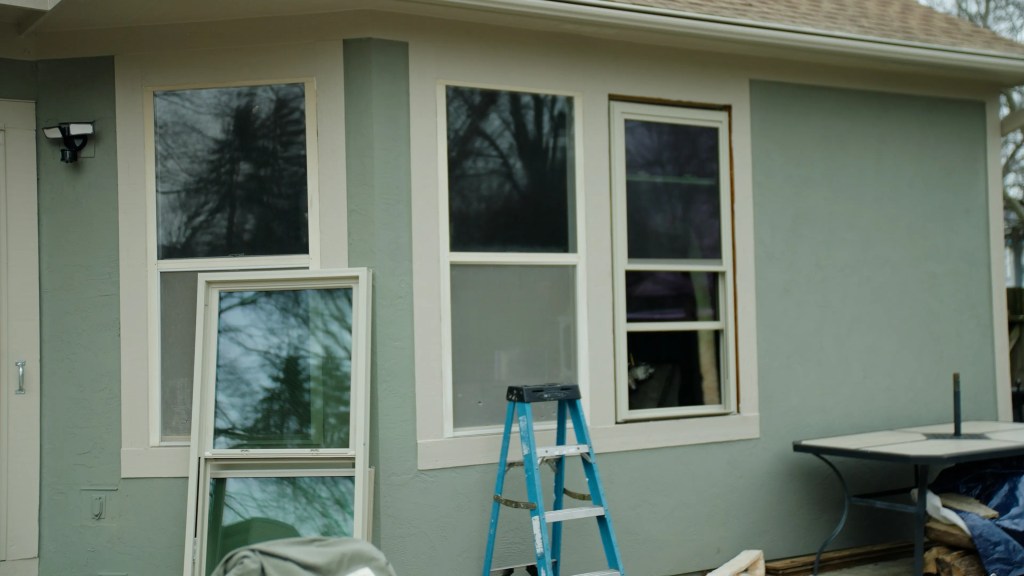
Full-frame window installation is the comprehensive approach. It involves removing everything: the existing sash, frame, sill plate, interior casing, and exterior trim, all the way back to the rough opening in the wall. Once the opening is bare, the installer inspects the structural framing, addresses any moisture damage, applies proper flashing and insulation, and then installs the new window unit from scratch.
This method is the gold standard for homes where the existing frames are aging, showing signs of rot or warping, or where the homeowner wants to change the window size or style entirely. Because the entire assembly is rebuilt, full-frame replacement eliminates hidden air infiltration points that cause energy loss over time.
Who Should Choose Full-Frame Installation?
- Homes built before 1990 with original windows still in place
- Any window showing visible rot, soft wood, or water staining on the frame
- Situations where the rough opening needs structural repair
- Homeowners who want to upgrade to a larger or differently styled window
- Properties preparing for resale where maximum ROI is a priority
[PRO TIP] Before scheduling any window project, have a certified installer inspect your frames from both inside and outside the home. Moisture damage hidden behind trim is a primary reason insert installations underperform expectations.
What Is Insert Window Installation?

Insert installation, also called pocket replacement, is a more targeted approach. The existing exterior casing and frame remain in place. The installer removes only the sash, glass, and interior hardware, then slides a new pre-built window unit into the existing frame pocket. This process is faster, less invasive, and generally less expensive upfront.
When the original frame is in pristine structural condition, square, dry, and free of decay, insert installation can be a practical and cost-effective solution. It is particularly popular in newer construction homes or in properties where only the glass or sash has failed while the surrounding structure remains solid.
Who Should Choose Insert Installation?
- Homes with frames that are structurally intact and less than 20 years old
- Projects with a tighter budget where the existing frame passes professional inspection
- Homeowners who prefer minimal interior disruption during installation
- Situations where only the glass unit or hardware has failed
[IMPORTANT NOTE] Insert installation preserves the existing frame, which means any moisture that has already entered the wall cavity continues unchecked. Always have frames professionally assessed before committing to this method.
Full-Frame vs. Insert Window Installation: Side-by-Side Comparison
Use this table as a reference when discussing your project with your window services provider near you.
| Factor | Full-Frame Installation | Insert Installation |
| Avg. Cost Per Window | $800 to $1,400+ | $300 to $700 |
| Structural Integrity | Complete rebuild | Frame must be sound |
| Energy Efficiency | Maximum potential | Good if frame is intact |
| Installation Time | 1 to 2 days per window | 2 to 4 hours per window |
| Best For | Damaged frames, older homes | Frames in good condition |
| Resale ROI | Up to 67.1% (2024 Cost vs. Value) | Lower long-term gain |
| Interior Disruption | Moderate to high | Minimal |
[STAT] A 2025 survey of 1,000 homeowners pegged the average window replacement cost at $554 per window, ranging from $338 to $897 depending on style, material, and installation type. Full-frame projects add cost at the installation stage but tend to reduce future maintenance expenses.
How Installation Type Directly Affects Your Energy Savings
Energy performance is where the difference between full-frame and insert installation becomes most financially significant. The U.S. Department of Energy confirms that heat gain and heat loss through windows account for 25 to 30 percent of a home’s entire heating and cooling energy consumption. What many homeowners do not realize is that the window itself is only one part of the equation. The quality of the installation seal is equally critical.
Full-frame installation allows the installer to properly insulate the rough opening with high-performance batt or spray foam, apply waterproof flashing, and create an airtight barrier at every edge. Insert installation, because it works within the existing frame, cannot correct gaps or voids that exist between the old frame and the wall structure.
[STAT] Industry research shows that improper window installation, of any type, can reduce a window’s energy efficiency by 15 to 30 percent and may void the manufacturer warranty entirely. Source: Guardian Home Energy Studies, 2025.
ENERGY STAR Savings by Method: Homeowners who replace single-pane windows with ENERGY STAR-qualified units through full-frame installation can save between $126 and $465 per year on energy bills, depending on climate zone. Installations that leave compromised frame structures in place typically land at the lower end of that savings range.
For homeowners in colder climates, full-frame installation paired with proper insulation can produce a payback period of 8 to 12 years on the energy investment alone, not counting the resale value gain.
The ROI Reality: What the Data Actually Shows
Return on investment for window replacement depends on three converging factors: the quality of the window product, the installation method, and the condition of the underlying structure. Virtual View Windows consistently sees homeowners who chose the lowest upfront cost option return within five to eight years facing the same problems because the root causes were never addressed.
[STAT] Zillow reports that new vinyl windows carry an average national cost of $16,802 with a resale value of $12,332, producing a 73.4% ROI. These figures assume properly executed full-frame replacement.
Here is how ROI plays out across both methods over a ten-year window:
- Full-frame installation: Higher upfront investment offset by lower maintenance costs, better energy performance, and stronger appraisal impact at resale
- Insert installation: Lower entry cost but potential for recurring expenses if frame deterioration continues or air infiltration was not corrected
- Federal Energy Efficient Home Improvement Credit: Currently allows homeowners to claim up to 30 percent of qualifying window costs, with a maximum of $600 annually through 2032 for ENERGY STAR Most Efficient windows
[STAT] The 2024 Cost vs. Value report from Remodeling Magazine documents that replacing 10 vinyl double-hung windows costs an average of $21,264, with a 67.1% ROI. Wood window replacements deliver approximately a 62.9% ROI. These numbers apply specifically to professionally installed, full-replacement projects.
Warning Signs That You Need Full-Frame, Not Insert, Installation
One of the most common and costly mistakes Virtual View Windows encounters is homeowners who received insert quotes from other contractors without a proper frame assessment. If any of the following conditions are present, insert installation will not solve the problem and may make it worse:
- Soft or spongy areas when you press on the frame or sill
- Discoloration, bubbling paint, or staining on interior walls near the window
- Windows that stick, bow, or no longer close flush
- Visible daylight or airflow at the frame perimeter when all windows are closed
- Condensation forming on the glass near the edges, not just in the center
- Frames that are clearly out of square when measured diagonally
A qualified window company near you will assess all of these factors during a pre-installation inspection at no charge. Virtual View Windows provides this evaluation as a standard first step for every project.
Don’t Forget Your Garage Door While Upgrading Your Home’s Exterior
While you’re investing in new windows to improve your home’s energy efficiency and curb appeal, it’s worth evaluating your garage door as well. A malfunctioning or outdated garage door can compromise your home’s security, insulation, and overall exterior appearance — undermining the upgrades you’re making elsewhere. Whether it’s a broken spring, a faulty opener, or general wear and tear, having a reliable repair service on call matters. Professional 24/7 garage door repair Houston ensures your garage door issues are addressed promptly, keeping your home secure and functioning at its best alongside your new window installation.
Virtual View Windows: Our Installation Process and Quality Standards
At Virtual View Windows, we approach every window services project near you with a three-phase process that ensures the installation method matches the actual condition of your home, not just the lowest bid.
Phase 1: Pre-Installation Assessment. Every project begins with an on-site frame evaluation. Our certified installers inspect the rough opening, frame perimeter, sill plate, and surrounding wall cavity for moisture, structural damage, and squareness. This assessment determines whether full-frame or insert installation is the correct recommendation.
Phase 2: Precision Installation. Whether full-frame or insert, every installation includes proper flashing application, insulation of accessible cavities, and verification of the thermal seal at every edge. We follow current building code requirements in every project.
Phase 3: Post-Installation Verification. Before we leave your property, we test every installed window for smooth operation, verify the perimeter seal from both inside and outside, and document the installation for your warranty records.
Our team holds manufacturer certifications that protect your product warranties and ensure the installation workmanship meets the standards necessary to qualify for available energy efficiency tax credits.
Frequently Asked Questions
These FAQs are optimized for voice search and Google related questions. Include this section near the bottom of the published page to capture featured snippet and People Also Ask placements.
Q1: What is the difference between full-frame and insert window installation?
Full-frame installation removes the entire window unit, including the frame, sill, and trim, down to the rough opening. Insert installation, also called pocket replacement, fits a new window into the existing frame without removing the surrounding structure. Full-frame is more comprehensive and addresses underlying issues, while insert is faster and less disruptive when the original frame is in excellent condition.
Q2: Which type of window installation gives a better return on investment?
Full-frame installation typically delivers a stronger long-term ROI because it addresses structural issues, eliminates air infiltration points, and meets current building codes. The 2024 Remodeling Cost vs. Value report shows vinyl window replacement can recoup approximately 67.1% of project costs at resale. If your existing frame has rot, warping, or moisture damage, insert installation will underperform because those underlying problems remain.
Q3: How do I know if I need full-frame or insert window installation?
A professional window company near you can assess your frames during a site inspection. General indicators for full-frame include visible rot or warping, water damage around the frame, windows more than 25 years old, drafts that persist even after weatherstripping, or if you want to change the window size or style. Insert installation works well when frames are structurally sound, square, and free of moisture damage.
Q4: Does full-frame window installation cost more than insert installation?
Yes. Full-frame installation typically costs between $800 and $1,400 or more per window installed, while insert installation generally runs $300 to $700 per window. The higher upfront cost of full-frame reflects the additional labor, materials, and structural work involved. However, full-frame often reduces future maintenance expenses and delivers better energy performance, which improves the overall value over the window lifespan.
Q5: Can window installation type affect my home energy bills?
Absolutely. The U.S. Department of Energy estimates that heat gain and heat loss through windows account for 25 to 30 percent of residential heating and cooling energy use. Full-frame installation allows installers to properly insulate the rough opening and create an airtight seal, maximizing energy performance. Improper installation of any type can reduce energy efficiency by 15 to 30 percent, which is why choosing a certified window services company near you matters.
Ready to Protect Your Home Investment? Start Here.
Choosing between full-frame and insert window installation is not a decision to make based on price alone. It is a decision that determines how much energy you waste every month, how your home is valued at resale, and whether you will face the same problems again in five years.
The research is consistent: professionally installed, properly assessed window replacement delivers real returns. Full-frame installation, when the conditions call for it, provides the structural integrity, energy performance, and resale value that insert installation simply cannot replicate in a compromised frame.
Virtual View Windows provides free, no-obligation frame assessments for homeowners throughout the area. Whether you are searching for a window company near me or looking for comprehensive window services near you, our certified team will give you an honest evaluation and a transparent recommendation.
We invite you to take the next step:
- Leave a comment below if you have questions about your specific window situation
- Share this article with a neighbor or friend who is comparing window installation quotes
- Contact Virtual View Windows today to schedule your complimentary pre-installation assessment
The right installation method, paired with the right window product and the right installer, is what separates a window project that pays you back from one that costs you twice. Let Virtual View Windows help you make that decision with confidence.