

Bay vs. Bow Windows: Which Style Actually Works for Your Home?
Standing in your living room and picturing a window that opens the wall to the world outside is one thing. Deciding which window style actually matches your home, your budget, and your lifestyle is something else entirely. Bay windows and bow windows are among the most searched window types by homeowners planning a renovation in 2025, and for good reason. Both project outward from your home’s exterior, both flood interior spaces with natural light, and both can dramatically raise your curb appeal. But they are not the same window.
This guide from Virtual View Windows breaks down every meaningful difference between bay and bow windows, from panel count and geometry to cost ranges, energy performance, ideal home styles, and what to expect during installation. By the time you finish reading, you will know exactly which window belongs in your home and what questions to ask when you contact a window services near you.
What Is a Bay Window?
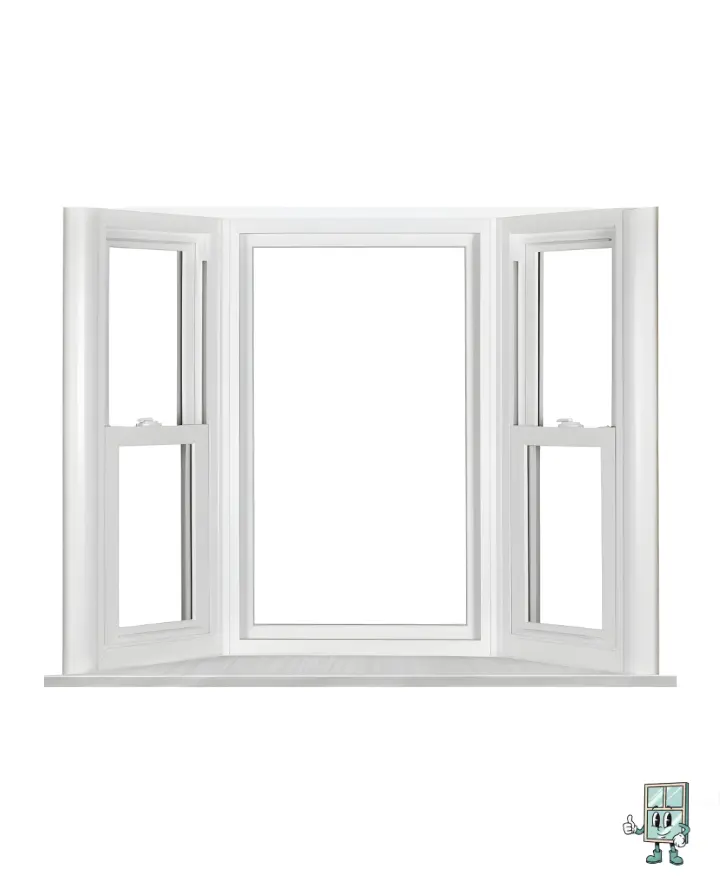
A bay window is a three-panel projecting window unit made up of one large fixed center pane flanked by two smaller operable windows on either side. The side panels are set at an angle, typically 25, 30, or 45 degrees, which creates a distinctive outward bump in the wall and carves out a small interior nook. The result is an angular, geometric silhouette that reads as sharp and architectural from the street.
That interior pocket is one of the most beloved features of a bay window. Homeowners turn it into a cushioned reading seat, a built-in bench with storage drawers underneath, a cozy dining nook in the kitchen, or a display shelf for plants and decor. The angled side panels are usually casement or double-hung windows, which means they open for ventilation while the center pane stays fixed and unobstructed.
Key structural fact: bay windows require a roof or hip structure above the projection and a support system below, typically cantilevered framing or angled knee braces visible from the exterior. This structural requirement is an important factor when planning installation costs.
What Is a Bow Window?
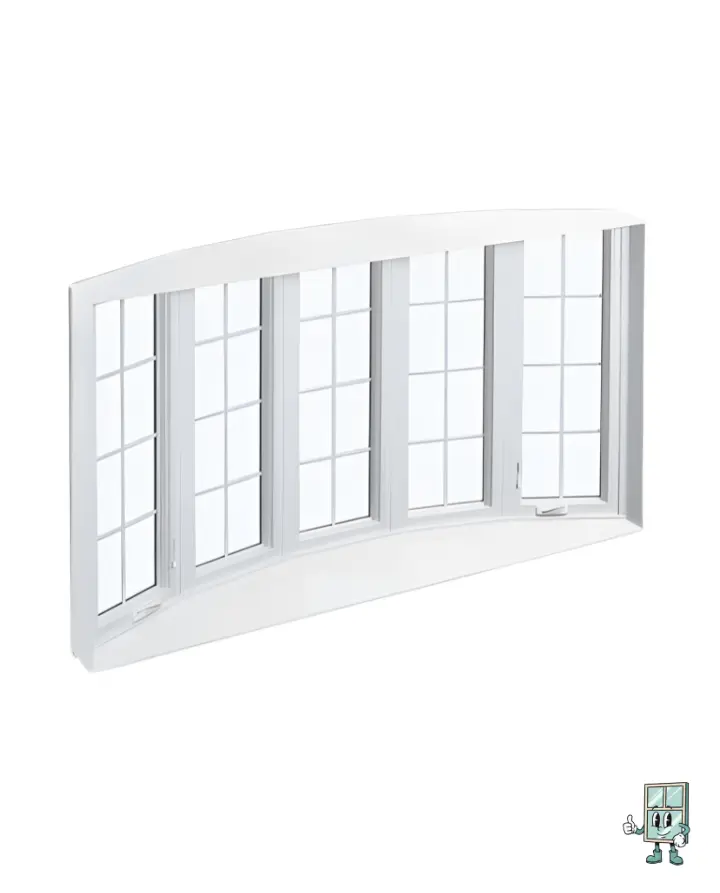
A bow window achieves a curved, sweeping shape by combining four, five, or six equally sized window panes arranged in a gentle arc. Rather than angling two panels out from a larger center pane, every panel in a bow window is the same width and set at a slight, equal angle relative to its neighbor. The cumulative effect of those small angles is a smooth curve that bulges outward from the home’s facade.
From the interior, a bow window creates a rounded alcove that feels wider and more expansive than a bay window nook. From the exterior, it adds a soft, elegant silhouette that reads as graceful rather than angular. Bow windows are closely associated with Victorian architecture, but they work beautifully on Cape Cods, traditional colonials, and even contemporary homes where a curved focal point can contrast with clean lines.
Design note: because all panels in a bow window are the same size, they are custom-built to the opening rather than manufactured in standard sizes, which contributes to the higher cost. Most bow windows also require a hip roof above the projection, making structural planning especially important.
Bay vs. Bow Windows: The Core Differences at a Glance
Before diving into each factor in depth, here is a clear summary of the structural differences between these two window styles so you can orient yourself before reading further.
Bay windows use three panels, create a sharp angular shape, offer a defined interior nook, allow natural ventilation through operable side windows, and generally cost less than bow windows of a similar size. Bow windows use four or more panels, produce a smooth curved arc, create a wider but shallower interior alcove, and are more expensive because of the added panel count and the complexity of custom fabrication. Both window types project from the exterior wall, both add interior space and natural light, and both require professional installation involving structural work.
Cost Comparison: How Much Do Bay and Bow Windows Cost in 2025?
Bay window installation cost:
According to current data from HomeAdvisor, bay windows typically cost between $1,800 and $6,000 installed, with the national average sitting around $3,200 depending on size, material, and labor rates in your area.
Bow window installation cost:
Bow windows carry a higher price tag due to their additional panels and custom fabrication requirements. HomeAdvisor reports the average cost to replace a bow window ranges from $2,000 to $4,500, with custom or premium configurations reaching $15,000 or more.
The cost gap between the two styles comes down to panel count and fabrication complexity. Bow windows require more panes, each of identical size and cut to a specific angle, and they often call for more extensive framing and roofing work above the projection. As a general rule, a bow window runs 1.5 to 2.5 times the price of a same-size bay window. Both window types cost significantly more than standard replacement windows, which is why understanding the long-term return on investment matters.
Return on Investment: According to the Remodeling Magazine 2024 Cost vs. Value Report, homeowners who replace windows can typically recoup between 60 and 70 percent of the project cost at resale. Energy-efficient upgrades and premium frame materials push that figure toward the higher end of the range.
Beyond resale value, energy-efficient bay and bow windows can reduce heating and cooling costs meaningfully. The U.S. Department of Energy estimates that heat gain and loss through windows accounts for 25 to 30 percent of residential energy use. Upgrading to double-pane or triple-pane glass with low-emissivity coatings can lower your energy bill by an average of 13 percent annually according to Energy Star data, and up to $568 per year when replacing single-pane windows.
Natural Light and Views: Which Window Lets In More?
Both window styles dramatically outperform flat, single-plane windows in terms of natural light because they wrap around the room from three sides. However, they approach light differently.
Bay windows concentrate natural light through a large fixed center pane, which is typically a picture window with unobstructed glass area. The angled side windows add supplemental light from the flanks. The net effect is bright, directional light that pools toward the center of the room.
Bow windows distribute light more evenly across a wider sweep of glass because all four to six panels are the same size and span a broader arc. If your priority is a panoramic, wraparound view of your garden or yard, a bow window’s wider field of vision generally wins. If your priority is maximum glass area in a smaller opening, the larger fixed center pane on a bay window may be more efficient.
Interior Space and Functionality
One of the most compelling reasons homeowners choose either style is the interior nook that the projection creates. Bay windows produce a more defined, angular nook that works well as a built-in window seat, a breakfast bench, or a planting shelf. The angular geometry makes it easier to fit custom bench cushions, cabinets, or storage drawers beneath the seat.
Bow windows create a shallower, wider, curved alcove that does not project as far from the exterior wall. The rounded interior feels more like an architectural gesture than a functional room expansion. Some homeowners fit a curved bench cushion across the bow window’s width, while others simply allow the rounded space to frame a seating area without built-in furniture.
Important consideration: if you want a deep window seat with practical under-seat storage, a bay window is generally the stronger choice. If you want a wider panoramic view and a softer, more elegant interior shape, a bow window delivers that experience.
Ventilation and Energy Performance
Ventilation is a practical consideration that separates bay and bow windows in a meaningful way. Bay windows typically include operable casement or double-hung side windows, which open to allow fresh air in. The large center pane is fixed and does not open. This arrangement gives the homeowner dependable cross-ventilation control.
Bow windows are more variable. Because all panels are the same size, some bow window configurations include alternating operable and fixed panes, while others are built entirely with fixed glass for maximum energy performance. Fixed glass windows are less likely to develop air leaks at the sash, which is why some sources note that bow windows can offer marginally better airtightness than bay windows in certain configurations.
Frame material has a significant impact on energy performance regardless of window style. Vinyl frames provide reliable insulation at a lower cost. Fiberglass frames offer the best insulation-to-durability ratio. Wood frames insulate well but require more maintenance. For homeowners in climates with harsh winters or hot summers, investing in triple-pane glass with argon gas fill and low-E coating is worth the added upfront cost.
Which Home Styles Match Each Window Type?
Best home styles for bay windows
Bay windows suit a wide range of architectural styles because their angular geometry complements both traditional and modern homes. They are a natural fit for Colonial, Cape Cod, ranch, Craftsman, and farmhouse-style homes. In kitchens, a bay window above the sink creates an airy, garden-adjacent cooking space. In bedrooms, the nook becomes a private reading retreat. In living rooms, a bay window frames a sofa arrangement and fills the room with directed natural light.
Best home styles for bow windows
Bow windows carry a distinctly classical, graceful character that pairs beautifully with Victorian, Tudor, English cottage, and traditional American colonial homes. Their curved silhouette from the exterior adds architectural romance that angular bay windows do not replicate. Bow windows also work well on larger rooms where the wider spread of glass panels will not feel cramped against nearby walls or furniture.
Installation: What to Expect From the Process
Both bay and bow windows require structural modifications to the exterior wall. The installation process is more involved than replacing a single flat window because the projection creates load-bearing implications for the wall framing above and below the opening.
A typical installation sequence involves removing the existing window or cutting a new opening, installing a structural header above the opening to carry the roof load, mounting the bay or bow window unit and anchoring it to the framing, building or attaching the roof or hip structure above the projection, applying exterior capping or cladding to seal and weatherproof the projection, and finishing the interior with a seat board, side panels, and trim.
Bow windows add complexity because each panel is custom-cut, and the curved shape requires precise fitting during the roof and framing stages. This is why bow window installation consistently takes longer and costs more than bay window installation of similar dimensions.
Virtual View Windows strongly recommends professional installation for both window types. Improper installation can compromise structural integrity, void manufacturer warranties, and create moisture infiltration problems that are expensive to remediate. Our team handles the full installation process from structural assessment to final trim, so you get lasting results with complete warranty protection.
Maintenance Requirements
Both bay and bow windows require routine maintenance to preserve performance and appearance. The most important maintenance tasks are cleaning the glass panels and frames, inspecting and replacing weatherstripping around operable sashes, checking caulking and exterior capping for cracks or gaps that could admit moisture, and lubricating hinges and locking hardware on operable casements.
Wood frames require the most maintenance attention, including periodic painting or staining to prevent moisture damage. Vinyl frames are low-maintenance and resist moisture, fading, and insects without painting. Fiberglass frames sit between the two in terms of maintenance, offering exceptional durability with minimal upkeep beyond occasional cleaning.
The roofline above a projecting window is also worth inspecting annually. Debris accumulation in the valley between the projection roof and the home’s exterior wall can trap moisture and lead to rot or leaks if not cleared. This is especially true for bow windows, where the wider projection creates a larger roof surface.
Frame Materials: Matching Your Budget to Your Priorities
The frame material you choose shapes the window’s cost, lifespan, insulating value, and maintenance demands. Here is a straightforward breakdown of the most common options available through Virtual View Windows for bay and bow window installations.
Vinyl is the most popular choice for budget-conscious homeowners. It resists moisture, requires no painting, and insulates reliably. Vinyl bay windows are available in a wide range of colors and grid patterns, and they carry the most competitive price point among all frame types.
Fiberglass offers superior strength, dimensional stability, and insulation compared to vinyl. Fiberglass frames do not expand and contract significantly with temperature changes, which reduces the risk of air gaps developing over time. The higher upfront cost is offset by long-term durability and lower maintenance.
Wood frames provide a warm, traditional aesthetic that is difficult to replicate with synthetic materials. They insulate well and can be painted or stained to match interior decor. However, wood requires the most maintenance and is vulnerable to moisture damage if not properly sealed and maintained.
Composite and Fibrex frames combine wood fiber and thermoplastic polymers to deliver the look of wood with significantly better moisture resistance. They are a strong choice for homeowners who want a premium aesthetic without the maintenance commitment of solid wood.
Making the Right Choice for Your Home
Choosing between a bay and a bow window comes down to five practical questions that account for your home’s architecture, your interior goals, your budget, and the space available on your exterior wall.
Question 1: How much wall space do you have?
Bay windows fit comfortably in smaller wall openings because the angular projection does not require as wide a span. Bow windows need more horizontal wall space because the curved arc spreads across four to six panels. If your target wall is narrow or interrupted by structural features, a bay window is the more adaptable choice.
Question 2: What is your primary goal?
If you want a defined interior nook with built-in seating and storage, prioritize a bay window. If you want a wider panoramic view and a softer, curved exterior silhouette, the bow window serves that goal better.
Question 3: What is your architectural style?
Angular homes with clean lines benefit from the defined geometry of a bay window. Homes with curved or ornate exterior details look more cohesive with a bow window’s graceful profile.
Question 4: What is your budget?
If budget is a primary consideration, bay windows offer similar light-gathering and nook-creating benefits at a lower total installed cost. Bow windows are the premium choice for homeowners willing to invest in a more architectural, custom-fabricated product.
Question 5: How important is ventilation?
If natural airflow matters to your daily comfort, a bay window with operable casement side panels gives you more reliable ventilation control. Ask your window installer about including operable panels in a bow window configuration if you want airflow from that window as well.
Frequently Asked Questions
What is the main difference between a bay window and a bow window?
A bay window uses three panels set at a sharp angle, typically between 25 and 45 degrees, to create an angular projection with a defined interior nook. A bow window uses four to six equally sized panels arranged in a gentle curved arc, producing a rounded projection with a wider but shallower interior alcove. The bay window shape is more angular and geometric, while the bow window shape is softer and more curved.
Which costs more, a bay window or a bow window?
Bow windows are generally more expensive than bay windows of similar size. Because bow windows require four or more custom-fabricated panels of identical dimensions rather than three standard panels, material and fabrication costs are higher. Labor costs are also typically greater for bow windows because the installation is more complex. According to current industry data, bow windows can cost 1.5 to 2.5 times as much as a comparable bay window.
Do bay or bow windows add value to a home?
Both window styles add curb appeal and increase perceived home value. According to the Remodeling Magazine 2024 Cost vs. Value Report, window replacement projects can return between 60 and 70 percent of the project cost at resale. Bay and bow windows, because of their architectural impact and light-gathering advantages, can also positively influence buyer interest and sale speed in competitive markets.
Can a bow window be installed in a small room?
Bow windows work best in larger rooms because they span a wide horizontal distance and create a shallow, curved interior alcove rather than a deep projecting nook. In smaller rooms or rooms with limited wall space, a bay window is typically a better fit because it requires a narrower wall opening and creates a more defined nook that does not visually overwhelm the room.
How do I find window services near me for bay or bow window installation?
Start by looking for a licensed window contractor in your area who has documented experience with projecting window installations specifically. Bay and bow windows require structural work including header installation, exterior framing, and roofline flashing that goes beyond a standard window replacement. Virtual View Windows offers window services near you with free in-home consultations, professional measurements, and end-to-end installation with full warranty coverage. Contact our team to schedule your assessment and receive a detailed project estimate.
Conclusion: Ready to Transform Your Home with the Right Window?
Bay and bow windows both belong in the category of home improvements that genuinely change how a space feels to live in. The right choice depends on your wall space, your architectural style, your interior goals, and your budget, and no single answer fits every home.
What we do know from two decades of window services near you is this: homeowners who invest in professionally installed, energy-efficient projecting windows almost universally report that the upgrade exceeded their expectations. The combination of increased natural light, added architectural character, and measurable energy savings makes a compelling case for either window style.
If you are weighing a window replacement near me search and wondering where to start, Virtual View Windows is ready to help. We assess your home’s structure, match you with the right window style and materials for your specific situation, and handle the entire installation so you get lasting results with zero guesswork.
Schedule your free in-home consultation with Virtual View Windows today. Our window specialists will measure your space, walk you through both bay and bow window options in person, and give you a transparent, no-pressure project estimate. Reach out to the window services near you that homeowners have trusted for quality and expertise.