
Virtual View Windows
Window Installation North Carolina
Window Installation North Carolina: From the Outer Banks to the Blue Ridge, Performance Matched to Every North Carolina Climate
Window installation in North Carolina is never a one-size-fits-all decision. The state stretches from the storm-battered Outer Banks and coastal plain, where tropical storm force winds arrive 15 to 20 days per year and homes east of the Intracoastal Waterway must meet ASTM E1996 large missile impact glazing standards, through the humid Piedmont where Charlotte’s average July dew point tops 68 degrees Fahrenheit, all the way up to the Blue Ridge and Appalachian communities of Asheville, Boone, and Brevard where mountain winters bring freeze-thaw cycling that tests frame seals in ways the flatlands never encounter. Virtual View Windows is a dedicated window installation North Carolina company serving homeowners and commercial property owners in Charlotte, Raleigh, Greensboro, Durham, Winston-Salem, Fayetteville, Wilmington, Cary, High Point, Asheville, and communities statewide with ENERGY STAR Climate Zone 3 certified, code-compliant, regionally appropriate window solutions.
If you have been searching for reliable window installation near me in the Charlotte metro or the Research Triangle, or looking for window services near you along the NC coast or in the mountain communities, this guide delivers the specific, current information you need about North Carolina’s window performance requirements, the landmark Energy Saver NC rebate program that launched in January 2025 with over $208 million in funding, and what it takes to hire a contractor qualified to install windows that perform in your specific North Carolina region.
Choosing the Right Window Material for North Carolina's Climate
Not all window frames perform equally under conditions. Here is how the most common materials compare:
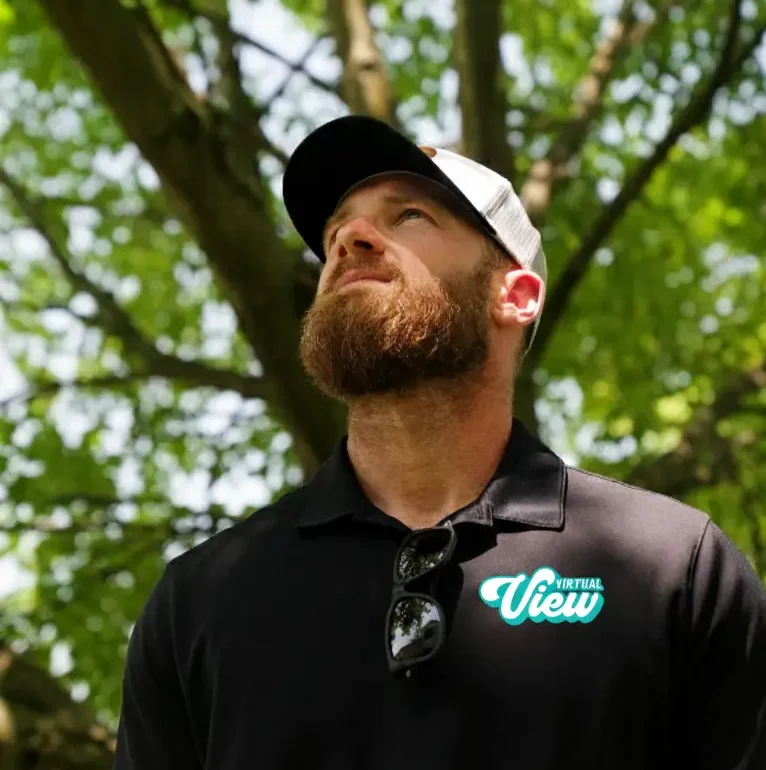
Free On-Site Estimate
A certified project advisor visits your home, measures every opening, evaluates frame and sill conditions, and provides a written, itemized quote with no pressure and no surprises.
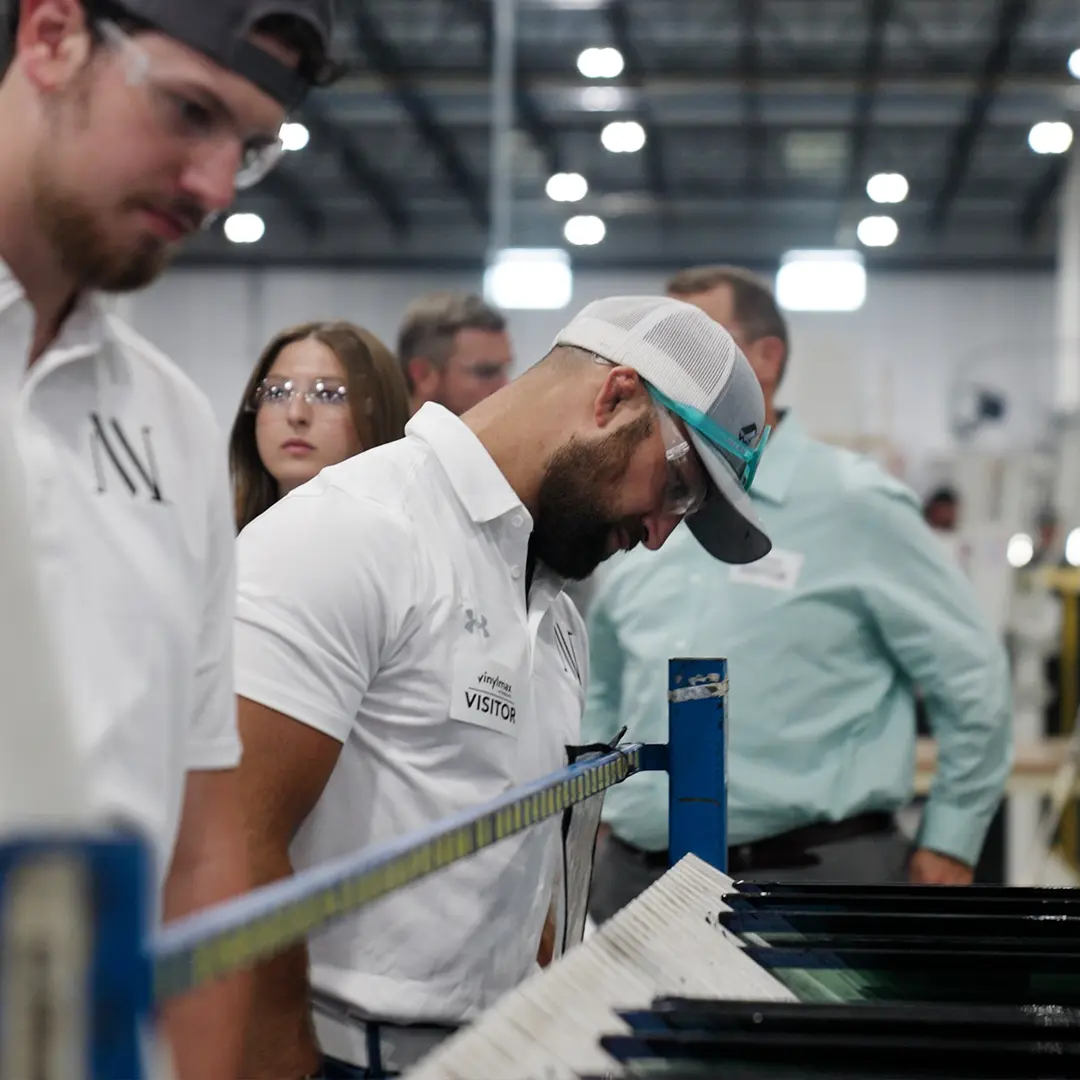
Product Selection
We guide you through window styles, frame materials, glass packages, and color options suited to your home's architecture and your energy goals.

Custom Order and Delivery Confirmation
Your windows are ordered to your exact specifications. Before scheduling installation, we inspect every unit at delivery to verify accuracy and confirm there are no defects.
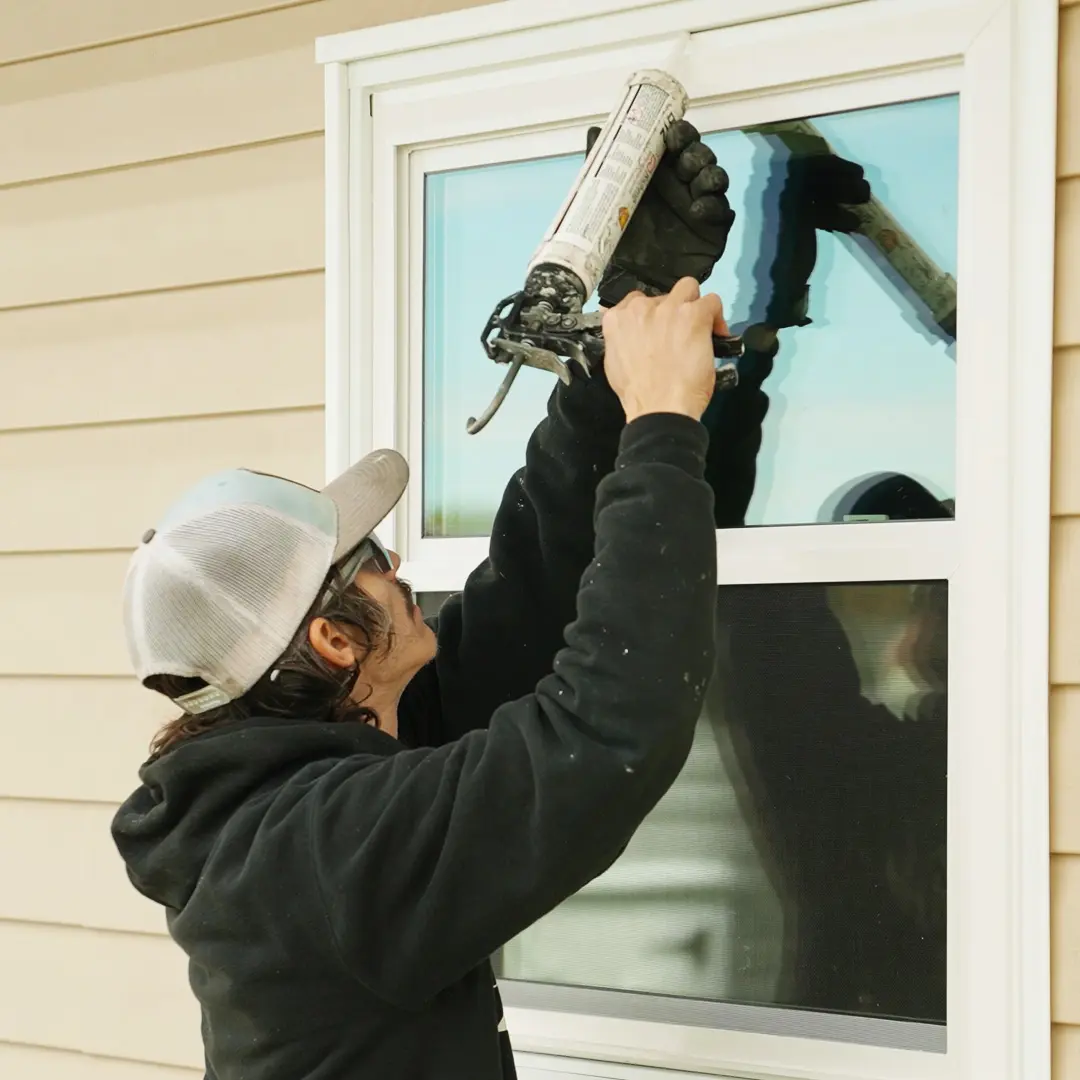
Professional Installation
Our licensed North Carolina installation crews work cleanly and efficiently. All interior surfaces are protected, old windows are removed and disposed of responsibly, and new units are installed with commercial-grade flashing, foam insulation, and weathertight caulk.

Final Inspection and Walkthrough
We review every installed window with you before we leave, demonstrate proper operation, and provide documentation of your product warranties.
Three Climates, One State: Understanding North Carolina's Window Performance Demands by Region
North Carolina occupies a single ENERGY STAR Climate Zone classification: Zone 3, the South/Central zone. But within that classification, the state presents three meaningfully different regional climates that define what window installation must deliver to actually perform rather than simply meet a code standard.
The coastal region, from the Outer Banks and Wilmington through Jacksonville and Morehead City, faces the most demanding window specifications in the state. North Carolina records one of the highest frequencies of hurricanes and tropical storms of any state in the country, and those events translate into structural requirements for window installation that go far beyond energy efficiency. Windows in many coastal NC counties must achieve Design Pressure ratings of DP 50 or higher, with some areas requiring DP 65. Homes east of the Intracoastal Waterway must comply with ASTM E1996 large missile impact glazing standards as a matter of law under the 2024 North Carolina Residential Code. Choosing standard residential windows for a coastal NC installation is not just a performance compromise: it is a code violation and an insurance liability.
The Piedmont region, anchoring Charlotte, Raleigh, Greensboro, and Durham, sits in the humid subtropical climate that drives North Carolina’s summer cooling loads. With Charlotte’s average July dew point consistently topping 68 degrees Fahrenheit, the combination of intense solar radiation and high humidity generates heat gain through glass that demands windows with a low Solar Heat Gain Coefficient. For most Piedmont installations, window specialists recommend a U-value of 0.27 or lower with an SHGC around 0.25, a pairing that reduces summer heat gain while maintaining adequate winter thermal resistance. The U.S. Department of Energy estimates that heat gain and loss through windows accounts for up to 30 percent of a home’s total heating and cooling energy consumption, and in the Piedmont’s humid subtropical climate, that percentage is dominated by summer cooling load.
The mountain region, from Asheville and Hendersonville through Boone, Blowing Rock, and Brevard, faces a different challenge. At elevations above 2,000 feet, freeze-thaw cycling becomes a primary frame stress factor that the Piedmont and coast do not experience with the same frequency or severity. High-altitude UV exposure and the narrow daily temperature swings common in mountain communities accelerate seal degradation in frames not specified for mountain conditions. Vinyl window replacement returns approximately 65 to 70 percent of project costs at resale in North Carolina, and that figure applies most consistently when the installed product is properly specified for the regional climate rather than selected purely on price.
North Carolina's 2024 Residential Code: What Window Installation Must Comply With Statewide
North Carolina issues its own state residential building code under the authority of the NC Building Code Council, administered by the NC Department of Insurance. The 2024 North Carolina Residential Code, which governs all residential construction and permitted window installation in the state, includes both energy performance requirements and structural design pressure requirements that vary significantly across the state’s three geographic regions.
For energy performance in ENERGY STAR Climate Zone 3, the 2024 NC Residential Code requires replacement windows to achieve a maximum U-factor of 0.30 and a maximum Solar Heat Gain Coefficient of 0.25 for most North Carolina residential applications. Industry specialists for NC specifically recommend tightening the U-factor specification to 0.27 or lower and targeting an SHGC of 0.25, the combination that delivers the best balance of summer heat rejection and winter thermal efficiency across the state’s humid subtropical climate conditions.
For structural compliance in coastal counties, the 2024 NC Residential Code mandates Design Pressure ratings that vary by specific location and exposure category. Many coastal NC counties require DP 50 as a minimum, and homes in the highest-exposure categories require DP 65 or impact-rated glass. Homes east of the Intracoastal Waterway must meet ASTM E1996 large missile impact glazing standards, which require laminated or impact-resistant glass that can withstand the debris impact loads associated with hurricane conditions. These requirements are not optional recommendations: they are mandatory code requirements that must be verified and documented at time of permit and inspection.
Permits are required for window installation in North Carolina. The permit process confirms code compliance, documents the design pressure and glazing specifications for the installed windows, and protects the homeowner from liability if undocumented non-code installation is discovered during a future property sale or insurance claim. Virtual View Windows handles permit research and application as standard project scope in every North Carolina municipality we serve.
Window Services Near You Across Every Region of North Carolina
From the oceanfront communities of the Crystal Coast to the fast-growing suburbs of the Charlotte metro to the mountain towns of the Blue Ridge Parkway corridor, Virtual View Windows delivers professional window services near you with product specifications and installation standards matched to each North Carolina region’s unique demands. Our statewide service model means that whether your project is in a coastal county where hurricane-rated glazing is legally required, a Piedmont suburb where summer solar heat management is the primary driver, or a mountain community where freeze-thaw performance matters as much as any other variable, you receive the same commitment to correct specification and lasting performance.
For new home builds, additions, and full renovation projects across North Carolina, Virtual View Windows installs new construction window packages from the framing stage forward. New construction installations use a nailing-fin frame attached directly to wall framing, creating the most weathertight exterior assembly available and the best integration with the building’s water-resistive barrier and air sealing systems. We work with general contractors, custom builders, and design-build firms throughout the state and coordinate product delivery and installation sequencing within each project’s construction schedule. All new construction windows are specified to meet or exceed the 2024 NC Residential Code requirements, including any applicable DP or impact glazing requirements for coastal NC projects.
Insert replacement places a new window unit within an existing structurally sound frame, preserving interior and exterior trim and minimizing project disruption. Full-frame replacement removes the entire window assembly down to the rough opening and is required when existing frames show moisture damage, rot from North Carolina’s persistent humidity, or structural inadequacy for current code-required design pressure ratings. For older coastal NC homes that were originally installed with substandard windows before current hurricane code requirements took effect, full-frame replacement is frequently necessary to achieve the DP rating and glazing standard required by the 2024 NC Residential Code. Virtual View Windows assesses every opening individually and recommends the correct method.
Hurricane-rated and impact-resistant window installation is a legal requirement for many North Carolina coastal homeowners and a practical necessity for any coastal property owner seeking to protect their investment from storm damage and maintain favorable homeowner’s insurance rates. Virtual View Windows installs hurricane-rated windows meeting the ASTM E1996 large missile impact standard for all homes east of the Intracoastal Waterway and for any other project where local code or homeowner preference calls for impact-rated glazing. Our coastal NC product specifications cover the full range of DP ratings from DP 40 through DP 65, and our project team verifies the specific code requirements for your county and exposure category at the time of every coastal estimate.
Mountain and Freeze-Thaw Zone Window Installation
For homeowners in Asheville, Boone, Brevard, Hendersonville, Blowing Rock, Weaverville, and other western North Carolina communities above 2,000 feet elevation, Virtual View Windows specifies window packages that address the mountain region’s unique combination of freeze-thaw frame cycling, high-altitude UV exposure, and winter heating loads that exceed those of the Piedmont metro. Our mountain NC specifications include premium multi-chamber vinyl and fiberglass frame options with enhanced weatherseal systems and insulated glass packages calibrated to the elevation and orientation of your specific home.
Commercial Window Installation
Our commercial division serves office buildings, retail properties, multi-family residential complexes, condominium associations, hotels, and institutional facilities across North Carolina. Commercial projects in Charlotte, Raleigh, Greensboro, and Wilmington involve city-specific permitting requirements and, for coastal commercial properties, structural engineering review of design pressure specifications that our team coordinates as standard project scope. We work directly with property managers, general contractors, and building owners, and we schedule installations with the flexibility needed to minimize disruption in occupied buildings.
Energy Saver NC and Window Installation Incentives: What North Carolina Homeowners Can Access in 2025
North Carolina homeowners installing energy-efficient windows in 2025 have access to one of the most well-funded state incentive programs in the country. The combination of the newly launched Energy Saver NC program, the federal 25C tax credit, and utility programs from Duke Energy and Dominion Energy creates a financial picture that significantly reduces the net cost of a qualifying window installation project.
Energy Saver NC HEAR Program:
The HEAR pathway under Energy Saver NC provides up to $14,000 in rebates for high-efficiency electric appliances and supporting home improvements including insulation and air sealing that can be paired with a window installation project. The HEAR program delivers instant point-of-installation discounts through registered contractors for qualifying improvements, making it a particularly practical option for eligible households who want to see savings reflected immediately rather than waiting for a tax credit or rebate check. As with HOMES, household income eligibility is based on Area Median Income by county.
Energy Saver NC HEAR Program:
The HEAR pathway under Energy Saver NC provides up to $14,000 in rebates for high-efficiency electric appliances and supporting home improvements including insulation and air sealing that can be paired with a window installation project. The HEAR program delivers instant point-of-installation discounts through registered contractors for qualifying improvements, making it a particularly practical option for eligible households who want to see savings reflected immediately rather than waiting for a tax credit or rebate check. As with HOMES, household income eligibility is based on Area Median Income by county.
Federal Energy Efficient Home Improvement Credit (25C):
Through December 31, 2025, North Carolina homeowners may claim 30 percent of the cost of qualifying ENERGY STAR certified windows as a nonrefundable federal income tax credit, up to $600 for windows and skylights per tax year. The credit applies to primary residences. For 2025, the IRS requires reporting a Qualified Manufacturer Identification Number (QMID) for each installed window product on the federal tax return. Virtual View Windows provides complete QMID records and NFRC documentation for every project as part of standard closeout. Energy Saver NC rebates and the 25C credit can be stacked on the same project, provided the combined rebates do not exceed the total project purchase price.
Duke Energy Smart $aver Program:
The HEAR pathway under Energy Saver NC provides up to $14,000 in rebates for high-efficiency electric appliances and supporting home improvements including insulation and air sealing that can be paired with a window installation project. The HEAR program delivers instant point-of-installation discounts through registered contractors for qualifying improvements, making it a particularly practical option for eligible households who want to see savings reflected immediately rather than waiting for a tax credit or rebate check. As with HOMES, household income eligibility is based on Area Median Income by county.
NC Weatherization Assistance Program (WAP):
Income-eligible North Carolina homeowners may receive free weatherization services through the NC WAP administered in coordination with local Community Action Agencies. The Energy Saver NC program specifically notes integration with WAP for eligible participants. Homeowners participating in federal assistance programs including LIEAP or Medicaid may qualify for higher rebate tiers without additional income verification.
Window Frame Materials for North Carolina: Matching the Right Product to Your Region
North Carolina’s three-region climate profile means that the best window frame material choice genuinely varies by where in the state your home is located. Here is how the primary options compare, using North Carolina’s actual regional conditions as the governing lens rather than generic performance claims.
Multi-Chamber Vinyl: The Statewide Standard for Piedmont and Mountain NC
Fully welded multi-chamber vinyl is the most widely installed window frame material across North Carolina and the recommended baseline specification for the Piedmont and mountain regions. North Carolina window specialists consistently recommend fully welded vinyl frames, noting that welded corners eliminate the air infiltration failure points that develop in mechanically joined vinyl frames over time. For Piedmont applications in Charlotte, Raleigh, and Greensboro, multi-chamber vinyl with Low-E argon glass achieving a U-value of 0.27 or lower and SHGC of 0.25 delivers the best balance of summer heat rejection and winter thermal efficiency at the most accessible price point. For mountain applications, cold-climate vinyl compounds with four or more insulating chambers provide the dimensional stability needed across western NC’s freeze-thaw temperature swings.
Fiberglass and Pultruded Composite: The Premium Specification Across All NC Regions
Pultruded fiberglass window frames are the unmatched structural choice for North Carolina’s coastal and mountain regions where the most demanding performance conditions exist. Fiberglass frames resist bending and warping in both extreme temperatures and high-wind conditions, making them the strongest specification available for coastal NC applications where DP ratings of 50 to 65 require structural rigidity that standard vinyl cannot always provide. In hurricane-rated applications east of the Intracoastal Waterway, fiberglass and composite frames support the highest available design pressures, with some products reaching DP 65, and pair effectively with laminated impact glass to create a fully code-compliant coastal window assembly. In mountain NC applications, fiberglass’s thermal expansion coefficient closely matching that of glass protects insulated glass unit seals from the rapid temperature changes that characterize western NC’s mountain climate.
Aluminum with Thermal Break: Coastal Commercial and Architectural Residential
Thermally broken aluminum is a viable specification for coastal NC commercial applications and for contemporary architectural residential projects where slim sight lines, high design pressure ratings, and marine-grade corrosion resistance are all required. Standard aluminum without a thermal break is not recommended for any conditioned residential space in North Carolina due to condensation risk and inadequate thermal resistance in Zone 3 conditions. For coastal residential applications in the highest aesthetic demand contexts, marine-grade anodized aluminum with thermal breaks and impact-rated glazing delivers code compliance and corrosion resistance, but at a price premium that most residential applications do not justify over fiberglass. Virtual View Windows recommends fiberglass or premium vinyl for virtually all NC residential applications and reserves aluminum specifications for commercial and specific architectural contexts.
Wood and Wood-Clad Frames: Historic NC Districts
Wood-clad composite frames are appropriate for North Carolina’s historic residential neighborhoods, including the National Register districts of New Bern, Wilmington, Raleigh, and numerous Piedmont historic towns, where preservation guidelines may require matching original window proportions and exterior profiles. In North Carolina’s humid climate, standard unclad wood frames present persistent moisture management challenges that accelerate deterioration in the state’s combination of hot, humid summers and the wet shoulder seasons that drive wood expansion and contraction. Wood-clad frames with aluminum or fiberglass exterior cladding and fully sealed exterior assemblies perform reliably in NC historic district applications when installed with proper drainage and moisture management details. For coastal historic districts, the choice of cladding material and hardware must also account for salt air corrosion resistance.
Virtual View Windows prepares complete NFRC product documentation, QMID records for 25C credit processing, and written project summaries for every Missouri client. Our team monitors both the Ameren Missouri PAYS program and the pending Missouri HOMES program for any new window-eligible improvements and proactively communicates updates to clients planning projects.
How to Find and Verify a Window Installation Near Me Contractor in North Carolina
North Carolina has a structured contractor licensing framework administered by the North Carolina Licensing Board for General Contractors (NCLBGC). Understanding the licensing tiers and the Energy Saver NC contractor registration requirement is essential for homeowners evaluating any window installation near me provider in the Tar Heel State.
Before committing to any window installation near me contractor in North Carolina, verify the following:
- NC Licensing Board for General Contractors License: The North Carolina Licensing Board for General Contractors requires contractors to hold a current license for building projects valued at $30,000 or more. For residential projects under $30,000, the Residential Building Contractor (RBC) specialty license applies. Verify license status and confirm no disciplinary actions through the NCLBGC online license search at nclbgc.org. Any professional NC window installation company performing multi-window projects at residential properties should hold the appropriate current license.
- Workers Compensation Insurance: North Carolina requires all contractors with three or more employees to carry workers compensation insurance. Request a current certificate of insurance before any work begins. Contractors without workers compensation coverage shift injury liability to the homeowner for any worker injured on your property.
- Energy Saver NC Registered Contractor Status: For projects where the homeowner intends to claim Energy Saver NC HOMES or HEAR rebates, the installation must be performed by a registered Energy Saver NC contractor. Confirm that your selected installer is registered on the Energy Saver NC contractor list at energysavernc.org before project work begins. Self-installation projects do not qualify for Energy Saver NC rebates.
- Coastal NC DP Rating and Impact Glazing Expertise: For projects in coastal North Carolina counties, confirm that the contractor understands the specific DP rating requirements and ASTM E1996 impact glazing standards for your county and exposure category. Request documentation of the proposed windows’ DP rating and impact certification before signing any coastal project contract.
- Building Permit Coordination: Confirm that the contractor handles building permit research and application in your municipality. Window installation requires a permit in North Carolina, and the permit inspection process documents DP rating and glazing code compliance for coastal properties. Unpermitted window work creates code violation exposure and insurance claim complications.
- NFRC Certification and QMID Documentation: Request NFRC label data for every window proposed, confirming U-factor and SHGC values. In 2025, also request the QMID for every product if you plan to claim the federal 25C tax credit. Virtual View Windows provides complete NFRC and QMID documentation for every project.
- Written Contract: Any professional NC window installation contractor should provide a detailed written contract before starting work, including complete material specifications with NFRC ratings, design pressure certifications for coastal projects, price, payment schedule, start and completion dates, and warranty terms.
Virtual View Windows holds a current NC General Contractor license, carries workers compensation and general liability insurance, is eligible for Energy Saver NC registered contractor status, handles coastal DP and impact glazing documentation, manages permits in every NC municipality, and provides complete NFRC and QMID records for every project. All credentials are available before any contract is signed.
Frequently Asked Questions About Window Installation in North Carolina
How much does window installation cost in North Carolina?
Window installation in North Carolina typically costs between $600 and $1,150 per window installed for standard vinyl double-hung replacements. A whole-home project of 10 to 15 windows runs from $6,500 to $17,000. Coastal county projects in Wilmington and the Outer Banks carry the highest pricing due to hurricane-rated glass and design pressure requirements. The Triad and Fayetteville tend to offer more competitive pricing. Virtual View Windows provides free, itemized, no-obligation on-site estimates specifying every window by product, NFRC rating, and installed price.
What is Energy Saver NC and can it help with window installation?
Energy Saver NC launched January 16, 2025, making North Carolina the first state to fully launch both the HOMES and HEAR rebate programs simultaneously. The program offers up to $16,000 through HOMES for whole-home energy upgrades including windows when bundled with air sealing and insulation. Up to $14,000 is available through HEAR for qualifying electric appliances and supporting improvements. Income-eligible households at or below 150 percent of Area Median Income qualify. Apply at energysavernc.org before work begins.
Do coastal North Carolina homes need hurricane-rated windows?
Yes. Under the 2024 North Carolina Residential Code, homes east of the Intracoastal Waterway must meet ASTM E1996 large missile impact glazing standards. Many coastal NC counties also require Design Pressure ratings of DP 50 or higher, with some areas mandating DP 65. These are legal code requirements, not optional upgrades. Installing non-compliant windows in a coastal NC county creates code violation liability and can affect homeowner’s insurance coverage. Virtual View Windows verifies specific county requirements at every coastal NC estimate.
What climate zone is North Carolina for ENERGY STAR windows?
All of North Carolina falls within ENERGY STAR Climate Zone 3, the South/Central zone. Zone 3 windows prioritize a low Solar Heat Gain Coefficient to reduce summer cooling loads in North Carolina’s humid subtropical climate. The recommended specification for most NC homes is a U-value of 0.27 or lower with an SHGC of 0.25, which balances summer heat rejection with adequate winter thermal resistance. Virtual View Windows confirms the right specification for your specific NC region and home orientation at the time of your free estimate.
How do I find reliable window installation services near me in North Carolina?
Verify your contractor holds a current NC Licensing Board for General Contractors license at nclbgc.org. Confirm workers compensation insurance coverage. For Energy Saver NC rebates, confirm the contractor is registered at energysavernc.org. For coastal projects, verify design pressure rating expertise and ASTM E1996 impact glazing experience. Request NFRC product data and QMID records. Require a written contract. Virtual View Windows provides window services near you across North Carolina with full NCLBGC licensing, insurance, Energy Saver NC registration, and coastal impact glazing expertise.
North Carolina's Windows Need to Do More Than Look Good. Connect with Virtual View Windows Today.

No other state in the country asks its windows to do as many different things as North Carolina. Coastal windows must withstand hurricane-force debris impact and tropical storm wind loads that would shatter standard residential glazing. Piedmont windows must reject a summer solar heat load that turns inadequately specified glass into a heat source competing directly with the air conditioning system. Mountain windows must maintain their weatherseal integrity through freeze-thaw temperature swings that stress every material in the frame assembly. Meeting all three challenges, in three different regions, with three different product specifications, requires a window installation company that actually understands North Carolina rather than one that installs the same product everywhere and adjusts the pitch rather than the specification.
Virtual View Windows approaches every North Carolina project with that regional precision. We verify the specific 2024 NC Residential Code requirements for your location, including coastal DP ratings and impact glazing standards. We specify window products matched to your climate zone, orientation, and performance priority. We prepare Energy Saver NC eligibility documentation, federal 25C tax credit QMID records, and permit applications for every project. And we bring a licensed, insured team to every installation.
With Energy Saver NC’s $208 million in program funding available on a first-come, first-served basis through 2031, the federal 25C tax credit window closing December 31, 2025, and Duke Energy’s supplemental programs available alongside those incentives, 2025 represents an exceptional convergence of program support and quality product availability for North Carolina homeowners. Reach out today for your free, in-home estimate and let Virtual View Windows show you what window installation near me looks like when it is built specifically for every corner of North Carolina.
Get Your Free Estimate Today | Call or Request Online | Serving All of North Carolina
Other Service Areas
- Boston MA
- Detroit MI
- Minneapolis MN
- Kansas City MI
- Springfield MI
- St Louis MI
Manchester NH
- Charlotte NC
- Greensboro NC
- Raleigh NC
- Cleveland OH
- Akron OH
- Dayton OH
- Columbus OH
- Cincinnati OH
- Oklahoma City OK
- Portland OR
- Philadelphia PA
- Pittsburgh PA
- Arlington TX
- Austin TX
- Houston TX
- Nashville TN
- Knoxville TN
- Salt Lake City UT
- St George UT
- Richmond VA
- Virginia Beach VA
- Madison WI
- Milwaukee WI