
Virtual View Windows
Window Installation Michigan
Window Installation Michigan: Beat the Cold, Cut Energy Waste, and Maximize Rebates
Michigan winters are legendary. Lake-effect snow that arrives in November and does not leave until April. Wind chills that drive temperatures below zero across the Lower Peninsula. Ice storms that test every seal, every frame, and every gasket in your home. And a Great Lakes humidity cycle that gives Michigan one of the widest seasonal thermal swings of any state in the country.
For Michigan homeowners, a window installation project is not a cosmetic upgrade. It is a structural decision with direct consequences for your energy bill, the comfort of every room, and the long-term condition of your home’s exterior walls. Old, leaking windows in Michigan cost money every single month, not just when you notice the draft.
At Virtual View Windows, we specialize in professional window installation across Michigan. We serve homeowners from Detroit, Grand Rapids, and Lansing to Ann Arbor, Flint, Traverse City, and the Upper Peninsula communities that face the harshest winter conditions anywhere in the Great Lakes region. This guide gives you everything you need: current cost data, the full Michigan incentive picture including MiHER, material guidance for Michigan’s specific climate challenges, and how to find window installation near me that you can trust.
The Window Replacement Process: What to Expect
Understanding what happens during a professional window replacement helps homeowners feel confident about the process. At Virtual View Windows, our installation process follows a clear, predictable path.
Virtual View Windows is fully licensed and insured in Kentucky. We pull all required permits and ensure every installation meets local building codes so you never have to worry about compliance.

Step 1: Free In-Home Consultation
Our certified window consultant visits your home, measures each window opening, discusses your style and performance goals, and reviews all product options with you. There is no pressure and no obligation.
Step 2: Custom Window Fabrication
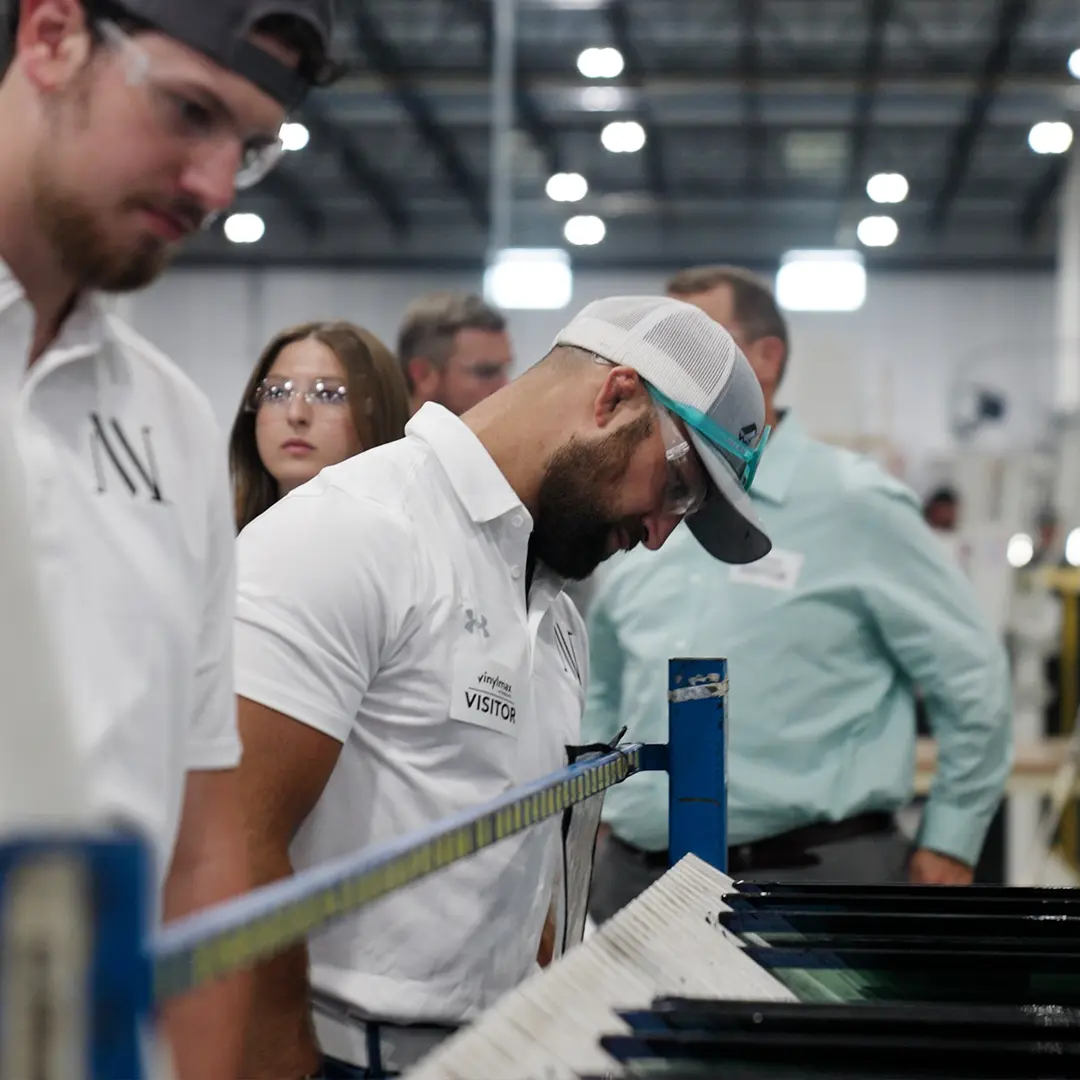
Your windows are manufactured to the exact measurements of your openings. This precision fit is critical for energy performance and long-term durability.

Step 3: Professional Installation
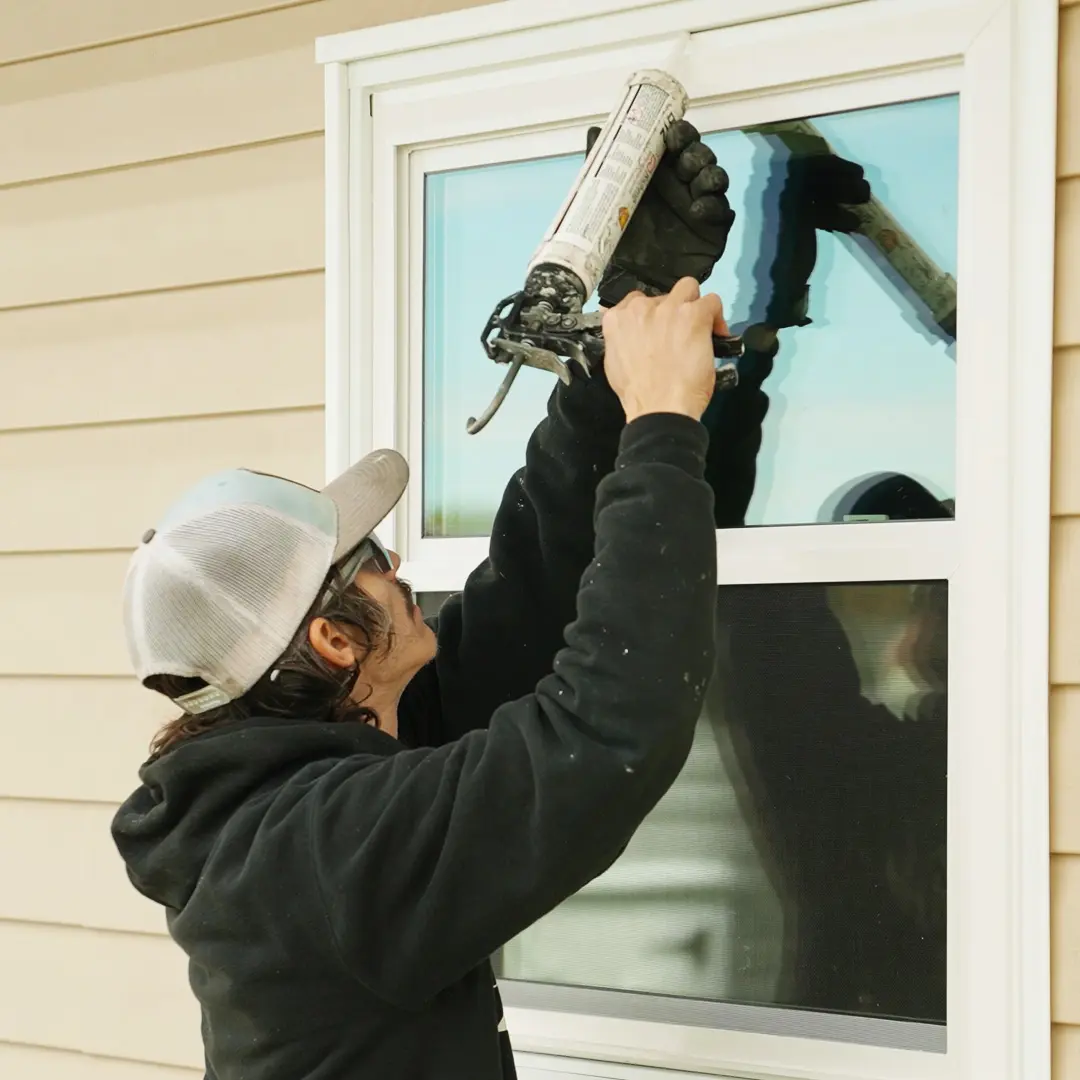
Our licensed installation crews remove your old windows, prepare the opening, and install your new windows with proper flashing, sealing, and insulation. Most full-home installations are completed in one to two days.
Step 4: Clean-Up and Inspection
We haul away all old materials, clean the work area, and walk you through each window to confirm fit, function, and your satisfaction before we leave.
Step 5: Warranty Registration
Your new windows come with both a manufacturer’s product warranty and our installation workmanship warranty. We register your warranty and provide you with full documentation.
Why Window Installation in Michigan Has Never Been More Urgent or More Rewarding
Three separate forces converged in 2025 to make window installation in Michigan both more financially urgent and more financially rewarding than at any previous point. Here is what the data shows.
$211M | Michigan’s Home Energy Rebates (MiHER) program is backed by $211 million in federal Infrastructure Reduction Act funding, making it one of the most generously funded state-level energy efficiency programs in the country. Eligible Michigan homeowners can access up to $34,000 in stacked rebates for comprehensive home improvements that include window installation. Source: Alexandria Home Solutions Michigan Rebate Guide, November 2025 / Michigan.gov/HomeEnergyRebates |
86% | Eighty-six percent of residential energy in Michigan is consumed by heating, cooling, and water heating. The U.S. Department of Energy confirms that inefficient windows are responsible for 25 to 30 percent of that total heating and cooling loss. In Michigan’s eight-month heating season, that loss compounds into one of the largest single controllable energy expenses for homeowners. Source: Alexandria Home Solutions Michigan Report, 2025 / U.S. DOE Building Energy Data Book |
66%+ | Over 66 percent of homeowners in a November 2025 survey of 1,000 people reported saving between $25 and $100 per month on utility bills after installing new windows. Nearly 95 percent said their homes felt noticeably more comfortable after the upgrade. For Michigan homeowners running furnaces for eight months of the year, the savings accumulate significantly faster than in warmer climates. Source: This Old House Windows Survey, November 2025 (n=1,000) |
$16,657 | Replacing vinyl windows adds an average of $16,657 to a Michigan home’s resale value. Wood window installations add an average of $18,764, according to the Journal of Light Construction’s 2025 Cost vs. Value Report. In Michigan’s competitive housing markets in Oakland County, Kent County, and Washtenaw County, window quality is a visible, appraised differentiator between comparable homes. Source: Journal of Light Construction Cost vs. Value Report, 2025 / This Old House Survey, November 2025 |
Adding a typical 10-window MiHER project with 2 exterior doors to the picture, Michigan homeowners can access $4,000 to $6,000 in first-year incentives before a single month of energy bill savings begins. Combined with a payback period of under 10 years on most Michigan installations and a 20-to-40-year product lifespan, this is one of the clearest positive-return home improvement investments available in 2025.
Signs Your Michigan Home Needs Professional Window Installation
Michigan winters make window failure visible faster than in most climates. These are the signals that tell you professional window installation has become a financial and structural necessity rather than a discretionary project.
Cold air felt along the frame, sill, or glass edge with windows fully closed
Air infiltration in a Michigan winter is directly measurable in degrees: rooms near failing windows feel 5 to 10 degrees colder than the rest of the house. Every draft is heat generated by your furnace escaping into the Michigan cold.
Frost forming on the interior glass surface on winter mornings
Interior frost is one of the clearest performance failure indicators available in a cold climate. It means the glass surface is cold enough to freeze interior humidity, which only happens when the window’s thermal resistance has collapsed. This is not a cosmetic issue.
Condensation or foggy haze between the panes of a double pane window
Seal failure in an insulated glass unit eliminates the thermal benefit of the gas-filled cavity. A fogged double pane window is performing like a single pane window for thermal purposes, and it cannot be restored without replacing the glass unit.
Frame deterioration including rot, warping, paint failure, or visible cracks
Michigan’s freeze-thaw cycles are among the most mechanically demanding conditions a window frame faces anywhere. Wood frames that are not perfectly maintained deteriorate rapidly in this climate, and deteriorating frames allow moisture into wall cavities, leading to insulation damage, mold growth, and structural softening.
Rooms near exterior walls that feel perpetually uncomfortable regardless of thermostat settings
Radiant cooling from cold window surfaces creates cold zones that your HVAC system cannot fully compensate for. If your living room or bedroom near an exterior wall never feels as warm as the rest of the house in winter, the windows are the likely cause.
Windows that have become difficult or impossible to open, close, or lock
Operational failure is both a safety hazard and a building code violation in Michigan. The Michigan Residential Code requires functional egress windows in all sleeping rooms. A window that cannot be operated is a life-safety concern.
Unexplained increases in DTE Energy or Consumers Energy heating bills
When your heating bill climbs without a change in behavior, thermostat settings, or the outdoor temperature trend, failing window seals are one of the most likely culprits. A home energy audit from a MiHER-approved contractor can confirm the diagnosis.
Michigan's Climate Demands on Window Performance: What Every Homeowner Needs to Know
Michigan’s climate is not one climate. It is several, and window specifications that work well in Detroit may be insufficient for a home in Marquette or Sault Ste. Marie. Understanding your region’s specific conditions helps you choose the right window for the performance you need.
Southeast Michigan and the Detroit Metro
Detroit and southeastern Michigan experience a continental climate with cold, wet winters and hot, humid summers. January averages in the low to mid-20s Fahrenheit, with frequent lake-effect snow events from Lake Erie and Lake St. Clair. Summers push into the upper 80s and produce significant air conditioning demand. For homes in Wayne, Oakland, Macomb, and Washtenaw Counties, double pane Low-E glass with argon fill in a quality vinyl frame is the performance baseline. Triple pane is a strong investment for north and west-facing openings and for homes with older, under-insulated wall assemblies.
West Michigan and Grand Rapids
The Grand Rapids metro and western Michigan experience Michigan’s most intense lake-effect snow, driven by prevailing southwest winds across Lake Michigan. West Michigan averages 72 inches of annual snowfall, with some communities exceeding 100 inches. The persistent cold and heavy snow load test window frames and sills across a long winter season. Fiberglass or premium multi-chamber vinyl frames are particularly appropriate for west Michigan homes, where dimensional stability through repeated freeze-thaw cycles matters more than in many other markets.
Northern Lower Peninsula and Traverse City Region
Northern Michigan communities including Traverse City, Petoskey, Charlevoix, and Gaylord experience longer and colder winters than the southern Lower Peninsula, with temperatures regularly falling below zero and heating seasons extending into late April. The resort and vacation home market in this region also creates specific demands: homes that may sit unoccupied during the coldest periods need windows that maintain their thermal integrity without active heating support. Triple pane glass with krypton gas fill is the recommendation for primary residences in this region. For seasonal properties, premium double pane Low-E with argon is the minimum.
Upper Peninsula Michigan
The Upper Peninsula faces the most demanding climate conditions in the state. Marquette averages 141 inches of annual snowfall. Temperatures drop below minus 20 degrees Fahrenheit in winter, and the heating season can run from September through May. For UP homeowners, window installation is not about comfort optimization. It is about structural heat retention and minimizing the risk of frozen or burst pipes in exterior walls. Triple pane glass with krypton gas fill, fiberglass frames, and thermally broken spacer systems are the recommended standard for any heated space in the Upper Peninsula.
Window Styles for Michigan Homes: What Virtual View Windows Installs
Michigan’s diverse housing stock, from Detroit’s colonial and craftsman homes to Upper Peninsula log-style construction and Grand Rapids Victorian architecture, requires a full range of window styles. Virtual View Windows installs every style suited to Michigan’s conditions and architecture.
The most popular window style across Michigan’s residential market and for good reason. Both upper and lower sashes operate independently for precise ventilation control, and both tilt inward for easy interior cleaning without ladders, an important feature for two-story Michigan homes. Available in the full range of glass specifications, double hung windows suit Michigan’s colonial, cape, and ranch-style homes and represent the practical backbone of most full-home installation projects.
Hinged at the side and cranked open outward, casement windows compress tightly against the frame when closed. This airtight compression seal makes casement windows one of the most energy-efficient operable window designs available and a particularly strong choice for the west and north-facing sides of Michigan homes where wind-driven infiltration is most intense. Casement windows are also the design of choice for directing prevailing southwest breezes into Michigan homes during summer.
Triple Pane Windows
Three layers of glass with two gas-filled cavities deliver the highest insulation performance available in a residential window. Triple pane units achieve U-factors as low as 0.15, compared to 0.27 for standard Energy Star double pane units. For Michigan homes in northern Lower Peninsula communities, the Upper Peninsula, and any home with heavy north or west exposure in the southern Lower Peninsula, triple pane windows provide insulation performance that is measurably and audibly superior to double pane alternatives. The additional investment is paid back through heating bill savings over a shorter timeline in Michigan than in any warmer climate.
Opening horizontally along a track, sliding windows are a practical choice for wider openings in Michigan basements, kitchens, and contemporary-style homes. Fewer moving parts mean more reliable operation across Michigan’s wide temperature range. For basement windows specifically, sliding windows provide good airflow and are easier to egress than comparable awning or fixed styles.
Hinged at the top and cranked open outward, awning windows allow ventilation during Michigan’s spring and fall rain seasons without allowing water to enter. They are commonly combined with fixed picture windows and are a popular choice for kitchens, bathrooms, and upper-story openings in Michigan homes where ventilation, weather protection, and privacy are all considerations.
Awning and Specialty Windows round out our selection, including geometric shapes, transoms, and custom configurations for unique architectural needs.
Fixed glass panels designed to frame a view and maximize daylight. No moving parts means no operational seal degradation. Michigan homes on the Great Lakes shoreline, in the northern Lower Peninsula, or near the many inland lakes and rivers throughout the state use picture windows to make natural scenery a permanent part of their interior design. Picture windows can be specified in triple pane glass for maximum thermal performance.
Egress Windows
Required by the Michigan Residential Code for all basement bedrooms and below-grade habitable spaces, egress windows must meet minimum opening dimensions and maximum sill height requirements. Virtual View Windows installs egress windows to full compliance with the Michigan Residential Code and applicable local amendments, ensuring that your basement living space is both legally compliant and provides a safe emergency exit.
Window Frame Materials for Michigan: A Complete Comparison
Choosing the right frame material for Michigan’s climate is a decision with consequences across the full 20-to-50-year life of your window installation. Here is how the most common options compare in Michigan’s conditions.
Frame | Energy Perf. | Maintenance | Cost Range | Lifespan | Best For |
Vinyl (multi-chamber) | Very Good | Very Low | $467 to $714 | 20 to 40 yrs | Most Michigan homes |
Fiberglass | Excellent | Low | $700 to $1,500 | 30 to 50 yrs | Great Lakes / high humidity |
Wood | Good | High | $700 to $1,800 | 20 to 30 yrs | Historic / heritage homes |
Wood-clad | Very Good | Medium | $800 to $2,000 | 25 to 40 yrs | Craftsman / period homes |
Aluminum | Moderate | Low | $350 to $700 | 20 to 30 yrs | Commercial / modern style |
For the majority of Michigan homeowners, multi-chamber vinyl frames with double pane Low-E glass and argon fill represent the optimal combination of thermal performance, low maintenance, long service life, and cost-effectiveness. They qualify for ENERGY STAR Northern Zone certification and are compatible with MiHER rebate programs when meeting the required efficiency thresholds. Homeowners in Great Lakes shoreline communities and anywhere in the Upper Peninsula should prioritize fiberglass for its superior moisture resistance and dimensional stability in extreme conditions. Historic homes in preservation districts in Detroit, Ann Arbor, and Grand Rapids may require wood or wood-clad options; confirm local requirements with your municipality before selecting frame material.
On glass specification, all Virtual View Windows installations include Low-E coating as standard. For Michigan’s Northern Zone, Low-E2 coatings optimized for cold climates maximize winter heat retention while managing summer solar gain. Krypton gas fill, while more expensive than argon, offers superior insulating performance in the narrower glass cavities of triple pane units and is the recommended specification for any Michigan home at serious risk of subzero temperatures.
MiHER, Federal Credits, and the Full Michigan Window Installation Incentive Stack for 2025
Michigan homeowners have access to one of the best-funded energy efficiency incentive environments in the country in 2025. Understanding how the programs work individually and how to combine them is the key to maximizing the financial return on your window installation project.
Program | Incentive | Key Eligibility | Key Date / Note |
Federal 25C Tax Credit (IRA) | 30% up to $600/yr windows | ENERGY STAR Most Efficient (QMID required on 2025 tax return) | Through Dec 31, 2025 |
MiHER Home Efficiency Rebates | Up to $34,000 stacked | Must meet 15% energy savings threshold; MiHER-approved contractor required | ~15,000 households; apply early |
MiHER Priority (under 80% AMI) | Up to 100% project coverage | Income-qualified MI homeowners; no credit check required | Rolling; verify at MI.gov/HER |
DTE Energy Rebate | $250 to $1,000 depending on upgrade | DTE service area customers; free energy audit available | Confirm at DTE.com |
Consumers Energy Rebate | Varies by upgrade type | Consumers Energy service territory; audit-first recommended | Confirm at ConsumersEnergy.com |
Michigan Saves Financing | Low-interest loans; below market rate | Energy efficiency improvements including windows; fast approval | Rolling / MichiganSaves.com |
MiHER: Michigan's $211 Million Window Installation Rebate Opportunity
The Michigan Home Energy Rebates program, backed by $211 million in Infrastructure Reduction Act funding, is the largest state-level energy efficiency program Michigan has ever administered. MiHER requires pre-approval before installation begins and has strict contractor requirements: all work must be performed by MiHER-approved contractors listed at Michigan.gov/HomeEnergyRebates. No retroactive rebates are issued.
To qualify, a contractor conducts a mandatory home energy assessment using blower door testing and infrared thermography, then models a required minimum 15 to 20 percent energy savings from the planned improvements. Post-installation inspections verify proper installation before rebate processing begins. For income-qualified households at or below 80 percent of Area Median Income, MiHER provides up to 100 percent project coverage with no credit check required. Funding is limited to approximately 15,000 Michigan households, and slots were filling quickly as of late 2025. Apply early.
Federal 25C Tax Credit: 30% Up to $600 for Windows
The Inflation Reduction Act’s Energy Efficient Home Improvement Credit (25C) allows Michigan homeowners to claim 30 percent of the cost of qualifying ENERGY STAR Most Efficient windows, up to $600 per year for windows, through December 31, 2025. For the 2025 tax year, homeowners must report the Qualified Manufacturer Identification Number (QMID) on their tax return. Virtual View Windows provides the QMID and all required manufacturer certifications for every qualifying installation. The credit is nonrefundable and cannot be carried forward, so unused credit is lost if it exceeds your tax liability.
DTE Energy and Consumers Energy Rebates
DTE Energy customers may access rebates of $250 to $1,000 for qualifying energy efficiency upgrades, with DTE also offering free home energy audits to identify the most cost-effective improvements. Consumers Energy provides similar rebate programs for customers in their service territory. Both utilities offer rebate programs that can be layered with MiHER and the federal 25C credit. Confirm current rebate availability and amounts directly with your utility provider before scheduling installation, as rebate programs are updated periodically.
Michigan Saves Low-Interest Financing
Michigan Saves is a state-chartered nonprofit green bank that provides below-market-rate financing for energy efficiency improvements, including window installation. For Michigan homeowners who want to proceed with a project before MiHER slot availability or federal credit confirmation, Michigan Saves financing covers the gap at rates below what most home equity products offer. Their approval process is fast and does not require a home appraisal.
Stacking the Michigan Incentive Programs: A 2025 Real-World Example
For a Michigan homeowner installing 10 qualifying windows in 2025 using MiHER-approved and ENERGY STAR Most Efficient certified products: the MiHER rebate covers a significant share of project cost based on income level; the federal 25C credit provides up to $600; DTE or Consumers Energy rebates add further savings; and Michigan Saves financing covers any remainder below market rate. A typical 10-window project nets $4,000 to $6,000 in first-year incentives before energy savings begin. Annual heating bill savings of $125 to $340 accumulate every subsequent year, reaching $1,250 to $3,400 over ten years on top of the resale value increase of $16,657 or more.
Window Installation Cost in Michigan: Current 2025 Data
Understanding realistic Michigan window installation costs is the foundation of smart project planning. Here is what current 2025 data shows for Michigan-specific pricing.
Window Type / Scenario | Cost Per Window (Installed) | Total Project Range |
Standard vinyl double hung | $467 to $714 installed | $4,670 to $7,140 (10 units) |
Casement (vinyl, Low-E) | $600 to $950 installed | $6,000 to $9,500 (10 units) |
Triple pane (high-efficiency) | $750 to $1,400 installed | $7,500 to $14,000 (10 units) |
Bay or bow windows | $1,200 to $5,500+ installed | Per unit, size dependent |
Basement windows (Michigan avg.) | $687 to $937 installed | Foundation/waterproof premium |
Michigan statewide average | $600 to $960 per window | $3,000 to $10,000+ full project |
Premium brands (Andersen, etc.) | $690 to $740+ per window | Upper range / full-frame installs |
The national average for window installation in 2025 is $600 to $960 per window including labor, based on Homewyse April 2025 data. For Michigan specifically, the standard vinyl double pane installation falls within the $467 to $714 range per window, providing a realistic baseline for the most common residential installation type. Basement windows in Michigan carry a modest premium due to foundation and waterproofing considerations, averaging $687 to $937 per opening.
Michigan homeowners have a choice between two primary installation methods, each with cost implications. An insert or pocket replacement installs a new window unit into the existing frame, saving time and cost when the existing frame is structurally sound and properly sized. A full-frame replacement removes the entire existing assembly, including the frame, sill, and surrounding trim, before installing the new unit. Full-frame is more expensive but provides a fresh start for thermal performance and is the right choice for frames that are deteriorated, rotted, or mis-sized for the intended new window.
Labor costs in Michigan run from $50 to $200 per hour depending on market, contractor experience, and project complexity. The $600 to $960 per window total installed cost reflects the national average of hardware accounting for approximately 55 percent of total installed cost, with labor and soft costs making up the remaining 45 percent.
Most Michigan homeowners pay between $232 and $740 per window across popular brand categories, based on the November 2025 survey of 1,000 homeowners. Premium brands like Andersen reach $690 to $740 per window, while value-oriented options from Milgard and Jeld-Wen come in at $232 and $322 respectively. Brand selection should be evaluated alongside warranty, ENERGY STAR certification, and NFRC performance ratings, not price alone.
Virtual View Windows provides transparent, itemized estimates with no hidden fees. We offer financing options in partnership with Michigan Saves to help Michigan homeowners complete their project without full upfront cost.
Why Michigan Homeowners Choose Virtual View Windows
When searching for window installation near me across Michigan, homeowners have a long list of choices. Here is what consistently distinguishes Virtual View Windows in the Michigan market.
We are built around Michigan’s specific conditions. Our product recommendations, glass specifications, and installation practices account for the differences between a Detroit suburb, a Grand Rapids craftsman home, a northern Lower Peninsula vacation property, and a year-round Upper Peninsula residence. We do not apply a national cookie-cutter template. We match every recommendation to your home’s specific location, exposure, and architecture.
We are MiHER-approved, which means we can complete the full MiHER process from energy assessment coordination to post-installation inspection, giving you access to Michigan’s most significant window installation rebate program without having to manage the paperwork yourself.
Our installation crews are licensed in Michigan and follow a documented installation protocol that treats proper flashing, air sealing, insulation backer, and thermal bridging prevention as non-negotiable steps. Cutting corners on installation is where energy performance is lost and where long-term warranty claims originate. We do not cut corners.
We carry ENERGY STAR Most Efficient certified windows for the Northern Zone with verified NFRC ratings and QMID documentation ready for your tax filing. We supply everything you need to claim every dollar of incentive your project qualifies for.
Our workmanship warranty backs every installation we complete. If an issue arises, we come back and address it. That is the standard we hold ourselves to with every Michigan homeowner we serve.
Whether you are in Detroit, Grand Rapids, Ann Arbor, Lansing, Flint, Kalamazoo, Traverse City, Marquette, Sault Ste. Marie, or anywhere across Michigan’s Lower or Upper Peninsula, Virtual View Windows brings certified window services near you with the regional expertise, professional credentials, and accountability your home deserves.
Frequently Asked Questions About Window Installation in Michigan
How much does window installation cost in Michigan?
Window installation in Michigan typically costs $600 to $960 per window including labor, based on Homewyse April 2025 national data. Standard vinyl double pane installations fall in the $467 to $714 range per window. Basement windows in Michigan average $687 to $937 per opening due to foundation and waterproofing requirements. Full-home projects for 10 to 15 windows typically range from $3,000 to $10,000 or more depending on window type, frame material, and project scope. Virtual View Windows provides free, itemized estimates for Michigan homeowners so your full project cost is clear before any commitment.
What is the MiHER rebate program and how do I qualify?
Michigan Home Energy Rebates (MiHER) is backed by $211 million in federal Infrastructure Reduction Act funding and provides rebates up to $34,000 for qualifying home energy improvements including window installation. To qualify, you must use a MiHER-approved contractor listed at Michigan.gov/HomeEnergyRebates, complete a mandatory home energy assessment using blower door testing, and demonstrate a projected 15 to 20 percent energy savings from the planned improvements. Income-qualified households at or below 80 percent of Area Median Income may qualify for up to 100 percent project coverage with no credit check. Funding is limited to approximately 15,000 Michigan households. Apply early as slots are filling. Virtual View Windows is a MiHER-approved contractor and manages the documentation process for every eligible client.
What type of windows are best for Michigan winters?
For Michigan’s Northern Zone, ENERGY STAR Most Efficient windows with a U-factor of 0.20 or lower are the recommended specification. Multi-chamber vinyl or fiberglass frames with triple pane insulated glass, Low-E2 coating, and krypton gas fill provide the highest thermal performance for northern and Upper Peninsula locations. For southern Lower Peninsula homes, double pane Low-E with argon fill in a quality vinyl frame meets the performance threshold for most applications. Casement windows provide the most airtight compression seal among operable styles and are particularly effective for wind-exposed west and north-facing openings. Virtual View Windows assesses each opening’s specific exposure and recommends the right specification for your home and region.
Can I combine the MiHER rebate with the federal window tax credit?
Yes, but with important timing constraints. The federal 25C Energy Efficient Home Improvement Credit allows Michigan homeowners to claim 30 percent of qualifying window installation costs, up to $600 per year, but only for installations completed by December 31, 2025. For 2025 installations, you must report the Qualified Manufacturer Identification Number (QMID) on your federal tax return. MiHER rebates can be combined with the 25C credit, and DTE or Consumers Energy utility rebates can be added on top. Michigan Saves financing can cover any project balance. Virtual View Windows provides all required NFRC labels, QMID documentation, and installation records to support all applications.
Do I need a permit for window installation in Michigan?
Permit requirements in Michigan vary by municipality. Like-for-like window replacements in the same opening typically require only a building permit application in most Michigan communities, with costs determined by local fee schedules. Projects that enlarge an opening, create a new opening, or install egress windows in basement bedrooms require a full building permit review. The Michigan Residential Code requires egress windows in all basement sleeping rooms meeting minimum opening dimensions and maximum sill height. Virtual View Windows researches all local permit requirements and files required permits for every Michigan project as part of our full-service installation process.
Take Control of Your Michigan Home's Energy Performance: Your Next Steps

Get Your Free Estimate Today | Call or Request Online | Serving All of Michigan
Find Window Services Near You Across Michigan
Virtual View Windows provides certified window installation services throughout Michigan, covering both the Lower and Upper Peninsulas. Our service area includes communities across the state.
- Southeast Michigan: Detroit, Dearborn, Livonia, Troy, Sterling Heights, Warren, Southfield, Pontiac, and Ann Arbor
- West Michigan: Grand Rapids, Kalamazoo, Muskegon, Holland, Grand Haven, Battle Creek, and Benton Harbor
- Mid-Michigan and Capital Region: Lansing, East Lansing, Flint, Saginaw, Bay City, and Midland
- Northern Lower Peninsula: Traverse City, Petoskey, Charlevoix, Gaylord, Alpena, and Cadillac
- Upper Peninsula: Marquette, Sault Ste. Marie, Escanaba, Iron Mountain, Houghton, and Copper Harbor
- Southeast Shore and Thumb: Port Huron, Mount Clemens, Monroe, and the Lake Huron shoreline communities
If your community is not listed, contact us directly. We regularly expand our Michigan service coverage to meet homeowner demand and work with properties throughout the state, including lakefront, rural, historic district, and seasonal properties with specialized installation requirements.
Wherever you are in Michigan, searching for window installation near me should connect you with a team that knows Great Lakes winters, respects the character of Michigan’s diverse housing stock, installs to current code, and stands behind the work. That is what Virtual View Windows delivers to every Michigan homeowner.