
Virtual View Windows
Window Installation Texas
Window Installation Texas: South-Central Specs, Coastal Windstorm Compliance, and Installing Windows in the Lone Star State
Texas does not have one window problem. It has two. The first is the state’s cooling-dominated climate, which stretches across all five major metro regions from Houston to Dallas to Austin to San Antonio to El Paso and makes solar heat gain through inadequately specified glass one of the primary drivers of household energy costs from April through October. The second problem is specific to coastal Texas, where the Texas Department of Insurance requires that window installations in the Seaward Zone meet windstorm certification standards that standard residential glass cannot satisfy, and where the Texas Windstorm Insurance Association uses building code compliance to set windstorm insurance premiums that directly affect every homeowner along the Gulf Coast.
These two challenges overlap on the Gulf Coast, where Houston, Galveston, League City, and Corpus Christi homeowners need windows that simultaneously achieve the solar control specifications of the South-Central ENERGY STAR climate zone and the impact resistance and pressure ratings demanded by TDI for windstorm insurance eligibility. Everywhere else in Texas, the energy specification challenge stands alone, and it is substantial. ENERGY STAR estimates that choosing windows specifically rated for the South-Central zone can save Texas homeowners an average of 12 percent on energy bills compared to standard code-compliant products that do not meet the zone-specific requirements.
Virtual View Windows installs windows for Texas homeowners across the entire state, from Houston and the Gulf Coast to Dallas-Fort Worth, Austin, San Antonio, and West Texas. Whether your project involves energy-efficient South-Central zone windows for a Dallas ranch home, impact-resistant TDI-compliant installations for a Galveston property, Austin Energy rebate-qualifying Low-E windows in central Austin, or premium fiberglass windows for a Hill Country retreat, this guide covers what window installation costs in Texas in 2025-2026, what specifications matter, and what incentives are available. If you have been searching for window installation near me in the Lone Star State, this is your Texas-specific resource.
The Virtual View Windows Texas Installation Process
Every Texas window installation project with Virtual View Windows follows a six-step process built for South-Central zone performance requirements, Gulf Coast TDI compliance, Austin Energy rebate documentation, clay soil full-frame assessment, and Texas residential building code compliance.

Step 1: Free In-Home Assessment
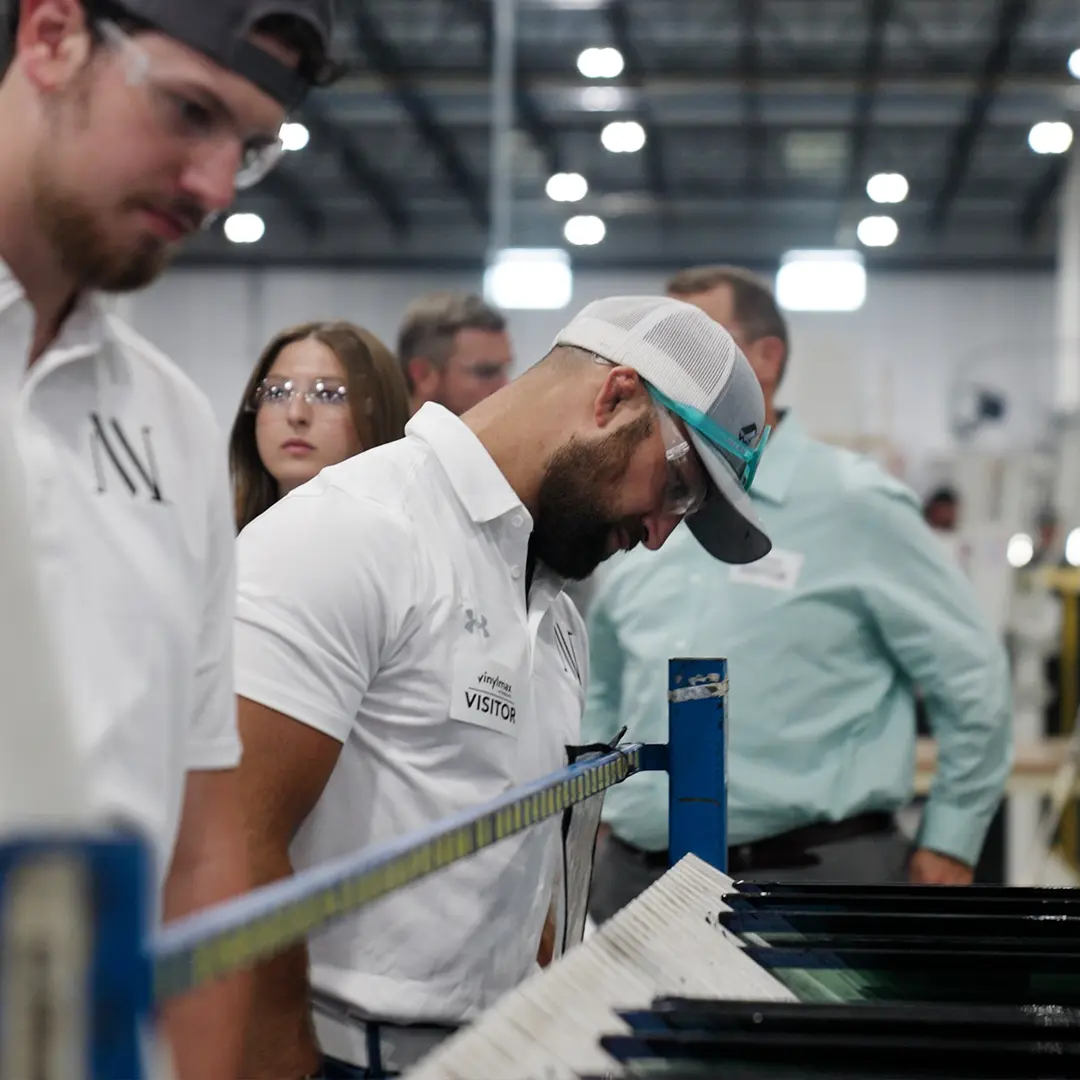
A certified Virtual View Windows consultant visits your Texas home, measures every opening precisely, evaluates clay soil settling impact on opening plumb and square, assesses existing frame condition and current glass SHGC performance, identifies your ENERGY STAR climate sub-zone and each opening's solar orientation, and reviews product options matching your architecture, budget, and zone requirements. For coastal Seaward Zone properties, we identify TDI compliance requirements and confirm wind-load ratings needed for your specific coastal county. No cost, no pressure, no obligation.
Step 2: Incentive and Rebate Setup
We identify every incentive available for your project: Austin Energy rebate eligibility and submission as a participating contractor, Oncor window rebate availability verification in DFW territory, TWIA windstorm insurance discount documentation requirements for coastal projects, and QMID documentation for qualifying 2025 federal 25C credit claims. For Austin projects, we prepare all Austin Energy rebate application documentation as a participating contractor.

Step 3: Full-Frame or Retrofit Assessment and Product Specification
We assess each opening for clay soil settling that requires full-frame installation versus retrofit insert. We specify windows with SHGC 0.25 or lower and ENERGY STAR South-Central zone certification for all inland Texas projects, and TDI-approved impact-resistant products from the TDI approved products list for Seaward Zone coastal projects. All specifications are confirmed in writing in the project estimate and installation contract.
Step 4: Permit Research and TDI Engineering Documentation
We research permit requirements for your specific Texas municipality, file all required permits before installation begins, and for coastal Seaward Zone projects, prepare the engineering letters, product approval numbers, and TDI certification documentation required for TWIA windstorm insurance eligibility. Building permits are required in most Texas municipalities for window work. We handle the full permit process.

Step 5: Licensed Texas Installation
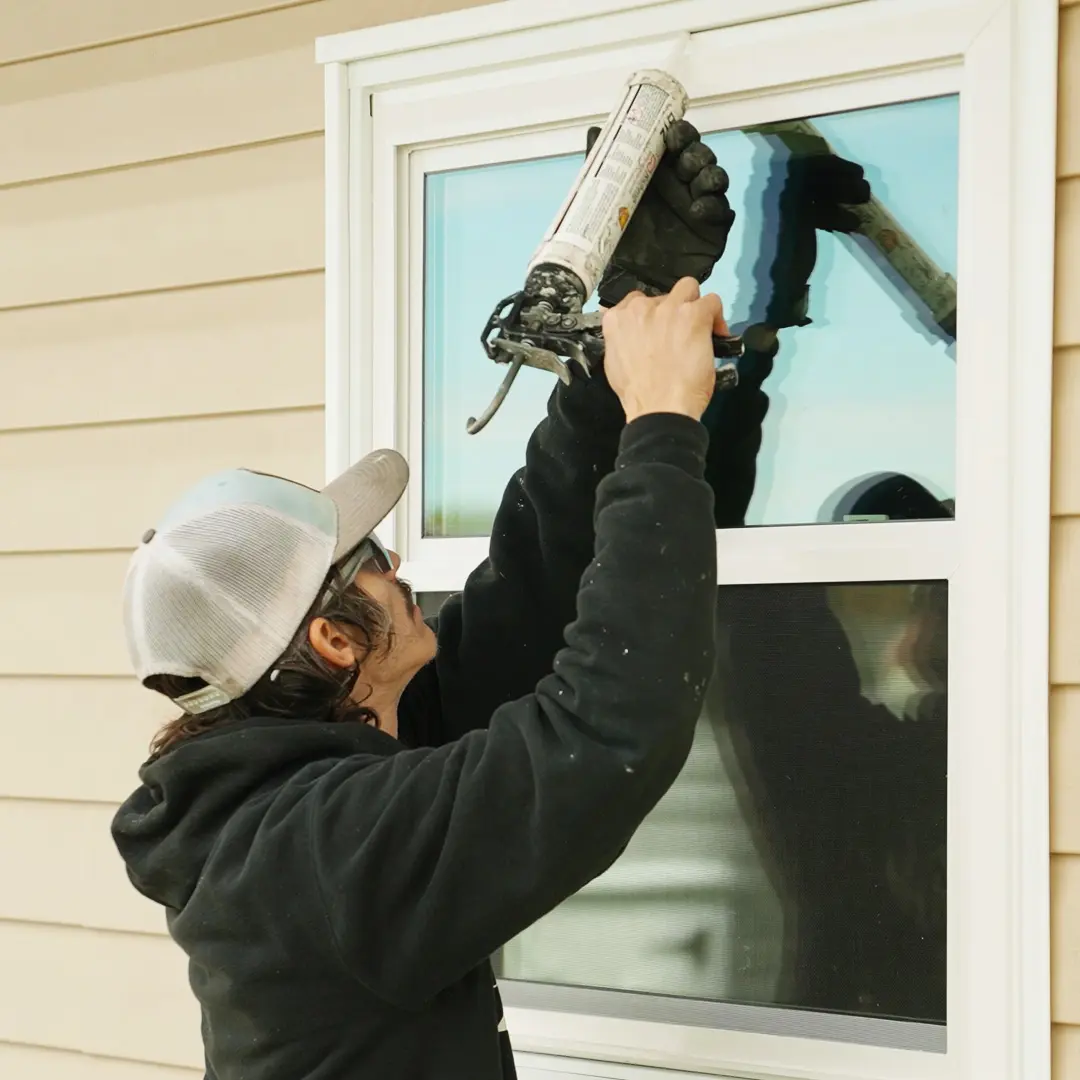
Our licensed Texas installation crews complete every replacement to manufacturer specification and Texas residential building code standards. Full-frame installations include complete removal of existing frame assembly, assessment and correction of rough opening condition, new frame installation with appropriate structural fasteners, and perimeter air-sealing and weatherproofing. Coastal impact window installations follow TDI engineering specifications for fastener type, spacing, and anchoring.
Four Data Points That Define Window Installation in Texas in 2025-2026
12% | ENERGY STAR estimates that choosing windows specifically rated for the South-Central climate zone can save Texas homeowners an average of 12 percent on energy bills compared to standard code-compliant products that are not zone-optimized. In a state where residential cooling season runs six to seven months and where Austin electricity averages 13.7 cents per kilowatt-hour, this targeted saving is meaningful on an annual basis. Across the 20-to-30-year lifetime of quality replacement windows, 12 percent annual energy savings compounds to a significant cumulative reduction in total household energy spend. Source: ENERGY STAR Residential Windows Climate Zone Program Data / Universal Windows Direct of Central Texas, May 2025 |
Up to 26% | Texas homeowners in coastal counties who install impact-resistant windows meeting wind-resistant code standards qualify for windstorm insurance discounts of up to 26 percent through TWIA and private Texas windstorm insurers, according to 2025 windstorm insurance analysis. With TWIA policies averaging $2,387 per year as of March 2025 in coastal Texas counties, a 26 percent discount represents approximately $620 per year in direct premium savings. Over a 10-to-15 year period, these insurance savings contribute meaningfully to the return on investment calculation for Gulf Coast homeowners weighing impact window installation costs. Source: Dick Law Firm Texas Windstorm Insurance Analysis, July 2025 / TDI Building Code Windstorm Premium Discount Data |
70 to 80% | Texas homeowners recoup 70 to 80 percent of the cost of new window installation when selling their home, according to national housing data cited by Maverick Windows in their November 2025 Texas ROI analysis. In Texas’s fastest-growing markets of Dallas-Fort Worth and Austin, that return can be even higher. Appraisers factor in energy efficiency upgrades that improve thermal performance and appearance. For a $7,500 full-home window project, 75 percent recovery at sale represents $5,625 in recaptured value, in addition to 20-plus years of energy savings, comfort improvements, and UV protection for interior furnishings accumulated before the sale. Source: Maverick Windows Texas Home Value Analysis, November 2025 / National Housing Data ROI Benchmarks |
$4,982 | The statewide Texas average for a complete window installation project is $4,982, according to Homeyou data from tens of thousands of completed projects across Austin and Houston. In Houston, the market range runs $337 to $450 per window based on 20,043 completed projects valid through February 2026. In Austin, the comparable range is $326 to $434 per window. Dallas-Fort Worth and San Antonio offer similarly competitive pricing that tracks closely with the statewide average. Renovation costs across Texas increased 8 to 15 percent in 2025 compared to previous years due to limited contractor availability and high demand in the state’s major growth markets. Source: Homeyou Houston 20,043 Projects Feb 2026 / Homeyou Austin Cost Data Dec 2025 / Texas Estimate Construction Trends 2025 |
Texas is the second-largest state by area and the second-most-populous in the country. Its window installation market reflects both the diversity of its geography, which spans coastal, subtropical, semi-arid, and arid climate zones, and the sheer scale of its residential construction activity, which has produced one of the highest volumes of contractor competition and project data of any state in the country.
Window Styles Virtual View Windows Installs Across Texas
Texas’s residential architecture spans every style in American building history, from Galveston’s restored Victorian properties to Dallas’s ranch-style suburban stock, from Austin’s mid-century ranch neighborhoods to Houston’s contemporary master-planned communities. Every architectural style demands specific window types matched to the opening shapes, ventilation needs, and solar orientation that define each Texas home’s energy performance.
The most common window style in Texas’s residential stock, present in virtually every housing era from 1920s Craftsman bungalows to 1990s suburban construction. Double hung windows provide independent upper and lower sash operation for ventilation and tilt inward for interior cleaning. In Texas, where exterior ladder access to upper-floor windows may be impractical during the summer heat, interior-cleaning tilt-in functionality is a standard feature expectation. When specified with ENERGY STAR South-Central zone glass packages, SHGC 0.25 or lower, and argon-filled Low-E double pane, double hung windows deliver the solar control performance Texas homes need in a style that suits virtually every TX architectural type.
Hinged at the side with an outward-opening crank, casement windows provide a compression seal against the frame when closed that is tighter than the weatherstrip contact of a double hung. In Texas, where air conditioning runs continuously for months at a time, the air-sealing performance of a closed casement window reduces cooling energy loss at the frame perimeter more effectively than a standard double hung weatherstrip. Casement windows are particularly well suited to modern DFW suburban construction and contemporary Austin builds, where clean horizontal profiles and unobstructed views are architectural priorities. They are also the recommended style for rooms with prevailing breeze exposure where capturing natural ventilation during spring and fall transitional seasons is part of the comfort strategy.
Impact-Resistant Windows (Gulf Coast)
Mandatory for new window installations in Texas’s coastal Seaward Zone under TDI regulations, impact-resistant windows use laminated glass construction in which two glass layers are bonded to a polyvinyl butyral (PVB) interlayer. The laminated assembly does not shatter on impact; it fractures but remains in place, preventing the catastrophic pressure equalization that occurs when a standard window breaks during a hurricane. Impact-resistant frames, typically heavy-duty aluminum or reinforced vinyl, use structural fasteners anchored into wall studs rather than the standard shimmed installation used for interior-climate applications. Mr. Windows Houston identifies that insurance companies offer 15 to 30 percent discounts on wind and hail coverage for homes with correctly installed impact windows. Virtual View Windows installs TDI-approved impact-resistant windows in the Gulf Coast Seaward Zone with full permit, engineering letter, and TWIA documentation support.
Sliding windows operate horizontally on tracks and are a common choice in Texas ranch and contemporary suburban homes where the horizontal architectural lines suit the window profile. They operate without cranks, making them accessible for all homeowners, and work well in rooms where depth clearance for an outward-opening casement is limited. When specified with South-Central zone Low-E glass packages and multi-chamber vinyl or fiberglass frames, sliding windows provide a practical and cost-effective window installation option for Texas homes where double hung or casement styles do not fit the space.
Projecting outward from the exterior wall, bay and bow windows add interior space and architectural presence. They are popular in Texas’s craftsman bungalows, 1970s and 1980s ranch homes across Houston and Dallas, and in newer suburban construction where the projection adds a distinctive curb-appeal element to standard residential facades. In Galveston’s Victorian historic district, bay windows are a period-defining architectural feature. When bay and bow windows are installed in the coastal Seaward Zone, all glass panels must meet TDI impact-resistant standards. Inland, South-Central zone glass packages with SHGC 0.25 or lower and vinyl or fiberglass frames provide the energy performance that Texas bay and bow installations require.
Fixed glass panels that frame Texas views and maximize natural light. In Hill Country homes near Boerne, Kerrville, and Fredericksburg, picture windows frame the oak and limestone panoramas that define the region. In DFW’s newer estate homes in Southlake and Colleyville, large fixed glass areas are a signature design element. In coastal properties in Galveston and Corpus Christi, picture windows in the Seaward Zone must be impact-resistant regardless of size. When specified with spectrally selective glass, which transmits high visible light while blocking a greater fraction of solar infrared radiation than standard Low-E, picture windows in Texas can maximize natural light while minimizing the solar heat gain that large fixed glass areas would otherwise contribute to the AC load.
Required by Texas’s residential building code for below-grade bedrooms and habitable spaces, egress windows must meet minimum opening dimensions and maximum sill height standards for emergency exit use. In Texas’s hill country suburban market and in Houston’s energy-intensive basement conversion projects, egress window installation is a component of renovation work that requires permits and inspections in most municipalities. In the Seaward Zone, even egress windows must meet TDI impact-resistant standards if they are in the required coastal building code area. Virtual View Windows installs egress windows to full Texas residential building code compliance, including TDI requirements where applicable.
Signs Your Texas Home Needs Professional Window Installation Now
Texas’s climate and construction conditions make certain window performance failures more financially urgent than in more temperate states. These seven signals indicate that searching for window installation near me in Texas has become a priority rather than a future project.
Rooms adjacent to south, east, or west-facing windows feel hotter than the rest of the house in summer
Solar heat gain through under-specified or aging glass is the most direct physical symptom of window performance failure in a Texas home. When a room with large south-facing windows in an Austin ranch or a Houston suburban home is consistently warmer than adjacent rooms on a summer afternoon, the window glass is the primary heat source loading your AC system. This is a glass specification problem, not an AC capacity problem.
AC runs longer, more frequently, or cannot maintain the thermostat setpoint during Texas summer months
If your HVAC system has been confirmed to be functioning correctly but struggles to maintain comfort during the peak summer months, solar heat gain through aging single-pane or early double-pane windows with no Low-E coating is one of the most common structural contributors. Texas’s six-to-seven-month cooling season means every week of AC inefficiency attributable to poor window performance has a measurable monthly cost.
Fog, haze, or condensation between the panes of a double-pane window
Inter-pane seal failure eliminates the insulating gas fill and degrades the Low-E coating. A fogged double-pane window in a Texas home performs at single-pane levels: no solar control, no Low-E reflection, no argon gas insulation. In Texas’s summer climate, a fogged window is an active solar heater in every room where one is installed.
Visible warping, frame separation, or operational binding in window frames
Texas’s clay soil foundation cycling creates frame openings that shift seasonally, gradually binding wood frames and creating gaps in the seal between frame and rough opening. Aluminum frames in older Texas homes that have experienced decades of thermal cycling begin to separate at the corner joints and pull away from the rough opening perimeter. Both conditions produce air infiltration pathways that defeat energy performance.
Your home is in a coastal county and windows predate current TDI standards
Texas homeowners in the Seaward Zone with windows installed before current TDI windstorm standards were adopted may be living with glass that does not qualify the home for TWIA windstorm coverage, or that qualifies at a reduced-discount rate. An assessment of existing window TDI compliance in coastal Texas homes is a direct financial risk management action, not just a comfort upgrade.
Energy bills higher than neighboring comparable homes or higher than prior years without documented rate increases
The U.S. Department of Energy estimates that 25 to 30 percent of home heating and cooling energy escapes through windows. In Texas, where cooling dominates the energy budget for most of the year, aging windows that exceed the South-Central zone SHGC target are continuously contributing solar heat that your AC system pays to remove. The monthly cost of this inefficiency grows with every energy rate increase.
Noticeable air infiltration, drafts, or outdoor noise penetrating through window frames
Air infiltration through weatherstripping failures or frame seal deterioration creates both comfort problems and energy costs. In Houston’s hurricane corridor, air infiltration through non-TDI-compliant frames is also a structural risk during storm events. Noise infiltration from Texas highways, flight corridors, and urban environments indicates that the acoustic performance of existing windows has degraded, which correlates with loss of thermal performance as well.
Texas's Dual Window Challenge: South-Central Zone Efficiency and Gulf Coast Storm Compliance
Understanding why Texas is different from every other state in this series starts with geography. The state spans more than 268,000 square miles, three distinct ENERGY STAR climate sub-zones, a Gulf Coast exposure that rivals Florida in hurricane risk, clay-rich soils that shift with seasonal moisture cycles, renovation cost increases of 8 to 15 percent compared to previous years per Texas Estimate’s 2025 construction analysis, and a deregulated electricity market that makes utility rebates more difficult to navigate than in states with single regulated utilities.
Texas Clay Soil: The Third Variable Most Contractors Do Not Mention
Texas’s expansive clay soil is one of the most consequential and least-discussed factors in window installation cost across the state. Clay soil expands significantly when wet and contracts when dry, creating seasonal foundation movement that shifts the structural openings around windows out of plumb and square over time. Fixurge’s 2026 Texas window cost guide identifies foundation settling from clay soil as one of the “Texas-specific complications” that make phone estimates unreliable and that justify full-frame window installation in many older Texas homes where insert (retrofit) replacement would leave gaps at the shifted perimeter. Full-frame installation, which removes the entire existing window including the surrounding frame before installing the new unit, costs $100 to $200 more per window than retrofit insert installation, but it is the technically correct approach when foundation movement has distorted the original opening. Virtual View Windows assesses every window opening for clay soil settling during the free in-home estimate and recommends the appropriate installation method for each specific opening.
Challenge Two: TDI Windstorm Compliance on the Gulf Coast
Texas homeowners in the 14 coastal counties designated as the Seaward Zone face a second layer of window specification requirements that has no equivalent in any inland Texas market. The Texas Department of Insurance oversees building standards for windstorm-prone areas and requires that window installations in these counties use TDI-approved impact-resistant products that meet testing standards for large and small missile impact, structural pressure performance, and continuous wind load. The TDI maintains an approved products list at tdi.texas.gov/wind. Installing non-compliant windows in the Seaward Zone creates a specific financial consequence: the home may not qualify for windstorm coverage through the Texas Windstorm Insurance Association (TWIA), which is often the only windstorm insurer available in coastal counties. Homes certified under wind-resistant codes qualify for windstorm insurance premium discounts of up to 26 percent off, according to 2025 windstorm insurance analysis from Dick Law Firm. With TWIA policies averaging around $2,387 annually as of March 2025, a 26 percent discount represents meaningful long-term savings that help offset the higher per-window cost of impact-resistant products.
Challenge One: South-Central Zone Solar Heat Gain Across All of Texas
All of Texas falls within ENERGY STAR’s South-Central or Southern climate zones. The South-Central zone specification requires a Solar Heat Gain Coefficient (SHGC) of 0.25 or lower for basic ENERGY STAR certification. SHGC measures what fraction of solar radiation passes through the window glass into the home. Every 0.05 of SHGC above the South-Central target adds measurable solar heat load to your AC system across Texas’s six-to-seven-month cooling season. Choosing windows specifically rated for the South-Central zone can save Texas homeowners an average of 12 percent on energy bills compared to standard code-compliant products not optimized for the zone, according to ENERGY STAR program data. With Austin electricity rates averaging 13.7 cents per kilowatt-hour, the monthly value of that 12 percent reduction compounds across every cooling season for the 20-to-30 year life of quality windows.
Window Frame Materials for Texas: Heat Stability and Storm Performance in a State That Demands Both
Texas’s window frame material selection is shaped by a combination of sustained summer heat, high humidity in the eastern half of the state, clay soil foundation cycling, and in coastal counties, the additional requirement for storm-performance structural integrity. The right material for a Galveston Victorian is not the same as the right material for a Plano ranch or an El Paso stucco.
Frame Material | Heat Resist. | Energy Perf. | Lifespan | Texas-Specific Notes |
Vinyl (multi-chamber) | Very Good | Very Good | 20 to 40 yrs | Best TX value; resists heat; SHGC 0.25 avail. |
Fiberglass | Excellent | Excellent | 30 to 50 yrs | Resists warping in extreme TX heat; top pick |
Impact-resistant vinyl | Excellent | Very Good | 20 to 35 yrs | Coastal TX; TDI-approved; storm + SHGC combo |
Impact-resistant aluminum | Very Good | Moderate | 25 to 35 yrs | Coastal TX; heavy-duty frame; not ideal inland |
Wood (exterior-sealed) | Moderate | Good | 15 to 25 yrs | High maint. in TX humidity; historic districts |
Standard aluminum (single-pane) | Poor | Poor | 20 yrs | Worst choice for TX summer heat; avoid |
Composite | Very Good | Excellent | 30 to 50 yrs | Premium inland TX option; heat-stable |
Fiberglass is the premium inland Texas recommendation for any homeowner whose priority is long-term performance. Fiberglass frames maintain their dimensional stability across Texas’s full seasonal temperature range, from summer highs that can exceed 110 degrees in West Texas to cold fronts that periodically bring freezing temperatures as far south as Houston and San Antonio. They resist warping, do not expand and contract as dramatically as vinyl under Texas’s extreme temperature swings, and do not rot in the coastal humidity that challenges wood frames east of Interstate 35.
Multi-chamber vinyl is the best-value choice for the majority of Texas homeowners and performs well in South-Central zone conditions when properly specified with SHGC 0.25 or lower glass packages. The critical caveat is “multi-chamber”: single-wall vinyl, which lacks the internal chambers that provide thermal break performance, is insufficient for Texas’s extreme summer heat and should not be accepted on any Texas installation. Aluminum single-pane windows, still present in many Texas homes built between 1950 and 1985, represent the most energy-counterproductive window in any Texas home and are the highest-priority replacement candidates statewide.
For Houston coastal installations, the frame material choice is shaped by TDI requirements as much as by energy specifications. Heavy-duty aluminum impact frames are the standard for TDI-compliant Seaward Zone installation because of their structural rigidity under the fastener loads required for hurricane-rated installation. Impact-resistant vinyl frames are available and TDI-compliant for lower-wind-speed coastal exposures. Virtual View Windows selects the appropriate coastal frame based on the specific location, wind exposure, and TDI-approved product specifications for each coastal project.
Texas's Five Regions: Why One Window Specification Does Not Work Across the Lone Star State
Texas runs 773 miles from east to west and 790 miles from north to south. It crosses three ENERGY STAR climate zones, two completely different windstorm risk environments, and five distinct residential market conditions. The window specification that is correct for a Galveston Victorian facing Hurricane Alley is different from the specification for a Plano contemporary built in 2005 or an El Paso adobe-influenced home in a hot-dry desert climate.
TX Region | Climate Character | Housing Stock | Window Specification Priority |
Houston Metro / Gulf Coast | South-Central Zone 2A/3A; extreme heat + high humidity; hurricane risk | Post-war ranch, brick bungalows, suburban 1970s-2000s; Galveston historic; Woodlands and Katy newer construction | SHGC 0.23 or lower; TDI impact-resistant for Seaward Zone coastal counties; U-factor 0.30 or lower; clay soil full-frame protocol |
Dallas-Fort Worth Metro | Zone 2A/3A border; extreme summer heat; moderate winters; hail risk | Massive suburban build-out 1990s-2020s; Ranch, craftsman, contemporary; North Dallas luxury; Fort Worth traditional | SHGC 0.25 or lower (South-Central); vinyl or fiberglass; U-factor 0.30 or lower; clay soil full-frame protocol; hail-rated glass recommended |
Austin Metro / Central TX | Zone 2A; intense summer heat; mild winters; high growth area | 1960s ranch stock (Allandale, Hyde Park) with high custom-solution premium; newer Georgetown and Round Rock suburban | SHGC 0.25 or lower; Austin Energy rebate (SHGC 0.25, Low-E, ENERGY STAR); Austin electricity avg 13.7 cents/kWh; older homes 15-30% cost premium |
San Antonio / South TX | Zone 2A/3A; hottest TX sub-zone; very long cooling season; low humidity vs Houston | Mid-century military-adjacent housing; suburban Bexar County; Hill Country newer builds | SHGC 0.23 or lower; CPS Energy territory; vinyl strongly preferred; fiberglass for premium builds; longest TX cooling season |
West TX / El Paso | Zone 2B (hot-dry); very hot summers but dry; cold winter nights | Mix of 1950s-1970s stucco, adobe-influenced, newer suburban El Paso | SHGC 0.25 or lower; arid climate means less humidity damage than East TX; U-factor 0.30 or lower; El Paso Electric rebate program |
Houston Metro and the Gulf Coast Seaward Zone
The Houston metro is the largest window installation market in Texas, anchored by the city’s 2.3 million residents and the surrounding Bayou City suburbs of Sugar Land, Pearland, League City, Katy, Cypress, and the Woodlands. Houston sits in ENERGY STAR Zone 2A, the most aggressively cooling-dominated classification in the continental United States outside of Florida, where summer heat and extreme humidity make SHGC the dominant performance specification from April through October. The Homeyou data from 20,043 completed Houston window installation projects, valid through February 2026, shows a market range of $337 to $450 per window with an average of $365 to $422.
Coastal Houston, Galveston, League City, and the communities in Harris, Galveston, Chambers, Jefferson, and Brazoria counties along the Gulf shoreline are within Texas’s Seaward Zone, where TDI windstorm compliance requirements apply to window installations. In these areas, standard residential glass does not satisfy TDI requirements. Impact-resistant windows using laminated glass construction similar to automotive windshields and reinforced frames must be selected from the TDI-approved products list, installed with structural fasteners per engineering specifications, and permitted and inspected to qualify the home for TWIA windstorm coverage. The cost premium for TDI-compliant impact windows over standard residential windows runs $1,175 to $1,350 or more per window according to Fixurge’s 2026 Texas guide, reflecting both the premium laminated glass and the reinforced frame materials required.
Dallas-Fort Worth Metro
The Dallas-Fort Worth Metroplex is the largest inland window installation market in Texas. DFW’s enormous residential base spans from urban Dallas infill neighborhoods to Frisco’s master-planned communities and Southlake’s estate properties, encompassing a massive range of housing ages, construction styles, and window replacement needs. DFW sits at the border of ENERGY STAR Zones 2A and 3A, making SHGC 0.25 or lower the practical standard for most installations, with fiberglass and multi-chamber vinyl the recommended frame materials for their dimensional stability across DFW’s wide seasonal temperature range. DFW is also subject to significant hail risk, which makes hail-rated tempered or laminated glass a practical consideration for the outer pane of double-pane units in North Texas. The contractor market in DFW is described in the Texas construction cost analysis as one of the most competitive in the state, which helps keep pricing near the statewide average.
Austin Metro and Central Texas
Austin represents one of Texas’s most complex window installation markets, combining the state’s highest construction cost trajectory, a large stock of 1960s ranch homes in legacy neighborhoods that present non-standard opening sizes and rotted frame conditions, and the most structured municipal utility rebate program in the state. Austin electricity rates average 13.7 cents per kilowatt-hour, above the national average, making energy efficiency improvements more financially rewarding in Austin than in many comparable markets. Austin Energy’s Residential Energy Efficiency Rebate Program offers $2.75 to $3.00 per square foot for qualifying Low-E window installations with SHGC 0.25 or lower, ENERGY STAR certification, and installation by an Austin Energy participating contractor. Older Austin homes in neighborhoods like Allandale, Hyde Park, Travis Heights, and Bouldin Creek frequently carry a 15 to 30 percent cost premium for custom-solution non-standard sizing, identified by Texas Home Improvement as a defining characteristic of Austin’s pre-1980 housing stock.
San Antonio and South Texas
San Antonio sits in ENERGY STAR Zone 2A with one of the longest and most intense cooling seasons in Texas. The combination of sustained summer heat and the city’s military community creates steady, year-round demand for window installation services that has historically kept contractor availability higher in San Antonio than in faster-growing markets. CPS Energy, San Antonio’s municipal utility, offers a residential energy efficiency program with rebates primarily focused on HVAC and insulation, with window-specific rebates at modest levels compared to Austin Energy’s program. Homeowners should verify current CPS Energy window rebate availability at cpsenergy.com before scheduling their project. San Antonio’s Hill Country suburbs, including Boerne, New Braunfels, and Kerrville, represent a growing segment of the market where energy-efficient window installation is driven by the same South-Central zone requirements as the city core.
What Window Installation Costs in Texas: 2025-2026 Market Data by City
Texas window installation costs vary by city, housing type, installation method, and the specific complications that Texas’s climate and geology create. Here is what current 2025-2026 market data shows across the state.
Window Type / Market | Cost Range (2025-2026) | Source / Notes |
Houston avg window installation | $337 to $450 per window (avg $365 to $422) | Homeyou 20,043 Houston projects, Feb 2026 |
Houston / Gulf Coast premium | 10% to 15% above TX state avg | Higher demand, coastal codes, impact glass |
Impact-resistant windows (Gulf Coast) | $1,175 to $1,350 or more per window | Laminated glass + reinforced frame; TDI required |
Austin avg window installation | $326 to $434 per window (avg $4,982 full proj.) | Homeyou Austin cost data, Dec 2025 |
Dallas-Fort Worth range | $300 to $900 per window installed | Competitive market; aligned with TX state avg |
San Antonio range | $300 to $800 per window installed | High military community demand; stable pricing |
Vinyl windows (statewide) | $300 to $500 per window | Affordable; SHGC 0.25 or lower available |
Fiberglass windows (statewide) | $700 to $1,400 per window | Premium; best TX heat resistance |
Wood windows (statewide) | $600 to $1,200 per window | Historic Austin/SA neighborhoods; high maint. |
Second-floor installation premium | 20% to 50% cost adder | Equipment and safety requirements |
Full-frame vs. retrofit (insert) | $100 to $200 per window added | Full-frame needed when frame shows damage |
Labor only (standard install) | $100 to $300 per window | Material excluded; metro market variation |
TX statewide 70 to 80% resale ROI | Recoup 70 to 80% of window project cost | Maverick Windows national housing data 2025 |
The Homeyou Houston data from 20,043 completed projects valid through February 2026 provides the largest and most statistically significant dataset for any Texas city. The $365 to $422 per-window average reflects the full spectrum of standard residential projects from basic vinyl retrofits in the Heights to more complex installations in Woodlands estate homes, excluding the impact-resistant coastal premium which adds substantially to that base cost. Houston and the Gulf Coast typically run 10 to 15 percent above statewide averages when impact requirements are factored in, according to the homefurniturepro.com December 2025 Texas cost guide.
The Austin market is identified by Texas Home Improvement and by multiple local Austin contractors as running slightly above other Texas regions due to higher labor costs, building permit fees, and the 15 to 30 percent custom-solution premium for older Austin homes with non-standard opening sizes. The deregulated market conditions that have driven 8 to 15 percent renovation cost increases statewide in 2025 have been most pronounced in Austin and the DFW growth corridor, where contractor demand consistently exceeds supply during peak seasons.
Clay soil full-frame installation is a Texas-specific cost item that is absent from national window cost guides but present in a significant percentage of Texas projects. When foundation settling from seasonal clay expansion and contraction has shifted window openings out of plumb or square, a retrofit insert installation that places a new window inside the existing distorted frame will leave air gaps at the perimeter that undermine thermal performance and air sealing. Full-frame installation costs $100 to $200 more per window than insert installation but is technically required in these situations for a properly performing result. Virtual View Windows assesses every opening for clay soil settling and documents the assessment in every Texas project estimate.
Why Texas Homeowners Choose Virtual View Windows
Searching for window installation near me in Texas surfaces a large and competitive field of contractors. Here is what consistently distinguishes Virtual View Windows in the Texas market.
We understand Texas’s dual window challenge. Most window contractors in Texas address either the energy specification challenge or the coastal storm compliance requirement. Virtual View Windows addresses both, with the technical knowledge to specify South-Central zone SHGC-optimized products for every inland Texas project and the TDI compliance expertise, approved product selection, and documentation support to install correctly in the Gulf Coast Seaward Zone.
We assess for clay soil before we quote. Texas’s expansive clay geology is one of the most consequential and least-discussed factors in window installation cost. We assess every opening for foundation settling during the free in-home visit and recommend full-frame or retrofit installation based on what we actually see in the opening, not on a standard national template that does not account for Texas’s geology.
We are an Austin Energy participating contractor. For Austin homeowners, this credential means we can submit the $2.75 to $3.00 per square foot Low-E window rebate on your behalf and ensure that every product specification and documentation requirement is met for rebate approval. Non-participating contractors cannot offer this rebate submission service.
We provide TDI documentation for every coastal project. Every TWIA-eligible Seaward Zone installation includes product approval numbers from the TDI-approved products list, engineering letters, building permit documentation, and installation photos. We provide the complete documentation package that TWIA and private windstorm insurers require to confirm discount eligibility.
Whether you are in Houston, Galveston, League City, Sugar Land, Katy, Dallas, Plano, Frisco, Irving, Fort Worth, Arlington, Austin, Round Rock, Georgetown, Cedar Park, San Antonio, New Braunfels, Boerne, El Paso, Lubbock, Midland, Odessa, Wichita Falls, or anywhere across Texas’s 254 counties, Virtual View Windows brings window services near you with the South-Central zone expertise, coastal TDI credentials, and professional accountability your Texas home deserves.
Frequently Asked Questions About Window Installation in Texas
How much does window installation cost in Texas?
Window installation in Texas averages $365 to $422 per window in Houston based on 20,043 completed projects valid through February 2026. The Austin market ranges $326 to $434 per window. Dallas-Fort Worth and San Antonio track closely with the statewide average. The Texas statewide full project average is $4,982. Impact-resistant windows in coastal Seaward Zone counties cost $1,175 to $1,350 or more per window due to laminated glass and reinforced frame requirements. Renovation costs in Texas increased 8 to 15 percent in 2025 due to high demand and limited contractor availability. Full-frame installation, often required when Texas clay soil has shifted window openings out of plumb, adds $100 to $200 per window over a standard retrofit insert. Virtual View Windows provides free itemized estimates for every Texas homeowner.
What SHGC do windows need to be for Texas homes?
Texas falls in ENERGY STAR’s South-Central and Southern climate zones, which require SHGC 0.25 or lower for basic ENERGY STAR certification. SHGC is the Solar Heat Gain Coefficient and measures what fraction of solar radiation enters through the glass. Lower SHGC reduces the solar heat load on your air conditioning system during Texas’s six-to-seven-month cooling season. ENERGY STAR estimates that zone-specific South-Central windows save Texas homeowners an average of 12 percent on energy bills over standard code-compliant products. For Houston Zone 2A and San Antonio Zone 2A, SHGC 0.23 or lower is the recommended target for maximum cooling season performance. For Austin Energy rebate eligibility, SHGC 0.25 or lower plus ENERGY STAR certification is required.
Do coastal Texas homes require special windows?
Yes. Texas homeowners in the 14 coastal Seaward Zone counties, including Harris, Galveston, Chambers, Jefferson, Brazoria, Cameron, and others, are required by the Texas Department of Insurance to install TDI-approved impact-resistant windows in any new installation or full-frame replacement. Standard residential glass does not meet TDI windstorm requirements. Non-compliant windows may result in denial of windstorm coverage from the Texas Windstorm Insurance Association (TWIA), which is often the only windstorm insurer available in coastal counties. Homes with TDI-compliant impact windows qualify for windstorm premium discounts of up to 26 percent. The TDI maintains an approved products list at tdi.texas.gov/wind. Virtual View Windows installs TDI-compliant impact-resistant windows with full permit and TWIA eligibility documentation.
What rebates are available for window installation in Texas?
Austin Energy offers $2.75 to $3.00 per square foot for qualifying Low-E ENERGY STAR windows with SHGC 0.25 or lower for Austin utility customers, with rebates requiring installation by an Austin Energy participating contractor. CPS Energy in San Antonio offers window-adjacent rebates; verify current availability at cpsenergy.com. Oncor territory homeowners in DFW should verify window rebate availability through oncor.com. Gulf Coast homeowners can earn windstorm insurance premium discounts of up to 26 percent through TWIA for TDI-compliant impact window installations. The federal 25C tax credit of up to $600 for windows was terminated for installs after December 31, 2025 but is still claimable on 2025 tax returns. Texas has no state income tax, so no state tax credit for windows is possible.
Why does clay soil affect window installation costs in Texas?
Texas’s expansive clay soil expands and contracts with seasonal moisture changes, creating foundation movement that gradually shifts the structural openings around windows out of plumb and square over time. When a window opening has been distorted by clay soil settling, a standard retrofit insert installation that places a new window inside the existing distorted frame leaves air gaps at the frame perimeter that undermine thermal performance and air sealing. Full-frame installation, which removes the entire existing frame and corrects the rough opening before installing the new window, costs $100 to $200 more per window than a standard retrofit but is technically required for a correctly performing result in settled openings. Virtual View Windows assesses every opening for clay soil settling during the free in-home estimate and recommends the appropriate installation method for each opening.
Your Next Step: Texas Window Installation That Starts With the Right Assessment

Get Your Free Estimate Today | Call or Request Online | Serving All of TEXAS
Find Window Installation Near Me Across Texas
Virtual View Windows provides licensed window installation across all of Texas, from the Gulf Coast to the Panhandle, the Rio Grande Valley to the Red River border.
- Houston Metro and Gulf Coast: Houston, Galveston, League City, Sugar Land, Katy, Cypress, Pearland, Missouri City, The Woodlands, Conroe, Baytown, Pasadena, Clear Lake, and surrounding Harris, Galveston, Brazoria, Fort Bend, and Montgomery counties
- Dallas-Fort Worth Metroplex: Dallas, Fort Worth, Plano, Frisco, McKinney, Allen, Irving, Garland, Arlington, Grand Prairie, Southlake, Colleyville, Denton, Lewisville, and surrounding Tarrant, Dallas, Collin, Denton, and Ellis counties
- Austin Metro and Central Texas: Austin, Round Rock, Georgetown, Cedar Park, Pflugerville, Kyle, Buda, Bastrop, San Marcos, Waco, Temple, and surrounding Travis, Williamson, Hays, and Bastrop counties
- San Antonio and South Texas: San Antonio, New Braunfels, Boerne, Schertz, Converse, Universal City, Seguin, Kerrville, Laredo, and Bexar County and Hill Country communities
- West Texas and the Permian Basin: El Paso, Midland, Odessa, Lubbock, Amarillo, Wichita Falls, and surrounding West Texas communities
- East Texas and the Piney Woods: Tyler, Longview, Beaumont, Port Arthur, Nacogdoches, Lufkin, and East Texas communities in the Entergy and TDU service territories
If your Texas community is not listed, contact us directly. We serve homeowners throughout all 254 Texas counties, including rural ranch properties, coastal vacation and primary residences, historic neighborhoods in Galveston, Austin, and San Antonio, and the rapidly growing suburban and exurban communities that define Texas’s extraordinary population growth.
Wherever you are in Texas, searching for window installation near me should connect you with a team that understands ENERGY STAR South-Central zone SHGC specifications, TDI coastal windstorm compliance, clay soil full-frame assessment, Austin Energy rebate submission, TWIA documentation, and the regional housing diversity of the Lone Star State. That is exactly what Virtual View Windows delivers.