
Window Replacement Massachusetts to Saving Energy, Unlocking Rebates, and Protecting Your Home
Massachusetts homeowners face one of the most demanding combinations of climate pressure and energy cost in the country. Frigid nor’easters from January through March. Humid, sticky summers. A housing stock in which a large share of homes were built before energy efficiency was a design consideration. And electricity and heating costs that rank among the most expensive in the nation.
In a state where heat gain and loss through windows can account for up to 30 percent of the energy used for heating and cooling, replacing aging windows is one of the most direct and financially rewarding actions a Massachusetts homeowner can take. And in 2025, a stacked set of incentives through Mass Save, the federal government, and utility rebate programs makes the timing of that decision more favorable than at any point in recent memory.
At Virtual View Windows, we specialize in professional window replacement across Massachusetts. We serve homeowners throughout the state, from Boston and Cambridge to Worcester, Springfield, Cape Cod, the Pioneer Valley, and beyond. This guide gives you current cost data, Mass Save program details, material guidance, and everything you need to make a confident decision about window replacement near me.
The Virtual View Windows Replacement Process in Massachusetts
A professional window replacement project should be organized, transparent, and stress-free from first contact to final handoff. Here is exactly what to expect when you work with Virtual View Windows in Massachusetts.

Step 1: Free In-Home Assessment
A certified Virtual View Windows consultant visits your Massachusetts home, measures each opening precisely, evaluates the condition of existing frames and surrounding wall structure, and reviews all product options suited to your regional climate exposure, home architecture, and budget. This assessment is always free and carries no commitment to purchase.
Step 2: Mass Save Coordination (if applicable)
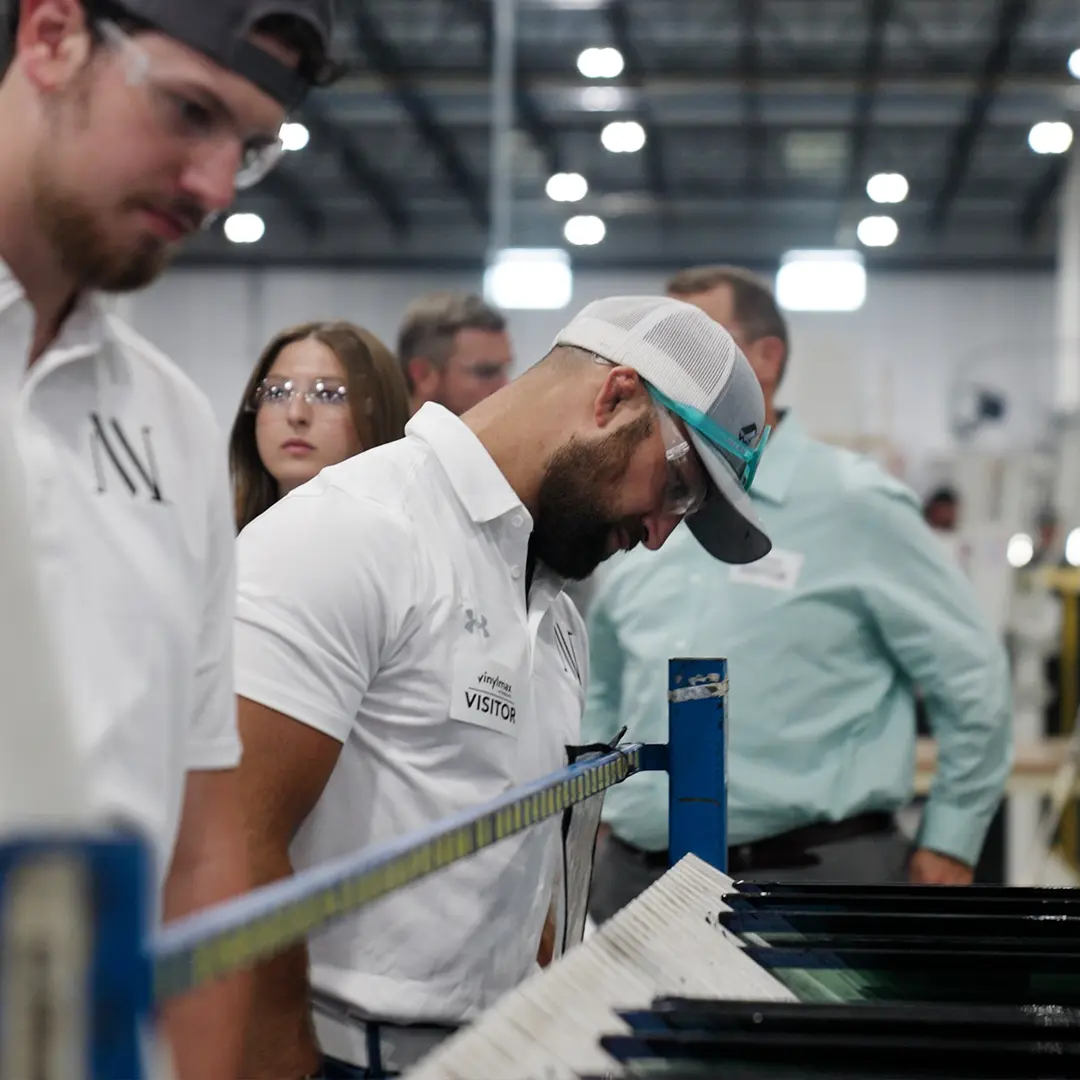
If you are eligible for the Mass Save window rebate, we help you schedule or prepare for your required no-cost Home Energy Assessment and explain the weatherization steps that must be completed before your rebate application. We handle the documentation and provide the installation records needed for your rebate submission.

Step 3: Custom Fabrication
Your windows are manufactured to the exact dimensions of your openings using your selected frame material and glass specification. Custom fabrication ensures a precise fit that generic shelf sizing cannot deliver, and a precise fit is where energy performance and long-term durability begin.
Step 4: Professional Licensed Installation
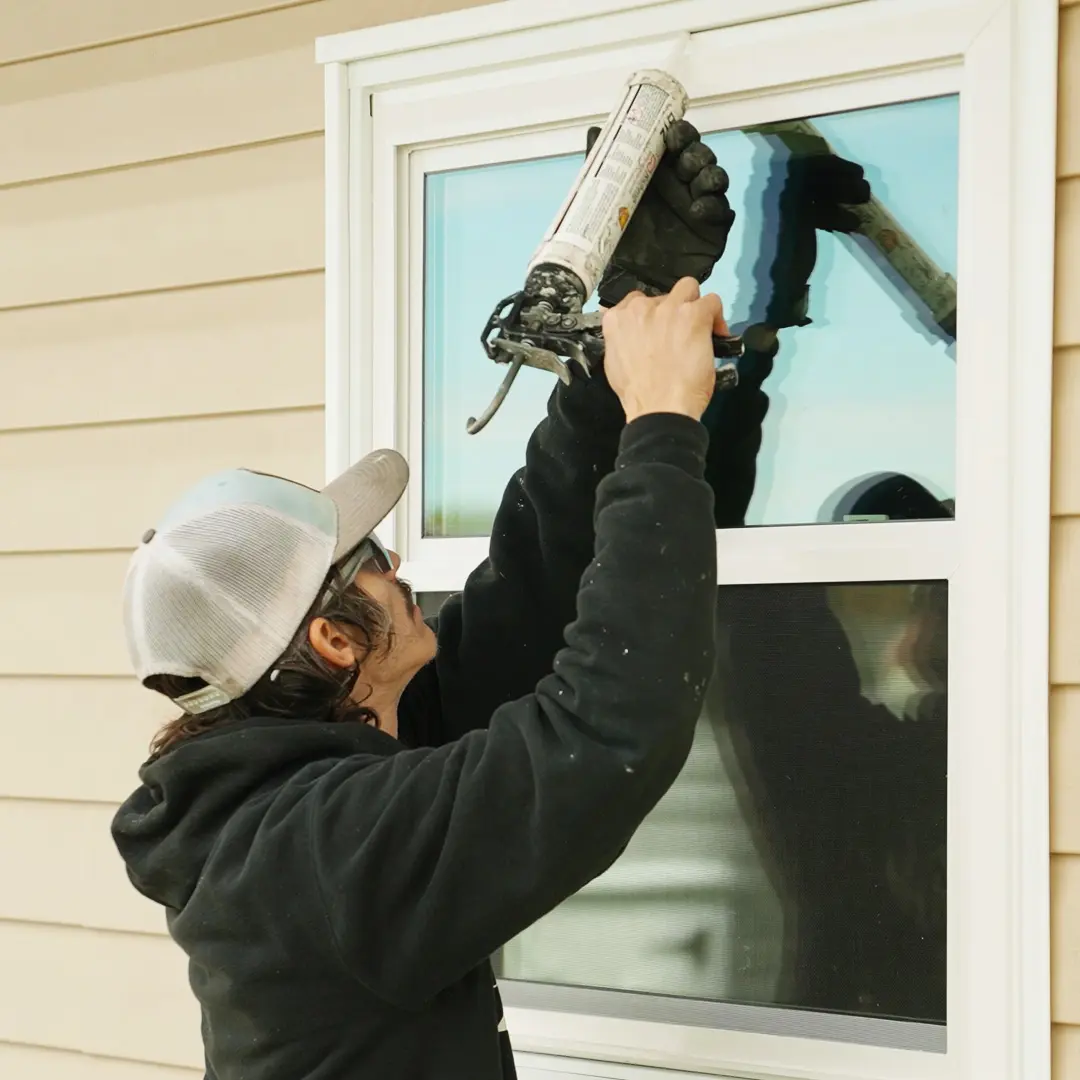
Our HIC-registered Massachusetts installation crews remove your existing windows, prepare each opening with proper insulation, flashing, and air sealing, and install your new windows to manufacturer specifications and Massachusetts State Building Code requirements. Most Massachusetts full-home projects are completed in one to two days.

Step 5: Site Cleanup, Walkthrough, and Documentation
We remove all old materials and debris, clean the work areas, and walk through every installed window with you to verify fit, operation, locking function, and your complete satisfaction. We provide your Product Identification Numbers, warranty documentation, and all records needed for your Mass Save rebate application and federal tax credit claim.
Why Window Replacement in Massachusetts Is a Financial Priority in 2025
The numbers behind window replacement in Massachusetts tell a story about both urgency and opportunity. Here is what current research and state data show.
4th | Massachusetts ranks fourth in the country for residential electricity cost per kilowatt-hour, meaning every unit of energy lost through aging windows costs Bay State homeowners more than it costs most Americans. Maximizing home energy efficiency is not optional in Massachusetts; it is financially necessary. Source: EcoWatch Massachusetts Windows Report, February 2025 / U.S. EIA State Energy Profile |
30% | Heat gain and loss through windows can represent up to 30 percent of a home’s energy used for heating and cooling. For the windows responsible for as much as 45 percent of winter heat loss in the worst cases, replacing them is a direct intervention in your monthly utility costs. Source: U.S. Department of Energy / Neeeco Mass Save Partner Report |
$101 to $583 | Massachusetts homeowners who replace single-pane windows with ENERGY STAR Most Efficient certified models can expect annual energy bill savings of $101 to $583, depending on home size, insulation, and heating fuel type. Over a 20-year window lifespan, that range represents $2,020 to $11,660 in accumulated savings. Source: Mass Save Program Data / U.S. Department of Energy ENERGY STAR Analysis (2025) |
67.1% | Massachusetts homeowners who invest in vinyl window replacement recoup an average of 67.1 percent of the project cost at resale, according to the 2024 Remodeling Magazine Cost vs. Value Report. That means a $15,000 project typically adds approximately $10,000 to your home’s market value, on top of immediate energy savings and daily comfort gains. Source: Remodeling Magazine Cost vs. Value Report 2024 / Window Depot South Boston Analysis, June 2025 |
Massachusetts also has one of the most accessible state-level window incentive programs in the country through Mass Save, and it can be stacked with the federal energy efficiency tax credit for maximum impact. We cover both programs in full detail later in this guide.
Window Types Available Through Virtual View Windows
The right window style depends on the room, the orientation of the opening, your ventilation needs, and the architecture of your Massachusetts home. Virtual View Windows carries a complete selection suited to New England conditions and the state’s diverse housing stock.
The most widely chosen style for Massachusetts homes and for good reason. Both the upper and lower sashes operate independently for flexible ventilation, and both tilt inward for easy cleaning without exterior ladders. Double hung windows suit the colonial, cape cod, and triple-decker styles that dominate Massachusetts residential architecture, and they are available in the full range of high-performance glass specifications the state’s climate demands.
Hinged at the side and cranked open outward, casement windows create a tight compression seal against the frame when closed. This makes them one of the most airtight residential window designs available, an important advantage for the wind-exposed sides of Massachusetts homes. They are also the most effective window style for directing coastal breezes into interior rooms on Cape Cod and the Islands.
Triple Pane Windows
Three layers of glass with two gas-filled cavities provide the highest insulation performance available in a residential window. Triple pane units can achieve U-factors as low as 0.15, compared to 0.27 for standard Energy Star double pane units. For homes in western Massachusetts, the upper Pioneer Valley, or exposed north-facing positions in any region, triple pane windows eliminate a measurable share of winter heat loss and provide a strong long-term return on the premium investment.
Opening horizontally along a track, sliding windows are a low-maintenance choice for wider openings in kitchens, basements, and contemporary-style homes. Fewer moving parts mean more reliable long-term operation. For Massachusetts coastal properties where exposed hardware is subject to salt air, the minimal external mechanism of a sliding window reduces corrosion risk.
Hinged at the top and opening outward, awning windows allow ventilation during New England’s frequent spring rains and afternoon thunderstorms. They are commonly combined with fixed picture windows to create light-filled walls that can still be opened for airflow, and they are a popular choice for kitchen, bathroom, and secondary bedroom openings in Massachusetts homes.
Projecting outward from the exterior wall, bay and bow windows create expanded interior space, significant natural light, and dramatic curb appeal. In Massachusetts’s older Victorian, craftsman, and federal-style homes, bay and bow windows are an architectural upgrade that adds resale value alongside improved comfort and light.
Fixed glass panels designed to frame views and flood interiors with natural light. With no moving parts, picture windows have no seal degradation from operational wear. Massachusetts homes near Cape Cod Bay, the Quabbin Reservoir, the Berkshires, or any scenic landscape use picture windows to make those views a permanent feature of their living spaces.
Egress Windows
Massachusetts building code requires egress windows in all basement bedrooms and below-grade habitable spaces. Egress windows must meet minimum opening dimensions and sill height requirements to function as emergency exits. Virtual View Windows installs egress windows to full compliance with the Massachusetts State Building Code, Chapter 1 of the Massachusetts Building Code (780 CMR), ensuring your below-grade living space is both legal and safe.
Signs Your Massachusetts Home Needs Window Replacement
Knowing when to act on window replacement matters both for your budget and for preventing the secondary damage that failed windows can cause in a Massachusetts winter. These are the most reliable indicators that your windows have reached the end of their service life.
Drafts felt at the frame, glass edge, or sill with the window fully closed
Air infiltration from deteriorated seals or warped frames raises both heating and cooling costs in Massachusetts’s extreme seasonal climate. In winter, every draft you feel is heat you have paid for leaving your home.
Condensation between the panes of a double pane window, or frost on interior glass surfaces in cold weather
Once the sealed gas cavity of an insulated glass unit fails, it loses its insulating function. Interior frost on glass is a severe thermal failure signal, not a minor cosmetic issue.
Visible rot, paint failure, warping, or cracks in window frames or surrounding trim
Massachusetts freeze-thaw cycles and high seasonal precipitation accelerate frame degradation, particularly in wood frames. Structural frame failure allows moisture into wall assemblies and can lead to mold, insulation damage, and drywall deterioration.
Windows that stick, bind, jam, or no longer lock reliably
Operational failure is both a safety concern and a building code issue. Massachusetts residential code requires functional egress windows in all sleeping rooms.
Energy bills increasing without a change in usage, thermostat settings, or number of occupants
When your National Grid, Eversource, or Cape Light Compact bill climbs without obvious cause, deteriorating window seals are one of the first places a Mass Save Energy Specialist will look during a Home Energy Assessment.
Rooms that feel harder to keep comfortable, with persistent cold zones near exterior walls in winter or overheating near south-facing windows in summer
Acoustic insulation declines along with thermal insulation as window seals and frames degrade. If your street sounds louder than it used to, your windows are past their performance peak.
Audible increase in traffic noise, wind, or street activity through closed windows
Acoustic insulation declines along with thermal insulation as window seals and frames degrade. If your street sounds louder than it used to, your windows are past their performance peak.
Understanding Massachusetts Climate and Its Impact on Window Performance
Massachusetts spans a meaningful range of climate conditions from west to east, and the right window specification varies by region. Understanding what your windows face every year helps you make better decisions about materials and glass specifications.
Greater Boston and Eastern Massachusetts
The Boston metro and eastern Massachusetts experience a classic New England four-season climate: cold, wet winters with average January temperatures in the low 30s Fahrenheit, humid summers with occasional heat waves pushing into the 90s, and significant precipitation year-round. The urban heat island effect across Boston and its suburbs raises cooling demand in summer compared to surrounding rural areas. For homes in this market, double pane Low-E insulated glass with argon fill is the baseline performance standard, and triple pane is a strong option for north-facing and wind-exposed openings.
Worcester, Central Massachusetts, and the Pioneer Valley
Inland and central Massachusetts experiences colder winters than the coast, with temperatures regularly falling into the single digits Fahrenheit and sustained cold snaps that test window insulation performance directly. Springfield and the Pioneer Valley also face more temperature extremes than coastal communities. For homes in this region, the thermal performance gap between aging single-pane windows and modern double or triple pane units is at its most financially significant.
The Berkshires and Western Massachusetts
Western Massachusetts at elevation experiences some of the coldest winter conditions in the state, with heavy snowfall and extended cold periods that put sustained pressure on window insulation. For homes in Pittsfield, Lenox, North Adams, and surrounding communities, triple pane glass with krypton gas fill is often the most appropriate specification and the one that delivers the clearest long-term return on energy savings.
Cape Cod, the Islands, and Southeastern Massachusetts
Coastal communities along Cape Cod, Martha’s Vineyard, and Nantucket face a different set of challenges: moderate temperatures year-round, high humidity, salt air exposure, and coastal storm events. Salt air accelerates corrosion on metal hardware and degrades lower-quality frame materials over time. For these communities, fiberglass frames or high-quality vinyl with corrosion-resistant hardware provide the most durable long-term performance. Historic district requirements in towns like Falmouth, Chatham, and Edgartown may also constrain window style and color choices.
Window Frame and Glass Materials for Massachusetts: A Comparison Guide
Frame material determines how your windows hold up through Massachusetts winters, coastal humidity, and seasonal temperature swings. Here is a side-by-side guide for the most common options.
Frame | Energy Perf. | Maintenance | Cost Range | Lifespan | Best For |
Vinyl (standard) | Good | Very Low | $600 to $900 | 20 to 40 yrs | Most MA homes |
Vinyl (premium) | Very Good | Very Low | $700 to $1,200 | 25 to 40 yrs | Energy-focused installs |
Fiberglass | Excellent | Low | $900 to $1,800 | 30 to 50 yrs | Coastal & high-humidity |
Wood | Good | High | $800 to $1,800 | 20 to 30 yrs | Historic / heritage homes |
Wood-clad | Very Good | Medium | $900 to $2,000 | 25 to 40 yrs | Period architecture |
Aluminum | Moderate | Low | $400 to $800 | 20 to 30 yrs | Commercial or modern |
For the majority of Massachusetts homeowners, vinyl frames with double pane Low-E glass and argon fill represent the strongest combination of performance, longevity, and value, and they qualify for Mass Save rebates when meeting ENERGY STAR Most Efficient Northern Region certification. Coastal properties in Cape Cod, the South Shore, and the Islands should prioritize fiberglass for its superior moisture and salt air resistance. Historic district properties in communities governed by local preservation commissions may require wood or wood-clad options; confirm requirements with your local commission before selecting frame material.
On glass specification, Low-E coatings are a standard feature Virtual View Windows includes on all insulated glass units. The coating blocks infrared heat in winter (keeping warmth inside) and in summer (reducing heat gain from solar radiation), and it blocks UV rays that fade flooring, furniture, and artwork, often by up to 99 percent. For Massachusetts homes, Low-E coating is not an optional upgrade. It is the baseline for any window that is expected to perform.
Mass Save Rebates, Federal Credits, and the Full Massachusetts Incentive Stack for 2025
Massachusetts homeowners have access to one of the best-stacked window incentive programs in the country in 2025. Understanding how each layer works, and how to combine them, can reduce your out-of-pocket project cost significantly.
Program | Incentive Amount | Eligibility | Key Date / Note |
Mass Save Window Rebate | $75 per window | Single-pane to Energy Star Most Efficient | Jan 31, 2026 (for 2025 purchases) |
Federal IRA Tax Credit | 30% up to $600 | Energy Star certified windows | Through 2032 |
Mass Save HEAT Loan | 0% financing up to $25,000 | Qualifying energy efficiency projects | Rolling / check masssave.com |
Income-Eligible HEAT Loan | 0% or low rate up to $50,000 | Heat pumps + efficiency upgrades | Rolling / income verified |
No-Cost Replacements | Free single-pane replacement | Income-qualified MA homeowners | Check masssave.com/getverified |
The Mass Save Window Rebate: How It Works in 2025
Mass Save sponsors, including Berkshire Gas, Cape Light Compact, Eversource, Liberty, National Grid, and Unitil, offer a $75-per-window rebate for Massachusetts residential customers who replace verified single-pane windows with ENERGY STAR Most Efficient windows certified for the Northern Region. The rebate is good for purchases made through 2026, with applications for 2025 purchases due by January 31, 2026.
To qualify, you must complete a no-cost Home Energy Assessment through a Mass Save partner before purchasing your windows. An Energy Specialist will verify your existing single-pane windows and identify any weatherization improvements (insulation, air sealing) that must be completed before you can receive the rebate. Income-qualified Massachusetts homeowners may receive single-pane window replacements at no cost. Virtual View Windows coordinates with Mass Save to ensure every eligible client completes the process correctly.
Mass Save HEAT Loan: 0% Financing Up to $25,000
The Mass Save HEAT Loan provides 0% interest financing for qualifying energy efficiency projects, including window replacement, up to $25,000. For projects that also include air-source or ground-source heat pumps, financing up to $50,000 at 0% may be available for income-qualified households. This program makes it possible to complete a full-home window replacement project without paying any upfront interest, and the energy bill savings you generate can offset a portion of the monthly loan payments.
Federal Energy Efficient Home Improvement Credit (IRA)
The Inflation Reduction Act allows Massachusetts homeowners to claim a 30 percent tax credit on qualifying energy-efficient window installations, up to $600 for windows annually, through 2032. To claim the credit, you will need the Product Identification Number from your window manufacturer, which Virtual View Windows provides with every qualifying installation. This federal credit can be combined with the Mass Save rebate and HEAT Loan in the same project, and the combination represents a meaningful reduction in your effective project cost.
Stacking the Massachusetts Incentive Programs: A 2025 Example
For a Massachusetts homeowner replacing 15 single-pane windows in 2025 using qualifying ENERGY STAR Most Efficient windows: the Mass Save rebate provides 15 times $75, totaling $1,125; the federal tax credit provides up to $600 additional; and the HEAT Loan finances the remainder at 0% interest. Annual energy bill savings of $200 to $583 begin immediately. Over 10 years, energy savings alone recover $2,000 to $5,830 of the project cost, alongside the resale value increase of 67.1 percent of total project cost. For most Massachusetts homeowners, the combination of incentives and long-term savings makes the effective cost of window replacement significantly lower than the sticker price suggests.
Window Replacement Cost in Massachusetts: Current 2025 Data
Window replacement costs in Massachusetts are above the national average, reflecting the state’s higher cost of living, Boston metro labor rates, and the more demanding performance specifications required by New England winters. Here is what 2025 data shows.
Window Type / Scenario | Cost Per Window (Installed) | Total Project Range |
Standard vinyl double hung | $600 to $900 installed | $6,000 to $9,000 (10 units) |
Casement (vinyl, double pane Low-E) | $700 to $1,100 installed | $7,000 to $11,000 (10 units) |
Triple pane (high-efficiency) | $900 to $1,800 installed | $9,000 to $18,000 (10 units) |
Bay or bow windows | $1,500 to $6,000+ installed | Per unit, size dependent |
Boston metro average (all types) | $800 per window average | $2,635 to $8,755 full project |
Massachusetts statewide average | $600 to $1,610 per window | $4,500 to $12,000+ full project |
Vista Home Improvement MA range | $750 to $1,800 per window | Premium/full-frame installs |
The Boston metro window replacement average is $6,587 for a full project, with most homeowners spending between $2,635 and $8,755 (Angi, 2025). The statewide average per window is approximately $800, compared to a national average of $600 (EcoWatch Massachusetts, February 2025). Labor costs in Massachusetts run $50 to $200 per hour depending on contractor experience and project complexity (Angi Boston, 2025).
Two installation methods affect cost significantly. A pocket or insert replacement installs a new window unit into the existing frame, saving time and cost when the frame is structurally sound. A full-frame replacement removes the existing window, frame, and surrounding trim entirely before installing the new unit. Full-frame replacement is more expensive but provides superior energy performance and is often the right choice when frames are damaged, rotted, or when upgrading to a significantly different window size.
Massachusetts contractor registration requirements also matter. Your window company must be registered with the state as a Home Improvement Contractor (HIC) to qualify for consumer protections under Massachusetts law. Always confirm HIC registration before signing any contract. Virtual View Windows is fully HIC registered in Massachusetts.
Permits are generally required for window replacements in Massachusetts that alter the existing opening size or affect egress. A short-form permit typically costs $20 plus $10 per $1,000 of project value in most Massachusetts municipalities. Virtual View Windows handles all permit research and filing as part of every project.
Why Massachusetts Homeowners Choose Virtual View Windows
When searching for window replacement near me in Massachusetts, the number of options can make the decision feel harder than it should be. Here is what distinguishes Virtual View Windows in the Massachusetts market.
We understand New England. Our product specifications, frame material recommendations, and installation practices are tailored to Massachusetts’s specific climate zones, from the wind-exposed coastline of Cape Cod to the colder inland winters of Worcester County and the Berkshires. We do not use a national one-size template and apply it to every region. We match our recommendations to your specific home, location, and climate exposure.
Our installation crews are HIC-registered in Massachusetts and trained to follow a documented installation protocol that treats proper flashing, air sealing, and insulation as mandatory steps, not optional ones. The energy performance of any window is determined as much by the quality of the installation as by the quality of the product. We do not compromise on either.
We carry ENERGY STAR Most Efficient certified windows for the Northern Region, the specific certification required to qualify for Mass Save window rebates, and we handle the documentation needed for every incentive program your project qualifies for. Our clients do not miss out on rebates because of paperwork.
Our workmanship warranty is a genuine commitment. If any installation issue arises after we leave your home, we come back and make it right. No argument, no delay, no additional charge.
Whether you are in Boston, Cambridge, Worcester, Springfield, Plymouth, Falmouth, Northampton, Pittsfield, Lowell, Salem, Quincy, or anywhere across Massachusetts, Virtual View Windows brings certified window services near you with the regional expertise, professional credentials, and accountability that Massachusetts homeowners expect and deserve.
Frequently Asked Questions About Window Replacement in Massachusetts
How much does window replacement cost in Massachusetts?
Window replacement in Massachusetts averages around $800 per window, above the national average of $600 (EcoWatch, February 2025). In the Boston metro, the average full-project cost is $6,587, with most homeowners spending between $2,635 and $8,755 (Angi, 2025). Statewide, most homeowners pay between $600 and $1,610 per window for a standard residential installation. High-efficiency triple pane units can reach $750 to $1,800 per window installed. Virtual View Windows provides free, itemized estimates for Massachusetts homeowners so you understand your full project cost before committing to any work.
How does the Mass Save window rebate work in Massachusetts?
Mass Save sponsors offer a $75-per-window rebate for Massachusetts homeowners who replace verified single-pane windows with ENERGY STAR Most Efficient windows certified for the Northern Region. To qualify, you must first complete a no-cost Home Energy Assessment with a Mass Save partner, have your existing single-pane windows verified, and complete any required weatherization improvements (such as air sealing or insulation) identified during the assessment. Rebate applications for windows purchased in 2025 must be submitted by January 31, 2026. Income-qualified homeowners may qualify for no-cost single-pane window replacements. Virtual View Windows coordinates the documentation and verification process for every eligible Massachusetts client.
Do I need a permit to replace windows in Massachusetts?
Permit requirements in Massachusetts depend on your municipality and the scope of work. Like-for-like window replacements in the same opening size and location often qualify for a short-form permit in most Massachusetts towns, typically costing $20 plus $10 per $1,000 of project value. Projects that enlarge an opening, create a new opening, or install egress windows in basement bedrooms generally require a standard building permit. Your window contractor must be registered as a Home Improvement Contractor (HIC) under Massachusetts law. Virtual View Windows is fully HIC-registered and handles all permit research and filing for every Massachusetts project.
What are the best windows for Massachusetts winters?
For Massachusetts winters, the minimum recommended specification is double pane insulated glass with Low-E coating and argon gas fill in a vinyl or fiberglass frame. For homes in central Massachusetts, the Pioneer Valley, or the Berkshires where winters are coldest, triple pane glass with krypton gas fill provides meaningfully better thermal performance. Casement windows offer the most airtight compression seal among operable styles and are the top recommendation for north-facing and wind-exposed openings. Virtual View Windows assesses each opening’s orientation, exposure, and existing insulation to recommend the right specification for your specific home and location.
Can I combine the Mass Save rebate with the federal window tax credit?
Yes. The Mass Save window rebate and the federal Energy Efficient Home Improvement tax credit can be combined in the same project. The federal credit allows Massachusetts homeowners to claim 30 percent of qualifying window installation costs, up to $600 annually for windows, through 2032. The Mass Save rebate provides an additional $75 per qualifying window. The Mass Save HEAT Loan also provides 0% financing for the project balance. Stacking all three programs in a single qualifying project represents a significant reduction in your effective out-of-pocket cost. Virtual View Windows provides all documentation needed, including Product Identification Numbers and installation records, to support both applications.
Start Your Massachusetts Window Replacement Project With Confidence: Your Next Steps

Get Your Free Estimate Today | Call or Request Online | Serving All of Massachusetts
Find Window Services Near You Across Massachusetts
Virtual View Windows provides certified window replacement services throughout Massachusetts. Our service area covers all regions of the state.
- Greater Boston: Boston, Cambridge, Somerville, Brookline, Newton, Quincy, Dedham, and Waltham
- North Shore: Salem, Beverly, Gloucester, Newburyport, Ipswich, and Marblehead
- South Shore: Plymouth, Brockton, Weymouth, Hingham, Cohasset, and Duxbury
- Metro West: Framingham, Natick, Milford, Marlborough, Westborough, and Hopkinton
- Worcester and Central MA: Worcester, Fitchburg, Leominster, Gardner, and Shrewsbury
- Pioneer Valley: Springfield, Northampton, Amherst, Holyoke, Chicopee, and Westfield
- Cape Cod and the Islands: Falmouth, Barnstable, Hyannis, Chatham, Orleans, Provincetown, Nantucket, and Edgartown
- Berkshires and Western MA: Pittsfield, Lenox, Great Barrington, Adams, and North Adams
If your community is not listed, contact us directly. We regularly expand service coverage across Massachusetts to meet homeowner demand, and we work with properties throughout the state including coastal, island-access, historic district, and rural properties with specialized requirements.
Wherever you are in Massachusetts, searching for window replacement near me should connect you with a team that knows New England winters, respects your home’s architecture, installs to state code, and stands behind the work. That is what Virtual View Windows delivers to every Massachusetts homeowner.