
Virtual View Windows
Window Installation Washington DC
Window Installation Washington DC: Expert Service for the District's Historic Rowhouses, Modern Condos, and Every Neighborhood in Between
Window installation in Washington DC presents a set of challenges and compliance requirements unlike any other American city. The District of Columbia has one of the highest concentrations of designated historic districts in the country, with neighborhoods from Capitol Hill and Georgetown to Logan Circle, Dupont Circle, Adams Morgan, LeDroit Park, and Columbia Heights containing thousands of rowhouses and attached homes subject to design review by the DC Historic Preservation Office (HPO) or, in Georgetown, the U.S. Commission of Fine Arts (CFA). Any exterior alteration to a window in a DC historic district, including replacement, must be reviewed and approved before a building permit can be issued. At the same time, DC’s dominant housing type of the three-story brick rowhouse built between the 1880s and the 1920s creates installation conditions that require the logistical precision, crew coordination, and product staging expertise of a contractor who knows the District’s dense urban environment. Virtual View Windows is a dedicated window installation Washington DC company serving homeowners, condominium owners, and commercial property managers throughout all eight wards of the District with ENERGY STAR North-Central Zone certified, NFRC-verified, HPO-experienced window installation.
Whether you are searching for window installation near me in Capitol Hill or Columbia Heights, looking for window services near you in Dupont Circle or Petworth, or trying to understand the DCSEU rebate programs and DC DLCP licensing requirements before you sign with any contractor, this guide delivers the current, precise information that District homeowners need to make a well-protected, well-informed window installation decision.
Choosing the Right Window Material for Arizona's Desert Climate
Not all window frames perform equally under Arizona conditions. Here is how the most common materials compare:
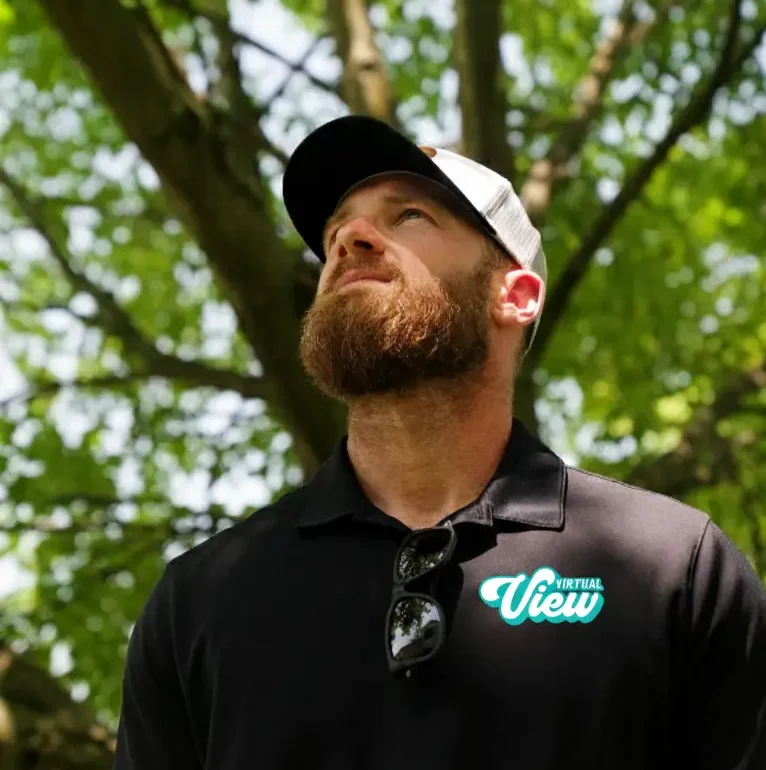
Free On-Site Estimate
A certified project advisor visits your home, measures every opening, evaluates frame and sill conditions, and provides a written, itemized quote with no pressure and no surprises.
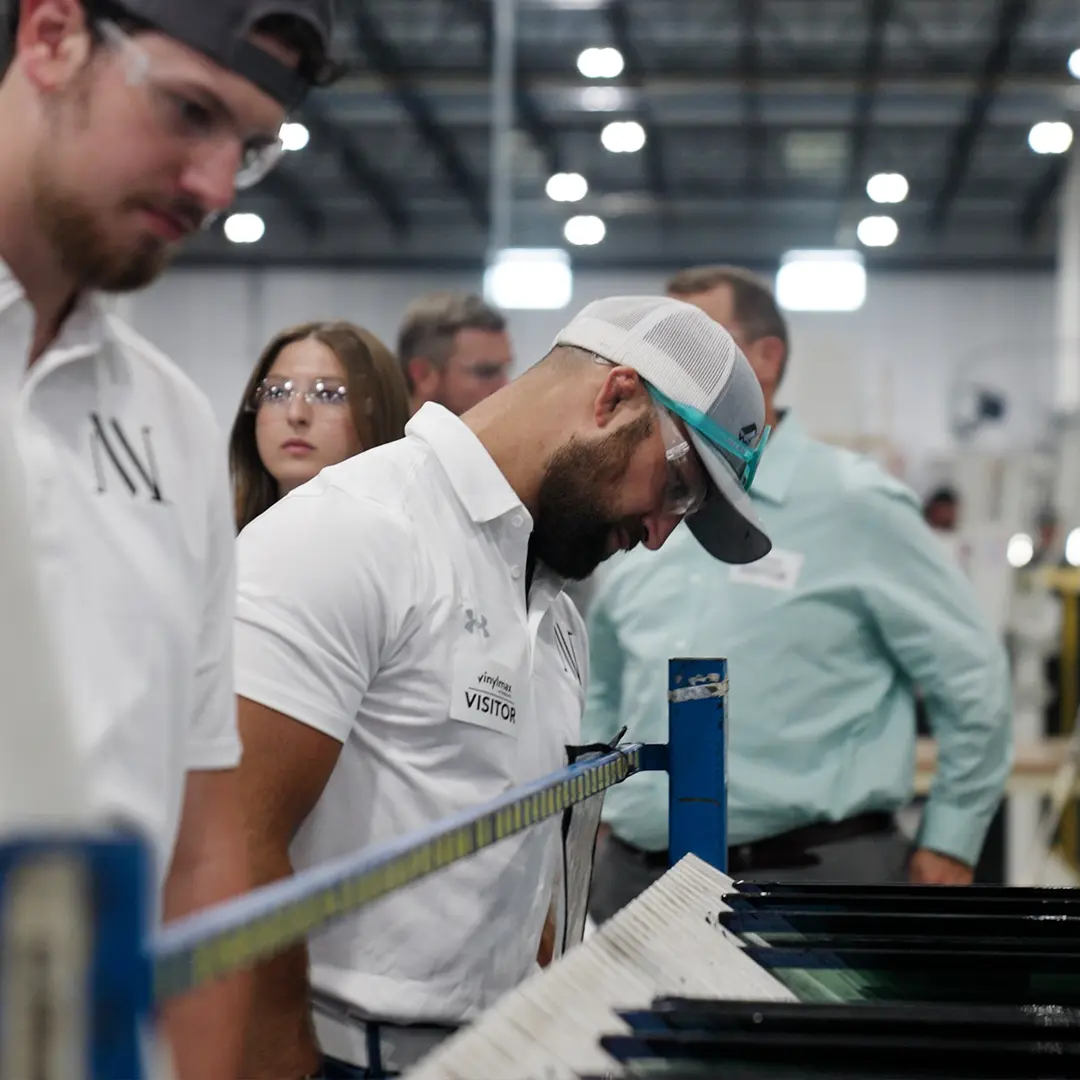
Product Selection
We guide you through window styles, frame materials, glass packages, and color options suited to your home's architecture and your energy goals.

Custom Order and Delivery Confirmation
Your windows are ordered to your exact specifications. Before scheduling installation, we inspect every unit at delivery to verify accuracy and confirm there are no defects.
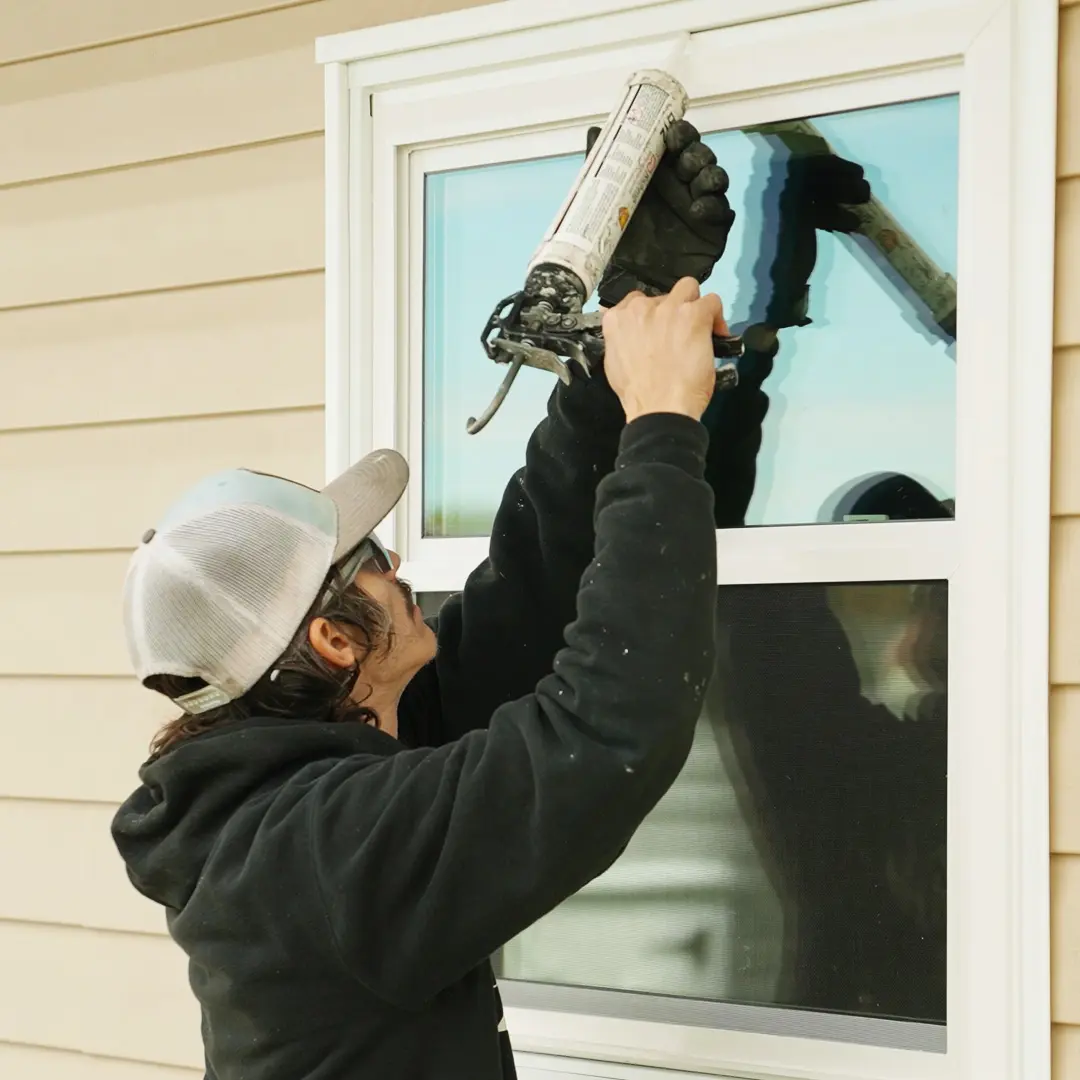
Professional Installation
Our licensed Arizona installation crews work cleanly and efficiently. All interior surfaces are protected, old windows are removed and disposed of responsibly, and new units are installed with commercial-grade flashing, foam insulation, and weathertight caulk.
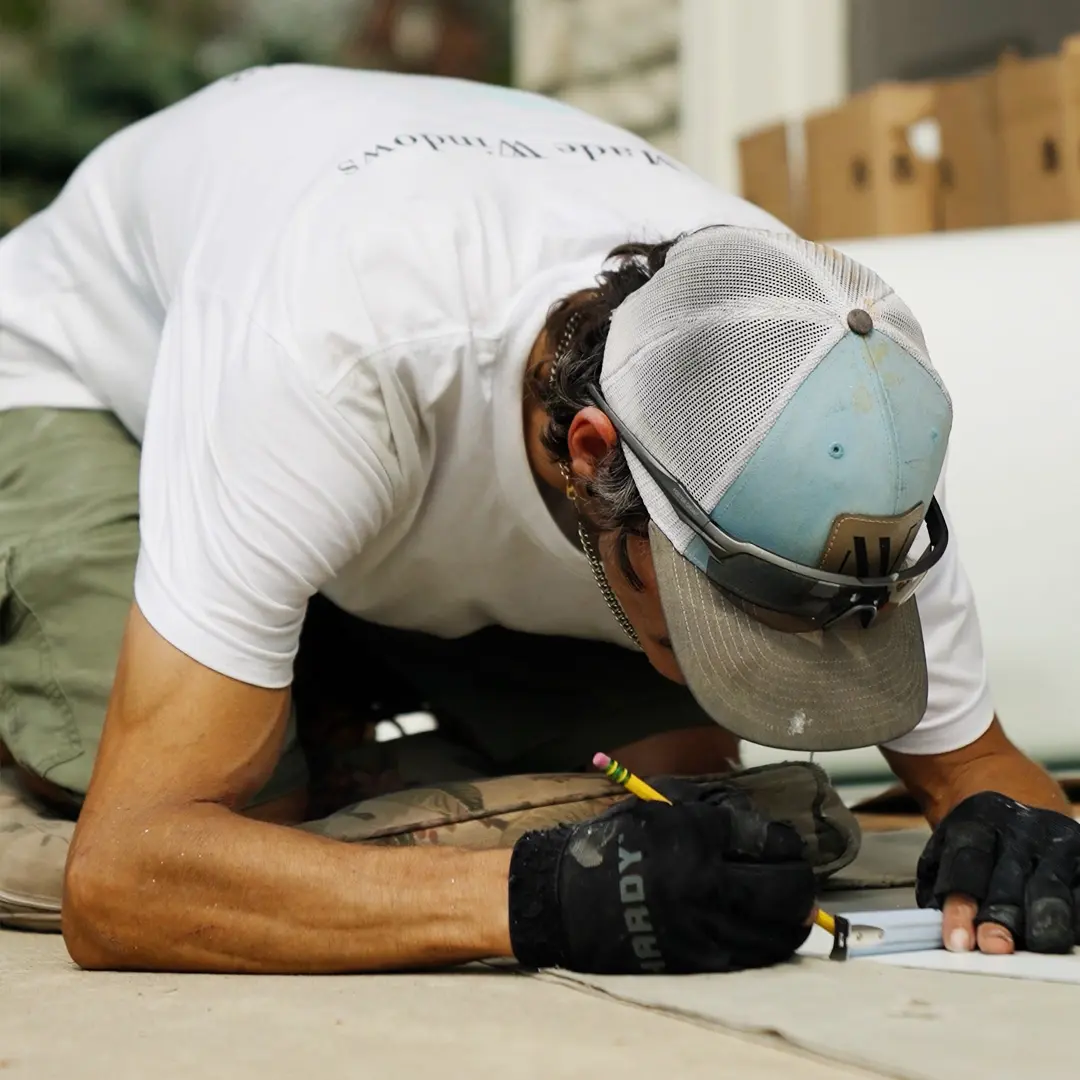
Final Inspection and Walkthrough
We review every installed window with you before we leave, demonstrate proper operation, and provide documentation of your product warranties.
Why Window Installation in Washington DC Demands North-Central Zone Performance in One of the East Coast's Most Energy-Intensive Climates
Washington DC sits squarely in ENERGY STAR’s North-Central Climate Zone, Classification 4A mixed-humid. This classification reflects what any long-time District resident already knows from experience: DC winters are genuinely cold, regularly bringing January overnight lows below 25 degrees Fahrenheit, while DC summers combine intense heat with mid-Atlantic humidity that makes inadequate window glazing a direct contributor to cooling system overload. The U.S. Department of Energy estimates that windows account for 25 to 30 percent of a home’s total heating and cooling energy consumption, and in the District’s mixed-humid climate that percentage is driven by both winter heat loss and summer solar heat gain.
Window installation in Washington DC carries an average cost of approximately $729 per window, according to Costguide’s DC-specific pricing data, with the full range running from $234 to $1,224 per window depending on type, material, and complexity. A November 2025 survey of 1,000 homeowners nationwide conducted by This Old House found that 67 percent of respondents saved between $25 and $100 per month on energy bills after installing new windows. In DC’s energy cost environment, that monthly savings profile represents a payback period competitive with any other home improvement investment. NerdWallet’s analysis of window replacement ROI places the national return at 70 to 85 percent of project cost recovered at resale, and DC’s strong residential real estate market positions well-specified window installations at the upper end of that range.
DC’s housing stock amplifies the energy opportunity. The District’s predominant residential type is the pre-war brick rowhouse, typically three stories, built between the 1880s and the 1940s. These homes were originally equipped with single-pane wood sash windows that provided essentially no thermal resistance by modern standards. Many were updated with early-generation aluminum replacement windows through the 1970s and 1980s, products that are now 40 to 50 years old, well past effective service life, and conducting heat as readily as their original aluminum predecessors due to failed weatherseals and degraded spacer systems. Replacing these windows with ENERGY STAR North-Central Zone certified products delivers immediate, measurable reductions in both heating and cooling energy consumption in the dense urban rowhouse environment that defines DC residential living.
DC's Building Code and ENERGY STAR North-Central Zone: What Every Window Installation Must Meet
The District of Columbia operates under the DC Building Code, which is based on the 2021 International Building Code and 2021 International Residential Code with DC-specific amendments, administered by the DC Department of Buildings (DOB). The energy provisions of the DC Building Code require fenestration installed in residential properties to meet the performance requirements applicable to IECC Climate Zone 4A, which aligns with the ENERGY STAR North-Central Climate Zone classification.
ENERGY STAR North-Central Zone certification requires replacement windows to achieve a maximum U-factor of 0.30 or lower and a maximum Solar Heat Gain Coefficient of 0.40 or lower. For DC’s mixed-humid climate, where both winter heating performance and summer solar heat rejection are meaningful performance demands, industry practice recommends tightening the target to a U-factor of 0.27 or lower paired with an SHGC of 0.27 or lower. This tighter specification delivers measurably better year-round performance in DC’s climate compared to the minimum code threshold, and it positions the installed windows at the performance level most consistent with DCSEU rebate program eligibility for qualifying improvements.
Building permits are required for window installation in Washington DC. The DOB permit process documents code compliance and creates the official record of the installed window’s performance specifications. For properties in DC historic districts, the permit process includes an additional preservation review step by the HPO. For properties in the Georgetown Historic District, the U.S. Commission of Fine Arts (CFA) conducts its own review in addition to HPO, making Georgetown one of the most rigorous review environments for window installation anywhere in the country. Virtual View Windows manages DOB permit research, HPO historic district review coordination, and CFA submission preparation as standard project scope for every applicable DC project. More than 95 percent of HPO permit reviews are handled through the HPO Expedited Review process for projects that meet preservation guidelines, and our experience with HPO standards enables us to navigate this process efficiently for our clients.
Window Services Near You Across Every Washington DC Neighborhood
Virtual View Windows delivers professional window services near you throughout all eight wards of the District of Columbia, from the densely historic rowhouse neighborhoods of Wards 1, 2, and 6 to the single-family residential communities of Wards 3, 4, and 5, and through the growing residential markets of Wards 7 and 8 where housing investment and energy efficiency upgrades are expanding. Our service model is built around the realities of urban DC window installation: managing parking coordination and material staging on narrow residential streets, scheduling around the noise ordinances and neighbor notification requirements that apply in DC’s attached-home environment, and navigating the HPO review process for historic district projects without creating schedule delays that disrupt homeowners’ lives.
Historic Rowhouse Window Installation
DC’s iconic brick rowhouses, typically three stories with two to four windows per floor on the primary facade, require window installation teams with experience managing the urban logistics of DC’s attached-home neighborhoods. Each rowhouse installation involves product staging in limited street space, interior access through inhabited rooms, and careful coordination with adjacent attached neighbors when scaffold or lift access would affect shared property lines. Virtual View Windows manages all of these DC-specific logistical requirements as standard project scope. For historic district rowhouses, we prepare complete HPO permit packages, specify products that meet both HPO guidelines and North-Central Zone energy performance requirements, and coordinate with DOB permit offices to maintain the tightest achievable schedule between permit application and installation.
Condominium and Multi-Unit Window Installation
Washington DC’s condominium and multi-unit residential market spans a wide range of building types, from converted historic rowhouses with two to four units to purpose-built mid-rise residential buildings from the 1950s through the present. Condominium window installations require coordination with condominium association boards for exterior modification approval, review of the association’s Declaration and Rules for any restrictions on window profile, color, or glazing type, and scheduling that accommodates the occupied-building requirements of a multi-unit residential property. For large multi-unit window installation projects, Virtual View Windows provides phased installation plans and property manager communication protocols that minimize disruption to residents. For condo buildings in DC historic districts, our HPO review experience applies to association-sponsored whole-building window replacement projects as well as individual unit installations.
New Construction and Gut-Rehabilitation Window Installation
Washington DC’s active residential renovation market, including the gut rehabilitation of vacant and neglected rowhouses and the adaptive reuse of commercial buildings for residential occupancy, generates a significant volume of new-construction window installations where windows are installed from the framing stage rather than into existing rough openings. Virtual View Windows installs new construction window packages in DC gut-rehabilitation projects, working directly with general contractors and design-build firms. New construction installations in DC historic districts require HPO review of the proposed window specifications as part of the overall building permit review, and we prepare the required preservation documentation in coordination with the project’s architect and general contractor.
Window Frame Materials for Washington DC: Matching the Right Product to the District's Rowhouses, Historic Districts, and Modern Buildings
Washington DC’s housing stock diversity, from pre-war brick rowhouses to 1960s apartment buildings to contemporary glass-and-steel mixed-use developments, means that the right window frame material selection varies significantly across the District’s neighborhoods and building types. Here is how the primary options compare, using DC’s specific residential and historic preservation context as the governing lens.
Wood-Clad and Aluminum-Clad Frames: The Standard for DC Historic Districts
For window installation in DC’s historic districts, wood-clad or aluminum-clad composite frames are frequently the required specification to satisfy HPO guidelines and, in Georgetown, CFA submission requirements. The DC HPO’s Window Repair/Replacement Guidelines require that replacement windows match the character of original windows in material appearance, profile, sight line, and glazing pattern. For the pre-war double-hung wood sash windows that dominate Capitol Hill, Dupont Circle, Logan Circle, and Georgetown rowhouses, the preservation standard is typically met by wood-profile or aluminum-clad wood-core frames with simulated divided light insulated glass units that replicate the original’s muntin pattern from the exterior. Properly specified aluminum-clad wood-core windows deliver ENERGY STAR North-Central Zone energy performance while satisfying HPO exterior appearance requirements. Quality Window and Door, one of DC’s established competitors, highlights Infinity by Marvin’s Fibrex composite material specifically for DC historic district compatibility and energy performance. Virtual View Windows specifies wood-clad and fiberglass composite products documented to meet both HPO guidelines and NFRC certification requirements for DC historic district projects.
Fiberglass Composite: The Performance Specification for DC's Non-Historic Rowhouses and Modern Buildings
For DC rowhouses and attached homes outside designated historic districts, pultruded fiberglass and fiberglass composite frames are the premium performance specification. Fiberglass frames handle the thermal expansion dynamics of DC’s climate more effectively than standard vinyl, maintaining insulated glass unit seal integrity through the temperature range from below-freezing January nights to 95-degree August days. In DC’s urban environment, where rowhouses are separated by only a few feet and mechanical ventilation of frame areas is limited, frame material longevity and weatherseal retention are more significant performance variables than in open suburban installations. Fiberglass frames outperform vinyl in long-term weatherseal retention under the repeated thermal cycling of DC’s climate, and their dimensional stability reduces the air infiltration increases that vinyl frames can develop over time as the frame material contracts and expands repeatedly through Washington’s marked seasonal temperature swings.
Multi-Chamber Vinyl: The Accessible Specification for Non-Historic DC Residential
Fully welded multi-chamber vinyl is the most widely installed window frame material in Washington DC’s non-historic residential neighborhoods and delivers reliable North-Central Zone performance when specified with the appropriate compound and construction standard. For DC applications, the critical specifications are fully fusion-welded corners, four-chamber or greater insulating profiles, Low-E argon glass achieving a U-factor of 0.30 or lower and an SHGC of 0.40 or lower, and exterior finishes rated for DC’s UV exposure. For DC rowhouses in non-historic blocks of Petworth, Brightwood, Brookland, Eckington, Congress Heights, and similar neighborhoods where preservation guidelines do not apply and product selection is driven entirely by energy performance and cost, welded multi-chamber vinyl at the North-Central Zone performance standard delivers strong energy savings at an accessible price point. Installed costs for standard vinyl in DC typically run from $350 to $700 per window.
Thermally Broken Aluminum: DC Commercial and Mixed-Use Applications
Thermally broken aluminum is the appropriate specification for DC commercial storefronts, retail facades, mixed-use building commercial ground floors, and contemporary architectural residential applications where slim sight lines and large-format glazing are design requirements. Standard aluminum without a thermal break does not meet DC’s Zone 4A energy code requirements for conditioned residential space. For DC’s active mixed-use development corridor along H Street, U Street, 14th Street, and the emerging development zones in Wards 7 and 8, thermally broken aluminum curtain wall and storefront systems are the standard commercial glazing specification. Virtual View Windows installs thermally broken aluminum commercial systems alongside our residential portfolio for commercial clients across the District.
Window Installation Incentives and Rebate Programs in Washington DC: What Is Available in 2026
Window installation incentives in Washington DC operate through a combination of the DC Sustainable Energy Utility (DCSEU) programs, federally funded programs channeled through DCSEU’s equity-focused initiatives, and utility efficiency offerings from Washington Gas. Understanding which programs are available for market-rate homeowners versus which are reserved for income-eligible residents enables accurate project budget planning for every DC homeowner.
- DCSEU Residential Rebates (Locally Funded): The DC Sustainable Energy Utility offers cash rebates for qualifying energy-efficient equipment and home improvements through its locally funded Residential Rebates program. These rebates are funded by local DC dollars, are available to DC residents at any income level, and are distinct from the federally funded IRA programs described below. DCSEU residential rebates for FY2026 are open for qualifying purchases and upgrades made through September 30, 2026, with applications postmarked before September 30, 2026. DCSEU’s primary residential rebate focus is on HVAC equipment, heat pumps, and electrification improvements. Visit dcseu.com to confirm current window-specific rebate availability and rebate amounts for FY2026. Virtual View Windows provides NFRC documentation formatted for DCSEU rebate applications for every DC project.
- DC IRA-Funded Programs (Income-Eligible Only): Washington DC launched both the Home Efficiency Rebates (HER/HOMES) and the Home Electrification and Appliance Rebates (HEAR) programs as part of the IRA Home Energy Rebates framework, making DC one of the first jurisdictions in the country to do so. However, DC’s approach channels all federally funded IRA rebates exclusively through the DCSEU’s income-targeted programs: the Affordable Home Electrification Program (AHEP) and the Affordable Housing Retrofit Accelerator (AHRA). DC’s DOEE has confirmed that ‘federally funded rebates will not be available outside of participation in AHRA or AHEP.’ This means that market-rate DC homeowners cannot access IRA-funded HOMES or HEAR rebates directly. Income-eligible DC residents and affordable housing property owners are encouraged to contact DCSEU to apply for AHEP or AHRA program participation, which provides direct financial and technical assistance for home energy upgrades including qualified window-related improvements when included in a whole-home electrification plan.
- Washington Gas Smart Savings Program: Washington Gas serves residential and commercial customers in the DC metro area and offers efficiency programs and rebates through its Smart Savings programs at wgsmartsavings.com for DC customers. Washington Gas programs focus primarily on HVAC and heating efficiency upgrades. DC homeowners with natural gas service should check current program availability and confirm whether any window-related weatherization incentives are available in the current program period alongside HVAC efficiency improvements.
- DC Weatherization Assistance Program (WAP): Income-eligible DC homeowners and renters may receive free energy efficiency improvements through the DC WAP administered through the DC Department of Energy and Environment. The WAP covers weatherization measures including window air sealing and may include window-related improvements for qualifying low-income households. Contact DOEE at doee.dc.gov or call the DC WAP hotline for eligibility information.
- Historic Rehabilitation Tax Credit: For DC historic district property owners who undertake certified rehabilitation projects meeting the Secretary of Interior’s Standards for Rehabilitation, the federal Historic Tax Credit (HTC) provides a 20 percent credit on qualified rehabilitation expenditures. Window replacement that meets preservation standards and is part of a certified rehabilitation project may qualify as a covered expenditure. The DC Historic Preservation Office administers the certification process for DC properties. This program is most applicable to income-generating historic properties and is not typically available for owner-occupied single-family residences, but property owners of historic DC rowhouses used as rentals may qualify. Consult a tax advisor for specific eligibility guidance.
Virtual View Windows prepares NFRC documentation for DCSEU rebate applications, provides DOEE and DCSEU program referrals for income-eligible DC clients, assists with HPO certification documentation for historic rehabilitation tax credit-qualifying projects, and monitors DCSEU FY2026 program updates for any window-specific rebate availability changes. Our project advisors confirm current program eligibility for your specific DC address and income situation at the time of every free estimate.
How to Verify a Window Installation Near Me Contractor in Washington DC
Washington DC’s contractor licensing framework is administered by the DC Department of Licensing and Consumer Protection (DLCP) and imposes specific requirements that differ from most states and from the neighboring Virginia and Maryland jurisdictions. Understanding what credentials to require protects your DC window installation project from unlicensed operators who are not legally authorized to work in the District.
Before committing to any window installation near me contractor in Washington DC, verify the following:
- DC DLCP Home Improvement Contractor License: Any individual or company performing window installation work on existing DC residential properties must hold a current Home Improvement Contractor (HIC) License issued by the DC Department of Licensing and Consumer Protection. The HIC license is required for home improvement work with a contract value over $300, which covers every window installation project in the District. The HIC license is obtained through the My DC Business Center portal at business.dc.gov and requires corporate registration, a Tax ID number, a background check, certificate of liability insurance with DLCP as the certificate holder, and the posting of a $25,000 surety bond. HIC license fees are $288.20 for a two-year license. Additionally, every HIC license holder must designate and maintain at least one licensed Home Improvement Salesperson. Verify any DC contractor’s current HIC license status at dlcp.dc.gov. Virtual View Windows holds a current DC DLCP Home Improvement Contractor License.
- Surety Bond: DC HIC licensees are required to post a $25,000 surety bond with the DLCP. This bond provides a source of compensation if the contractor fails to complete contracted work or breaches a consumer protection obligation. Request confirmation that the contractor’s surety bond is current before signing any contract for DC window installation work.
- General Liability Insurance: DC requires HIC licensees to maintain a general liability insurance policy with coverage of $50,000 to $100,000, with the certificate holder listed as the Department of Licensing and Consumer Protection. Request a current insurance certificate naming your property and confirming DLCP as the certificate holder before any work begins. Contractors who cannot produce this documentation are not maintaining their HIC license in good standing and are not authorized to work in DC.
- EPA RRP Lead-Safe Firm Certification: For any DC home built before 1978, contractors performing window installation that disturbs existing painted surfaces must comply with the EPA Renovation, Repair, and Painting (RRP) Rule and hold current EPA RRP Lead-Safe Firm certification. DC Code Chapter 8B also imposes specific lead paint requirements for residential properties in the District. Request the firm’s current EPA Lead-Safe Firm certification number before any pre-1978 DC property work begins. Virtual View Windows holds current EPA RRP Lead-Safe Firm certification for all DC pre-1978 property work.
- HPO and CFA Historic District Experience: For any DC historic district property, confirm that the contractor has direct experience with HPO Expedited Review processes, familiarity with the HPO Window Repair/Replacement Guidelines, and, for Georgetown properties, experience preparing CFA Old Georgetown Board submission packages. Ask for examples of similar historic district window installation projects completed in DC. Virtual View Windows has prepared HPO and CFA submission packages for window installations in multiple DC historic districts.
- NFRC Documentation and DOB Permit Coordination: Confirm that the contractor provides NFRC certification documentation for every proposed window product and coordinates DOB permit research and application. Unpermitted window installation in DC creates code violation exposure and can complicate future property transactions. Virtual View Windows manages DOB permit applications as standard scope for every DC project.
- Written Contract: Any professional DC window installation contractor should provide a complete written contract before any work begins, specifying the full project scope, all window specifications with NFRC ratings, total price, payment schedule, project start and completion dates, and warranty terms. DC consumer protection law requires written contracts for home improvement work exceeding certain thresholds.
Virtual View Windows holds a current DC DLCP Home Improvement Contractor License with the required $25,000 surety bond and appropriate general liability insurance, is EPA RRP Lead-Safe Firm certified for DC pre-1978 properties, has direct HPO Expedited Review and CFA Georgetown submission experience, manages DOB permit applications for every DC project, and provides a complete written contract before any project begins. All credentials are available to clients before any agreement is signed.
Frequently Asked Questions About Window Installation in Washington DC
How much does window installation cost in Washington DC?
Window installation in Washington DC averages approximately $729 per window, with the full range running from $234 to $1,224 per window depending on type, material, and complexity, according to Costguide’s DC-specific pricing data. A full three-bedroom DC rowhouse project typically runs from $6,000 to $12,000 or more. Historic district windows with wood-clad or composite frames cost more than standard vinyl. Virtual View Windows provides free, itemized, no-obligation on-site estimates specifying every opening by product model, NFRC rating, and installed price.
Do I need HPO approval for window installation in a DC historic district?
Yes. All exterior alterations to properties in DC designated historic districts, including window installation and replacement, require Historic Preservation Office (HPO) review before the DC Department of Buildings issues a building permit. Georgetown properties require additional U.S. Commission of Fine Arts (CFA) review under the Old Georgetown Act. Over 95 percent of HPO reviews are handled through the expedited review process when proposed windows meet HPO guidelines. Virtual View Windows prepares complete HPO and CFA submission packages for all DC historic district projects.
What ENERGY STAR climate zone is Washington DC for window installation?
Washington DC is in the ENERGY STAR North-Central Climate Zone, Classification 4A mixed-humid. North-Central Zone certified windows must achieve a U-factor of 0.30 or lower and an SHGC of 0.40 or lower. For DC’s year-round climate, industry practice recommends a tighter target of U-factor 0.27 or lower and SHGC 0.27 or lower for balanced winter heating performance and summer solar heat rejection. Virtual View Windows specifies NFRC-certified products meeting North-Central Zone requirements for every DC project.
Are there rebates for window installation in Washington DC in 2026?
The DC Sustainable Energy Utility (DCSEU) offers locally funded Residential Rebates through September 30, 2026 for qualifying energy-efficient improvements. DC’s IRA-funded Home Efficiency and HEAR programs are available but channeled exclusively through DCSEU’s income-targeted AHEP and AHRA programs for low-income households and affordable housing. The federal 25C tax credit expired December 31, 2025. Visit dcseu.com for current window-specific rebate availability. Virtual View Windows confirms rebate eligibility at the time of every free estimate.
How do I find reliable window installation services near me in Washington DC?
Verify the contractor holds a current DC DLCP Home Improvement Contractor License at dlcp.dc.gov. Confirm the required $25,000 surety bond and general liability insurance with DLCP as certificate holder. For pre-1978 DC homes, require EPA RRP Lead-Safe Firm certification. For historic district properties, confirm HPO and CFA submission experience. Request NFRC product data confirming North-Central Zone U-factor values. Require a written contract before work begins. Virtual View Windows provides window services near you throughout DC with current DLCP licensing, bonding, insurance, EPA certification, and HPO experience.
Washington DC's Windows Require District-Level Expertise. Connect with Virtual View Windows Today.

No other city in the country presents a window installation company with the combination of regulatory complexity, historic preservation responsibility, and urban logistics demands that Washington DC requires. The historic preservation review process that governs more than a quarter of the District’s residential properties, the DC DLCP licensing framework that imposes stricter bonding and insurance requirements than most state systems, the building permit coordination with the DC Department of Buildings, and the urban rowhouse installation logistics of the District’s narrow residential streets all create a window installation environment that rewards verified local expertise and penalizes shortcuts.
Virtual View Windows brings all of that expertise to every DC project. We hold a current DLCP Home Improvement Contractor License with the required $25,000 surety bond and appropriate general liability insurance. We carry EPA RRP Lead-Safe Firm certification for DC’s substantial stock of pre-1978 rowhouses and attached homes. We have direct experience with HPO Expedited Review for window installations in multiple DC historic districts and with CFA submission preparation for Georgetown projects. We specify ENERGY STAR North-Central Zone certified, NFRC-verified products matched to both the energy performance requirements of DC’s Zone 4A mixed-humid climate and the preservation guidelines of each historic district. And we manage DOB permit applications for every project as standard scope, so your installation is documented, compliant, and protected.
With DCSEU locally funded Residential Rebates active through September 30, 2026 for qualifying improvements, DC’s IRA-funded AHEP and AHRA programs available for income-eligible District households, and the energy savings case for window replacement as strong as it has ever been in DC’s mixed-humid climate, the investment in qualified window installation has clear financial support right now. Reach out today for your free, in-home estimate and find out exactly what window installation near me looks like when it is done right for Washington DC.
No other city in the country presents a window installation company with the combination of regulatory complexity, historic preservation responsibility, and urban logistics demands that Washington DC requires. The historic preservation review process that governs more than a quarter of the District’s residential properties, the DC DLCP licensing framework that imposes stricter bonding and insurance requirements than most state systems, the building permit coordination with the DC Department of Buildings, and the urban rowhouse installation logistics of the District’s narrow residential streets all create a window installation environment that rewards verified local expertise and penalizes shortcuts.
Virtual View Windows brings all of that expertise to every DC project. We hold a current DLCP Home Improvement Contractor License with the required $25,000 surety bond and appropriate general liability insurance. We carry EPA RRP Lead-Safe Firm certification for DC’s substantial stock of pre-1978 rowhouses and attached homes. We have direct experience with HPO Expedited Review for window installations in multiple DC historic districts and with CFA submission preparation for Georgetown projects. We specify ENERGY STAR North-Central Zone certified, NFRC-verified products matched to both the energy performance requirements of DC’s Zone 4A mixed-humid climate and the preservation guidelines of each historic district. And we manage DOB permit applications for every project as standard scope, so your installation is documented, compliant, and protected.
With DCSEU locally funded Residential Rebates active through September 30, 2026 for qualifying improvements, DC’s IRA-funded AHEP and AHRA programs available for income-eligible District households, and the energy savings case for window replacement as strong as it has ever been in DC’s mixed-humid climate, the investment in qualified window installation has clear financial support right now. Reach out today for your free, in-home estimate and find out exactly what window installation near me looks like when it is done right for Washington DC.