
Virtual View Windows
Window Installation Boston, MA
Window Installation Boston, Massachusetts: New England Cold-Climate Precision for Every Home Style
Boston is one of America’s oldest and most architecturally layered cities. Federal rowhouses on Beacon Hill. Victorian brownstones in the South End and Back Bay. Triple-deckers in Somerville, Jamaica Plain, and East Boston. Colonial revivals in Newton and Wellesley. Every one of these housing types brings distinct window installation requirements, and every one of them faces the same New England climate reality: winters that regularly push below zero with wind chill, a spring nor’easter season that drives moisture horizontally into every exposed frame joint, and Massachusetts’s fourth-in-the-nation energy cost per kilowatt-hour that makes every wasted British thermal unit a measurable expense.
Virtual View Windows delivers professional window installation for Boston and Greater Boston homeowners with the local expertise this market demands. We install Massachusetts Northern Climate Zone-rated products with U-factors of 0.25 or below, the threshold that Mass Save and ENERGY STAR both require for qualifying rebates in the Commonwealth. We hold Massachusetts Home Improvement Contractor (HIC) registration and Construction Supervisor License (CSL), both required by Massachusetts law for window installation. And we navigate the Boston Landmarks Commission and local historic district commissions for applicable properties.
From Beacon Hill and Back Bay to Cambridge, Brookline, Newton, and the North Shore, we are the window installation near you that Boston-area homeowners trust for cold-climate precision backed by a lifetime warranty and no payment until every window passes your approval.
How Virtual View Windows Handles Every Boston Window Installation
Our Boston process addresses the Massachusetts licensing requirements, historic district review, permit filing, and Mass Save documentation that make Greater Boston window installation more complex than most other markets.

Step 1: Free Estimate, HIC and CSL Disclosure
Contact Virtual View Windows online or by phone. We gather your window count, housing type, and address. We provide our Massachusetts HIC registration number and CSL number upfront on your proposal as required by Massachusetts law. We determine whether your property falls within a Boston Landmarks Commission jurisdiction, a local historic district, or a standard non-designated zone. You receive a detailed written estimate typically within one business day.
Step 2: Boston Landmarks Commission Pre-Consultation (Where Applicable)
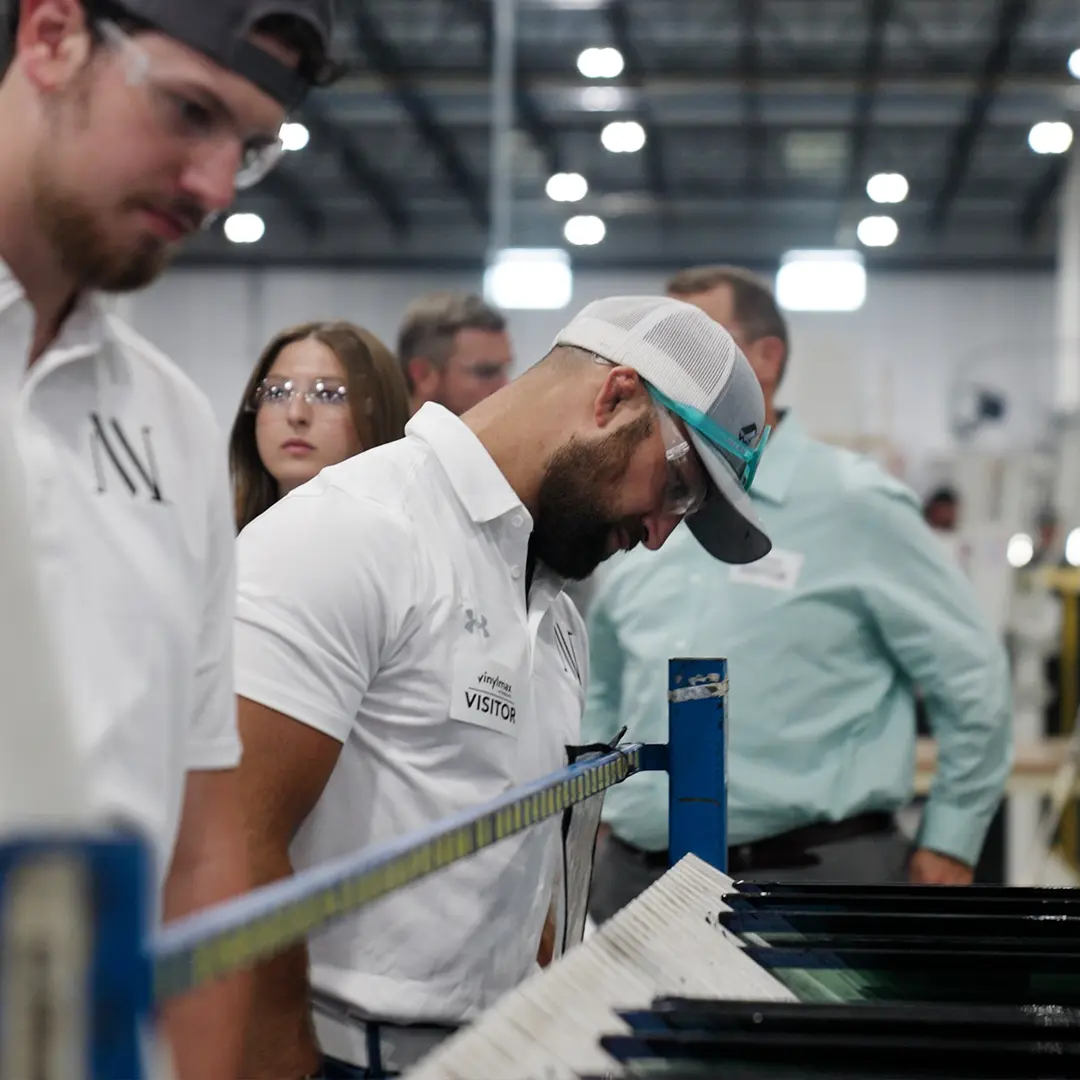
For properties in BLC-designated districts or individual landmarks, we initiate the historic design review pre-consultation process before placing your window order. We review the applicable commission guidelines for your specific district, identify compliant products that meet both historic requirements and Northern Climate Zone energy performance, and assist with the design review application. We advise submission at least three weeks before scheduled hearings per BLC guidance. Installation does not proceed until design review approval is received.

Step 3: Northern Climate Zone Glass Package Selection
We finalize your window style, frame material, and glass package. Every recommendation must meet Massachusetts's U-0.25 or below Northern Climate Zone threshold for ENERGY STAR certification and Mass Save rebate eligibility. We identify which products qualify for the Mass Save $75 per window rebate, the Mass Save HEAT Loan, and the federal 25C credit.
Step 4: Northern Climate-Rated Installation Day
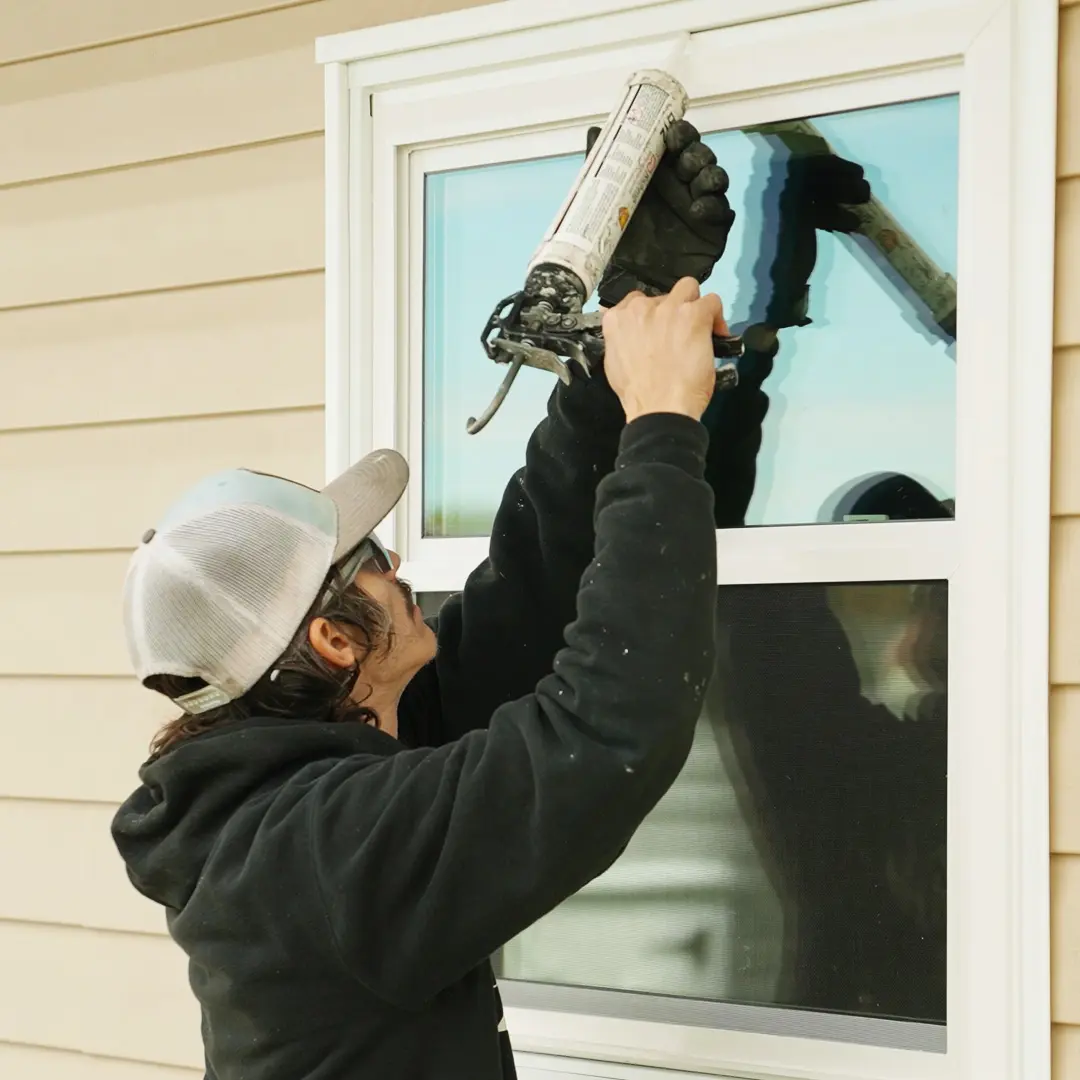
Our Massachusetts-licensed installation crew arrives with all tools, cold-climate flashing materials, winter-grade exterior sealants, and trim supplies. We remove existing windows, inspect each rough opening for the moisture damage and weatherstripping deterioration common in Boston's older housing stock, and install your new windows to manufacturer specifications and Massachusetts Stretch Code air-sealing requirements. Most standard Boston single-family or condo projects of 8 to 12 windows are completed in one day.

Step 5: Mass Save Documentation and Final Approval
We remove all debris, conduct a room-by-room walkthrough, and deliver NFRC labels, ENERGY STAR Northern Climate Zone certification documents, itemized receipts, Mass Save rebate application materials, BLC design review approval (where applicable), permit sign-off, and warranty materials. No payment until every window passes your personal approval.
Boston Window Installation Market Data for 2025
Here is what current market research from Boston, Suffolk County, and Massachusetts-specific sources shows for homeowners considering window installation in 2025.
$800 avg. | Average cost per window replacement in Massachusetts, above the national average of $600. Source: EcoWatch Massachusetts, February 2025 |
$400-$1,400 | Typical per-window cost range in Massachusetts depending on style, material, and frame. Source: EcoWatch Massachusetts, February 2025 |
$355-$489 | Majority of homeowners paid in this range per window (263 completed Boston projects, valid through Dec 2025). Source: Homeyou Boston, 2025 |
$4,982 std. | Standard window installation project cost in Boston based on completed local projects. Source: Homeyou Boston, 2025 |
$10,240 typical | Typical complete window replacement project cost in Boston (1.28x national multiplier, 10 windows). Source: Project Cost Atlas Boston, December 2025 |
$5,760-$17,920 | Project cost range for window replacement in Boston, MA. Source: Project Cost Atlas Boston, December 2025 |
$50-$200/hr | Boston window installation labor rate per hour. Source: Angi Boston, July 2025 |
Above nat. avg. | Boston costs run higher than the national average due to high cost of living and high contractor labor demand. Source: Angi Boston, July 2025 |
$20 + $10/1K | Massachusetts short-form permit cost: $20 base plus $10 per $1,000 of stated project cost for minor alterations. Source: Angi Boston, July 2025 |
Up to $75/win. | Mass Save rebate per qualifying ENERGY STAR Northern Climate Zone window. Source: Energy Rebate Hub, February 2026 |
$1,350+ total | Combined Mass Save and federal 25C credit savings on a qualifying 10-window Boston project. Source: Energy Rebate Hub, February 2026 |
U-0.25 or below | Massachusetts Northern Climate Zone ENERGY STAR requirement (stricter than all other markets in this series). Source: Energy Rebate Hub, February 2026 |
Up to 30% | Share of home heating and cooling energy lost through windows. Source: EcoWatch Massachusetts / U.S. DOE, 2025 |
Top 5 ROI | Window replacement ranks in the top 5 home improvement returns on investment in Boston. Source: Homeyou Boston, 2025 |
0% interest | Mass Save HEAT Loan for qualifying energy-efficient window installation in Massachusetts. Source: Mass Save / Energy Rebate Hub |
Window Installation Styles for Boston-Area Homes
Boston’s architectural history calls for a range of window profiles that span two and a half centuries of American residential design. Virtual View Windows installs every major window style, custom-ordered to your exact rough opening dimensions and appropriate for your home’s era.
The defining window type of Boston’s historic residential architecture from the Federal era through the Colonial Revival period. Both sashes operate independently and tilt inward for cleaning, which is critically practical in Boston’s attached rowhouses and brownstones where exterior window access requires working at height over sidewalks and parked vehicles. The double hung profile is the historically appropriate replacement for most Beacon Hill, Back Bay, South End, and Charlestown properties. Available in wood, wood-clad, and high-quality composites that satisfy historic district guidelines.
Crank-operated and side-hinged, casement windows create a compression seal that provides superior resistance to the wind-driven moisture infiltration that characterizes Boston’s nor’easter season. A strong choice for craftsman bungalows in Jamaica Plain, Brighton, and the suburban communities of Newton and Brookline. When open, casement windows capture the summer harbor breezes that make Boston genuinely comfortable from May through September.
Awning windows are top-hinged and open outward, providing ventilation during Boston’s frequent rain events without water infiltration. Hopper windows hinge at the bottom and are common in Boston’s garden-level and basement units, which are widespread throughout the South End and Back Bay’s English basement townhouse configurations. Both styles are available in Massachusetts Northern Climate Zone-qualifying glass packages.
Fixed-frame non-operable picture windows maximize natural light and views without air or moisture leakage. Particularly valued in Boston’s condominiums and modern townhouses in the Seaport, South Boston, and Midtown where views of the harbor, the Charles River, or the Boston skyline command premium pricing. Zero air infiltration makes picture windows the most energy-efficient style for any opening, significant in Massachusetts where every wasted BTU carries a premium price.
Bay windows projecting outward from the exterior wall are a defining architectural feature of Boston’s High Victorian brownstones in the South End and Back Bay, and of the Queen Anne three-family homes throughout Jamaica Plain and Roxbury. Bay window installation in Boston’s historic districts requires careful attention to BLC guidelines around the projecting bay roofline, flashing, and the configuration of panes and muntins within the bay assembly.
Boston’s Federal, Greek Revival, Italianate, and Colonial Revival homes contain round-top transoms, fanlight semicircles, decorative arched openings, and other specialty shapes that require custom manufacturing for architecturally appropriate replacement. Virtual View Windows sources specialty and historic-profile replacement windows including the ‘Proper Bostonian’ style profiles appropriate for Beacon Hill and Back Bay properties, with glass packages meeting Massachusetts Northern Climate Zone U-factor requirements.
Window Frame Materials for Boston's Cold Climate and Historic Neighborhoods
Frame material selection for Boston window installation must balance Massachusetts’s strict Northern Climate Zone energy performance requirements, potential Boston Landmarks Commission compliance, and the cold-climate durability demands of New England winters.
Wood: Boston's Historic Standard
Wood windows are the standard material for historically appropriate replacement in Boston’s Federal, Victorian, and Colonial Revival districts. The Boston Landmarks Commission, Cambridge Historical Commission, and other area historic commissions typically prefer wood or high-quality composites that convincingly replicate wood appearance. Window Authority’s 2025 analysis of Boston historic district requirements confirms that substitute materials may be considered if they match the appearance, profile, and dimensions of the historic material per the Cambridge Historical Commission’s guidelines. Custom wood and wood-composite profiles matching Beacon Hill profiles (typically painted black or Roxbury Russet) and South End brownstone profiles are available through Virtual View Windows. Cost runs from $600 to $900 or more per standard double hung window installed. In Northern Climate Zone specifications, wood frames with double-pane Low-E glass meeting U-0.25 or below qualify for both BLC approval and Mass Save rebate eligibility simultaneously.
Premium Vinyl: Boston's Non-Historic Value Standard
Premium vinyl dominates the Boston window installation market by volume for properties not subject to historic district review. Vinyl frames do not conduct cold the way aluminum does, maintain their dimensional stability through Boston’s freeze-thaw cycles reliably, and never require painting. EcoWatch documents the Massachusetts per-window average at $800, with vinyl double hung windows in the $400 to $600 installed range. Premium vinyl with Northern Climate Zone glass packages meets Massachusetts’s U-0.25 ENERGY STAR requirement. For Beacon Hill and Back Bay properties, vinyl is sometimes acceptable on rear or interior-courtyard elevations not visible from public rights of way, but BLC review is required to confirm applicability.
Fiberglass: Superior Cold-Climate Performance
Fiberglass frames maintain dimensional stability across Boston’s temperature range from minus 10-degree winter nights to 90-degree July afternoons, a range that is demanding enough to stress lower-grade vinyl frames over time. Fiberglass accepts exterior paint in any specified color including historically appropriate dark tones for Beacon Hill properties, making it potentially acceptable to some local historic district commissions as a substitute material that matches the profile and appearance of historic wood. Fiberglass with Northern Climate Zone glass packages meets Massachusetts’s U-0.25 ENERGY STAR threshold. Cost runs approximately $650 to $1,200 per window installed in the Boston market.
Glass Package for Massachusetts Northern Climate Zone
Massachusetts requires the strictest glass performance specification of any market in this series. Here are the targets that qualify for Mass Save rebates and Massachusetts code compliance:
- U-Factor: 0.25 or below required for ENERGY STAR Northern Climate Zone certification and Mass Save rebate qualification. This is stricter than requirements in Chicago (0.27), Billings (0.32), Portland (0.30), and every other market in this series.
- Solar Heat Gain Coefficient: 0.40 or below for Massachusetts Northern Climate Zone. A higher SHGC is preferred in Massachusetts for passive solar gain during Boston’s long heating season.
- Low-E Coating: Standard on all energy-efficient Boston installations. Reduces winter radiant heat loss and protects interior finishes from UV degradation.
- Argon Gas Fill: Standard between panes on all qualified products.
- Triple-Pane Glass: U-factor as low as 0.15. Recommended for Boston homes near the Red Line, Green Line, Orange Line, or Commuter Rail corridors for combined thermal and noise performance. Also recommended for any property within the Fenway or near major Boston arterials.
What Boston's New England Climate and Diverse Housing Stock Demand from Window Installation
Boston’s window installation market sits at the intersection of three realities that no other city in this series combines at this intensity: extreme cold-climate energy costs, one of the nation’s most active historic preservation programs, and a housing stock so architecturally diverse that the same window company must be competent across Federal rowhouses, Victorian brownstones, New England triple-deckers, and modern condos within a few city blocks.
Massachusetts Energy Costs and the Window Performance Imperative
Massachusetts ranks fourth in the nation for energy cost per kilowatt-hour, making heat loss through windows a financial issue at a scale that most other markets in this series do not face. EcoWatch’s 2025 Massachusetts window analysis confirms that since heat gain and loss through windows can represent up to 30 percent of a home’s energy used for heating and cooling, replacing aging or damaged windows is a critical step for Boston homeowners facing some of the highest utility rates in the country. Every Massachusetts homeowner replacing windows in 2025 is operating in a market where the financial return on efficient window installation is higher than in almost any other state in the series.
Massachusetts Stretch Code and the Northern Climate Zone Requirement
Massachusetts has adopted one of the most rigorous residential energy codes in the nation. The Massachusetts Stretch Code, updated to its 10th edition effective October 11, 2024, sets minimum energy performance standards for residential construction and renovation. For window installation in the Greater Boston area, Boston adopted the Stretch Code, which requires higher energy performance than Massachusetts’s base code. Mass Save and ENERGY STAR both require Northern Climate Zone certification for qualifying windows in Massachusetts, which mandates a U-factor of 0.25 or lower and SHGC of 0.40 or lower per the Energy Rebate Hub’s 2025 analysis. This U-factor threshold of 0.25 is stricter than the requirements in every other market covered in this series.
New England Nor'easters and Moisture Infiltration
Boston’s winter and early spring nor’easter season brings sustained periods of wind-driven snow, sleet, and freezing rain that test window frame seals and weatherstripping from angles that most window installers in inland markets do not encounter. When a nor’easter drives moisture horizontally across the Fenway or through the streets of the South End, windows on the north and east elevations of Boston homes face simultaneous cold, wind pressure, and moisture infiltration stress. Comprehensive rough opening air sealing, exterior flashing at every window perimeter, and warm-edge spacer systems that protect double-pane seals against moisture-driven condensation are not optional specifications for Boston window installation. They are the baseline that separates installations that hold up through New England winters from ones that fail within ten years.
Boston's Architectural Range and Window Installation Complexity
Boston’s housing stock spans more distinct residential architectural types than almost any other city in this series. The Federal and Greek Revival rowhouses of Beacon Hill, constructed from the 1790s through the 1840s, require window profiles completely different from the High Victorian Italianate brownstones of the South End (1850s-1880s) or the Queen Anne and Colonial Revival three-family triple-deckers common across Somerville, Jamaica Plain, and Dorchester (1880s-1920s). Each architectural period demands different window replacement profiles, different rough opening depths, and in many cases different treatment by the Boston Landmarks Commission or one of Boston’s ten local historic district commissions.
Window Installation Across Boston's Historic Housing Types
No other city in this series presents the window installation company with as many distinct housing types, each with its own architectural requirements, permit pathway, and historic district applicability. Here is how window installation considerations differ across Boston’s major residential housing categories.
Housing Type | Window Installation Context | Key Requirements |
Federal and Greek Revival Rowhouse (Beacon Hill, 1790s-1840s) | Beacon Hill Historic District (est. 1955) covers most of these properties. Windows are narrow, multi-pane double hung with specific muntin profiles. | BLC design review required. Dark sash colors (black or Roxbury Russet) per Beacon Hill guidelines. Wood or high-quality wood-replicating composite. Short-form permit for like-for-like. |
Victorian Brownstone (South End, Back Bay, 1850s-1880s) | South End Landmark District (1983) and Back Bay Architectural District (1966) cover most of these properties. Larger window openings, decorative crowns, elaborate surrounds. | Commission design review required. Maintain original window configuration (number of panes, muntin thickness, glass area). Professional heritage documentation required for altered openings. Full permit if egress changes. |
New England Triple-Decker (Somerville, JP, East Boston, Dorchester, 1880s-1920s) | Three-story wood-frame multi-family typically not in historic districts but Massachusetts HIC + CSL required for all units. Multiple ownership or landlord-tenant coordination typical. | Short-form permit standard. HIC + CSL required. Upper-floor staging typically needed for exterior installation. Mass Save rebates available per unit if owner-occupied qualifying criteria met. |
Colonial, Cape Cod, and Craftsman (Newton, Brookline, Wellesley, 1920s-1960s) | Suburban municipalities have their own historic commissions. Newton, Brookline, and Cambridge each have separate historic district regulations independent of Boston’s BLC. | Confirm correct historic commission jurisdiction for your municipality. Each town’s guidelines may differ from Boston’s BLC. HIC + CSL required throughout Greater Boston for all window installation work valued over $1,000. |
Modern Condo (Seaport, South Boston, Midtown, 2000s-present) | Typically not in historic districts. Condo association architectural review may apply. Building management coordination required for exterior-facing work. | Condo association approval before ordering. Short-form permit for like-for-like. Mass Save rebates may apply to qualifying owner-occupied units. Northern Climate Zone glass performance required for Massachusetts code compliance. |
Window Installation Cost in Boston, Massachusetts
Window installation in Boston runs above the national average due to the city’s high cost of living and high demand for skilled contractor labor per Angi Boston’s July 2025 analysis. Project Cost Atlas applies a 1.28x national multiplier to Boston projects based on December 2025 data. Here are current benchmarks from multiple Boston and Massachusetts-specific sources.
Window Type and Material | Low (Installed) | High (Installed) |
Standard vinyl double hung (Boston market) | $400 | $600 |
Average per window (Massachusetts) | $800 | $1,200 |
Standard double hung (263 Boston projects) | $355 | $489 |
Fiberglass double hung | $650 | $1,200 |
Wood double hung (non-historic) | $600 | $900 |
Historic-compliant wood or composite (Beacon Hill, South End) | $900 | $2,500+ |
Casement window (vinyl or fiberglass) | $550 | $1,100 |
Bay Window (Victorian brownstone) | $1,400 | $5,500+ |
Picture window (vinyl) | $350 | $900 |
Triple-pane upgrade (add per window) | +$150 | +$500 |
Custom / arched / fanlight / specialty | $700 | $3,000+ |
Whole-Home Window Installation Estimates for Boston-Area Homes
Project Scope | Low Estimate | High Estimate |
8 windows, standard condo (vinyl) | $3,200 | $5,600 |
10 windows, Boston home (vinyl, standard) | $4,982 | $8,000 |
10 windows, typical Boston project estimate | $10,240 | $10,240 |
15 windows, triple-decker (vinyl) | $5,800 | $9,000 |
Full project, Boston range (Dec 2025) | $5,760 | $17,920 |
Historic brownstone (10 windows, wood-clad) | $9,000 | $20,000+ |
Key Cost Factors for Boston Window Installation
- Above-national-average labor: Boston construction labor runs $50 to $200 per hour per Angi. Project Cost Atlas applies a 1.28x multiplier to Boston projects vs. national baseline.
- Northern Climate Zone glass: Massachusetts’s U-0.25 or below requirement is the strictest in this series. Qualifying products carry a premium over standard double-pane but are required for code compliance and Mass Save rebate eligibility.
- Historic compliance: BLC and local historic district design review, historic-compliant materials, and professional documentation add both time and cost for designated properties.
- Housing type complexity: Triple-decker upper floors, brownstone bay windows, and high-rise condos add staging and coordination cost beyond standard single-story installation.
- Permit fees: Short-form permit is $20 plus $10 per $1,000 of stated project cost per Angi Boston. A $10,000 project carries approximately $120 in permit fees.
Mass Save Rebates, Federal Credits, and Massachusetts Energy Incentives
Massachusetts homeowners have access to one of the most generous sets of residential energy incentive programs in the country, making the net cost of qualifying window installation significantly lower than the sticker price suggests. Here is the complete 2025 picture for Greater Boston homeowners.
Mass Save Window Rebates ($75 Per Window)
Mass Save, the Massachusetts energy efficiency program administered by the state’s electric and gas utilities (Eversource, National Grid, Unitil, and others), offers a rebate of up to $75 per qualifying ENERGY STAR-certified replacement window. To qualify, windows must earn ENERGY STAR Northern Climate Zone certification, which requires a U-factor of 0.25 or below and SHGC of 0.40 or below per Energy Rebate Hub’s February 2026 analysis. For a 10-window Boston project, the Mass Save rebate totals $750 in direct cash savings. The rebate application requires your utility account information, paid invoice, ENERGY STAR documentation, and NFRC labels. Virtual View Windows provides all required Mass Save rebate documentation at project completion.
Mass Save HEAT Loan (0% Interest Financing)
Mass Save also offers the HEAT Loan program, which provides 0% interest financing for qualifying energy-efficient home improvements including window installation. Massachusetts homeowners who qualify can finance up to $50,000 in energy improvement work at zero percent interest through a participating Mass Save lender, making project financing effectively cost-free for the loan term. This is one of the most favorable project financing programs documented in this series. Contact your Mass Save utility provider or visit masssave.com to check current HEAT Loan availability and qualifying contractor requirements.
Combined Mass Save Plus Federal 25C Credit: $1,350+ Per 10-Window Project
Energy Rebate Hub’s February 2026 analysis documents that combining Mass Save and the federal 25C credit on a qualifying 10-window Boston installation yields $1,350 or more in combined savings: $750 from Mass Save ($75 per window x 10 windows) plus $600 from the federal Energy Efficient Home Improvement Credit (30 percent of remaining installed cost, up to $600). These are separate programs with separate funding and separate application processes. Virtual View Windows documents both streams for every qualifying project.
Federal Energy Efficient Home Improvement Credit (25C)
For window installations completed in 2025, Boston homeowners may claim the 25C credit: 30 percent of installed costs for qualifying ENERGY STAR windows, up to $600 per year. File on IRS Form 5695 with your 2025 federal tax return. Virtual View Windows provides NFRC labels, ENERGY STAR product documentation, and itemized receipts for all qualifying window installations. Note: The 25C credit status for 2026 installations should be confirmed with a tax professional as of the date of your project, as congressional action may affect availability.
Massachusetts Historic Rehabilitation Tax Credit
Boston homeowners with properties in certified historic districts who undertake substantial rehabilitation may qualify for the Massachusetts Historic Rehabilitation Tax Credit of up to 20 percent of qualifying project costs, administered through the Massachusetts Historical Commission. This state tax credit applies to projects that meet the Secretary of the Interior’s Standards for Rehabilitation and receive Massachusetts Historical Commission certification. For Beacon Hill, Back Bay, and South End historic property owners undertaking substantial window rehabilitation alongside other structural work, this credit can significantly offset total project costs. Consult a Massachusetts tax professional for current eligibility requirements.
Mass Save Home Energy Assessment
Before scheduling any window installation, Boston homeowners are strongly encouraged to schedule a no-cost Mass Save Home Energy Assessment. The assessment identifies qualifying improvements, confirms Mass Save rebate eligibility, prioritizes work for maximum energy savings, and may identify additional no-cost improvements (air sealing, LED lighting) available during the assessment visit. Schedule through masssave.com or call 1-800-632-8300.
Why Boston-Area Homeowners Choose Virtual View Windows
Boston’s window installation market is competitive, and not every company holding itself out as a Boston-area window installer maintains both required Massachusetts credentials, understands Mass Save’s Northern Climate Zone qualifying criteria, or has navigated the Boston Landmarks Commission’s review process for Beacon Hill or South End properties.
Massachusetts HIC Registration and CSL Compliance
Virtual View Windows holds both the Massachusetts HIC Registration and the Construction Supervisor License required by state law for window installation work. Both registration numbers appear on your project contract as required by Massachusetts law. Our HIC registration connects you to the Massachusetts Guaranty Fund protection of up to $25,000. Verify our credentials at mass.gov/hic before any contract is signed.
Lifetime Warranty for New England's Climate Demands
Every Virtual View Windows project in Greater Boston carries a lifetime warranty on both the installed product and our workmanship. New England winters, nor’easters, and the persistent moisture of the Massachusetts coast test every window installation over time. Our warranty holds through those tests without a New England weather exclusion.
Mass Save and Northern Climate Zone Product Specification
Every window installation Virtual View Windows specifies for a Boston-area project meets Massachusetts’s Northern Climate Zone ENERGY STAR performance requirement: U-factor of 0.25 or below and SHGC of 0.40 or below. This specification is stricter than the requirements in any other market covered in this series. We provide the NFRC documentation, ENERGY STAR certification, and product receipts required for both the Mass Save $75 per window rebate and the federal Energy Efficient Home Improvement Credit at project completion.
Boston Landmarks Commission Navigation
Virtual View Windows is familiar with the Boston Landmarks Commission design review process and the guidelines of Boston’s ten local historic district commissions. We initiate the historic review pre-consultation process before placing any window order for designated properties. We guide product selection that satisfies BLC guidelines for material, configuration, glass area, and color while meeting Massachusetts Northern Climate Zone energy performance requirements simultaneously. We submit design review applications and assist homeowners in preparing for commission hearings.
Massachusetts Stretch Code Compliance
Boston adopted the Massachusetts Stretch Code, which since October 2024 operates under the 10th edition of the Massachusetts building code. Every window installation Virtual View Windows performs in the Greater Boston area meets Massachusetts Stretch Code energy performance requirements. We confirm code compliance for every product before your order is placed.
Written Estimates Without High-Pressure Sales
Boston-area homeowners have a documented awareness of high-pressure window sales practices. Virtual View Windows provides accurate written estimates without in-home sales presentations or same-day decision demands. No payment until every window is installed and approved by you.
Massachusetts HIC Registration, CSL, and Boston Building Permits
Massachusetts has one of the most clearly defined contractor registration and permit frameworks for residential window installation of any state in this series. Understanding these requirements protects Boston homeowners legally and financially.
Massachusetts HIC Registration and CSL License Requirements
Massachusetts law requires that any contractor performing residential improvement work valued at $1,000 or more must be registered as a Home Improvement Contractor (HIC) with the Massachusetts Office of Consumer Affairs and Business Regulation (OCABR). The Boston.gov city guide for Home Improvement Contractors confirms that the HIC law provides consumer protections including access to the Guaranty Fund, which may compensate homeowners up to $25,000 for unpaid judgments against registered contractors.
Additionally, Massachusetts requires a Construction Supervisor License (CSL) for window installation work beyond ordinary repairs. Boston’s city chart specifically lists window and siding installation as requiring both CSL and HIC guaranty fund compliance. The CSL is administered by the Massachusetts Office of Public Safety and Inspections, separate from the HIC registration through OCABR. Hiring a window installation contractor who lacks either credential exposes you to legal liability and disqualifies you from Guaranty Fund protection.
Building permits and advertising for residential contracting must display the active HIC registration number. Angi Boston specifically documents that your contractor should be registered with the state of Massachusetts as a Home Improvement Contractor to guarantee consumer protections. Virtual View Windows holds both the required Massachusetts HIC registration and CSL. Our registration numbers are available on request and verifiable at mass.gov/hic.
Boston Building Permit Requirements
Massachusetts building code requires permits for alterations to existing buildings, including new window installation. Angi Boston documents that minor replacements that will not change the use, egress, or living space of a building require a short-form permit costing $20 plus $10 for every $1,000 of the stated project cost. A 10-window project valued at $8,000 would therefore carry a short-form permit fee of approximately $100. Projects that alter window size, affect egress, or involve structural changes require a full building permit from the City of Boston’s Inspectional Services Department. Virtual View Windows determines the correct permit type for your project and handles the application.
Boston Landmarks Commission and Local Historic District Commissions
The Boston Landmarks Commission (BLC) and Boston’s ten local historic district commissions regulate exterior changes to properties within their jurisdictions, including window installation and replacement. Boston’s historic districts include Historic Beacon Hill (established 1955, expanded through 2024), Back Bay Architectural District (established 1966), South End Landmark District (1983), Fort Point Channel Landmark District (2009), Aberdeen Architectural Conservation District (2002), Bay Village Historic District (1983), and others. The BLC advises that applications for design review should be submitted at least three weeks before scheduled hearings.
According to Window Authority’s 2025 analysis of Boston’s historic district requirements, historic district commissions review proposed window changes for material compliance (wood or high-quality composites that replicate wood appearance are typically preferred), window configuration (number of panes, muntin thickness, overall sash design), glass area consistency with original windows, and color compatibility. Beacon Hill’s guidelines specifically state that window sashes should be painted dark colors, usually black or Roxbury Russet, to maintain the district’s architectural character. Virtual View Windows guides Boston homeowners through the historic district design review process and assists with product selection that satisfies both commission requirements and Massachusetts energy performance standards.
Frequently Asked Questions About Window Installation in Boston, Massachusetts
How much does window installation cost in Boston, Massachusetts?
Window installation in Boston averages $800 per window in Massachusetts, above the national average of $600, per EcoWatch’s February 2025 analysis. Homeyou’s data from 263 completed Boston projects shows most homeowners paying $355 to $489 per window, with a standard project cost of $4,982. Project Cost Atlas applies a 1.28x national multiplier to Boston, producing a typical 10-window project estimate of $10,240 with a range of $5,760 to $17,920. Historic-compliant wood or composite windows for Beacon Hill or Back Bay properties cost significantly more. Labor runs $50 to $200 per hour per Angi Boston. A short-form permit for minor replacements costs $20 plus $10 per $1,000 of stated project cost. Virtual View Windows provides free written estimates with no payment until every window is approved.
Do Massachusetts window installation companies need special licensing?
Yes. Massachusetts requires window installation contractors to hold two separate credentials: a Home Improvement Contractor (HIC) Registration with the Massachusetts Office of Consumer Affairs and Business Regulation (OCABR), and a Construction Supervisor License (CSL) from the Massachusetts Office of Public Safety and Inspections. Both are required for window and siding installation work. The HIC registration connects homeowners to the Massachusetts Guaranty Fund, which may compensate up to $25,000 for unpaid judgments against registered contractors. Building permits and contracts must display the active HIC registration number. Verify any contractor’s credentials at mass.gov/hic before signing any agreement. Virtual View Windows holds both required Massachusetts credentials, and both registration numbers appear on every project contract.
What ENERGY STAR specifications are required for Mass Save window rebates in Boston?
Mass Save rebates of up to $75 per window require ENERGY STAR Northern Climate Zone certification. For Massachusetts, this means the replacement window must have a U-Factor of 0.25 or below and a Solar Heat Gain Coefficient of 0.40 or below per Energy Rebate Hub’s February 2026 analysis. This is the strictest U-factor requirement of any market in this series. Every qualifying window will carry an NFRC label documenting its U-Factor and SHGC. Keep the NFRC label for both the Mass Save rebate application and the federal 25C tax credit claim. Virtual View Windows specifies only Northern Climate Zone qualifying products and provides all required Mass Save rebate documentation at project completion.
Do Boston historic district properties require special approval for window installation?
Yes. Properties within Boston Landmarks Commission jurisdictions, including Beacon Hill (established 1955), Back Bay Architectural District (1966), South End Landmark District (1983), Bay Village (1983), and Fort Point Channel (2009), require design review approval from the applicable commission before exterior window changes can proceed. Applications should be submitted at least three weeks before scheduled hearings per BLC guidance. Commissions evaluate frame material, window configuration (number of panes, muntin profile, glass area), and color. Beacon Hill guidelines specify dark sash colors, typically black or Roxbury Russet. Virtual View Windows guides Boston homeowners through the design review process for all designated properties and assists in identifying products that satisfy both commission requirements and Massachusetts Northern Climate Zone energy standards.
What Massachusetts energy rebates are available for window installation in Boston?
Boston homeowners have access to multiple 2025 incentive programs: Mass Save offers up to $75 per qualifying ENERGY STAR Northern Climate Zone window (U-0.25 or below), totaling $750 for a 10-window project. The Mass Save HEAT Loan provides 0% interest financing for qualifying energy improvements including windows, up to $50,000. The federal 25C Energy Efficient Home Improvement Credit adds 30 percent of installed costs, up to $600 per year, for qualifying 2025 installations. Combined, a qualifying 10-window Boston project can capture $1,350 or more in rebates and credits per Energy Rebate Hub’s February 2026 analysis. The Massachusetts Historic Rehabilitation Tax Credit (up to 20% of qualifying rehabilitation costs) is available for certified historic property owners. The Mass Save HEAT Loan and rebates require a participating contractor. Schedule a no-cost Mass Save Home Energy Assessment at masssave.com before your project.
Boston Neighborhoods and Greater Boston Communities We Serve
Virtual View Windows provides window installation near you and window services near you throughout Boston and the Greater Boston metro. Our service area includes:
- Boston neighborhoods: Beacon Hill, Back Bay, South End, Fenway, Kenmore, Allston, Brighton, Jamaica Plain, Roxbury, Dorchester, South Boston, East Boston, Charlestown, North End, Seaport
- Inner suburbs: Cambridge, Somerville, Brookline, Watertown, Newton, Waltham, Medford, Malden, Everett
- North Shore: Lynn, Salem, Beverly, Peabody, Marblehead, Gloucester, Swampscott
- South Shore and MetroWest: Quincy, Milton, Braintree, Framingham, Natick, Needham, Wellesley, Norwood
Unsure whether we serve your address? Contact us and we confirm coverage within one business day.
