
Virtual View Windows
Window Installation Denver, CO
Window Installation in Denver, Colorado Built for 5,280 Feet and Four Real Seasons
Denver sits at 5,280 feet above sea level, and that elevation changes everything about how windows perform and how they must be installed. At altitude, the air pressure differential between a factory-sealed insulating glass unit and the outside atmosphere can cause standard glass units to bow, warp, or fail prematurely unless they are pressure-equalized for high elevation. Denver’s UV intensity at altitude is measurably higher than at sea level, degrading frame materials and seals faster than in lower-elevation markets. Add 300 days of sunshine, intense summer hailstorms, and winter temperature swings that can drop from 65 degrees to below zero in a single day, and Denver’s window installation requirements are genuinely distinct from every other major American city. Virtual View Windows provides professional window installation near you throughout Denver and the Front Range, with certified crews, high-altitude rated product lines, and a process designed to deliver installations that perform at 5,280 feet for decades.
The financial and regulatory case for acting on window installation in Denver is backed by specific and current market data. Colorado recently passed a law requiring all new or replacement residential windows in homes three stories or lower to be Energy Star-rated, effective January 2026. That mandate means Denver homeowners who install windows in 2025 are ahead of the requirement; those who wait until 2026 must meet it by law. The average cost of window installation in Denver is $600 per window according to Angi data from real completed projects, with most homeowners replacing 8 to 12 windows spending $4,800 to $7,200 total. New window installation returns 65 to 75 percent of project cost at resale in Denver according to local market data, and replacing single-pane windows with quality double-pane low-E units typically reduces heating and cooling costs by 15 to 25 percent in Denver’s climate.
Our Window Installation Process in Denver, Colorado
Virtual View Windows follows a transparent five-step process on every Denver project so homeowners always know exactly what is happening and what comes next.
Step 1: Free In-Home Consultation with Altitude Assessment
We visit your Denver home and evaluate every window for performance, frame condition, altitude-related glass stress indicators (bowed glass, clouded IG units, seal failure), and hail or UV damage. We identify whether your home falls in a Denver HOA or historic district with additional approval requirements. No fee, no pressure, no commitment required.
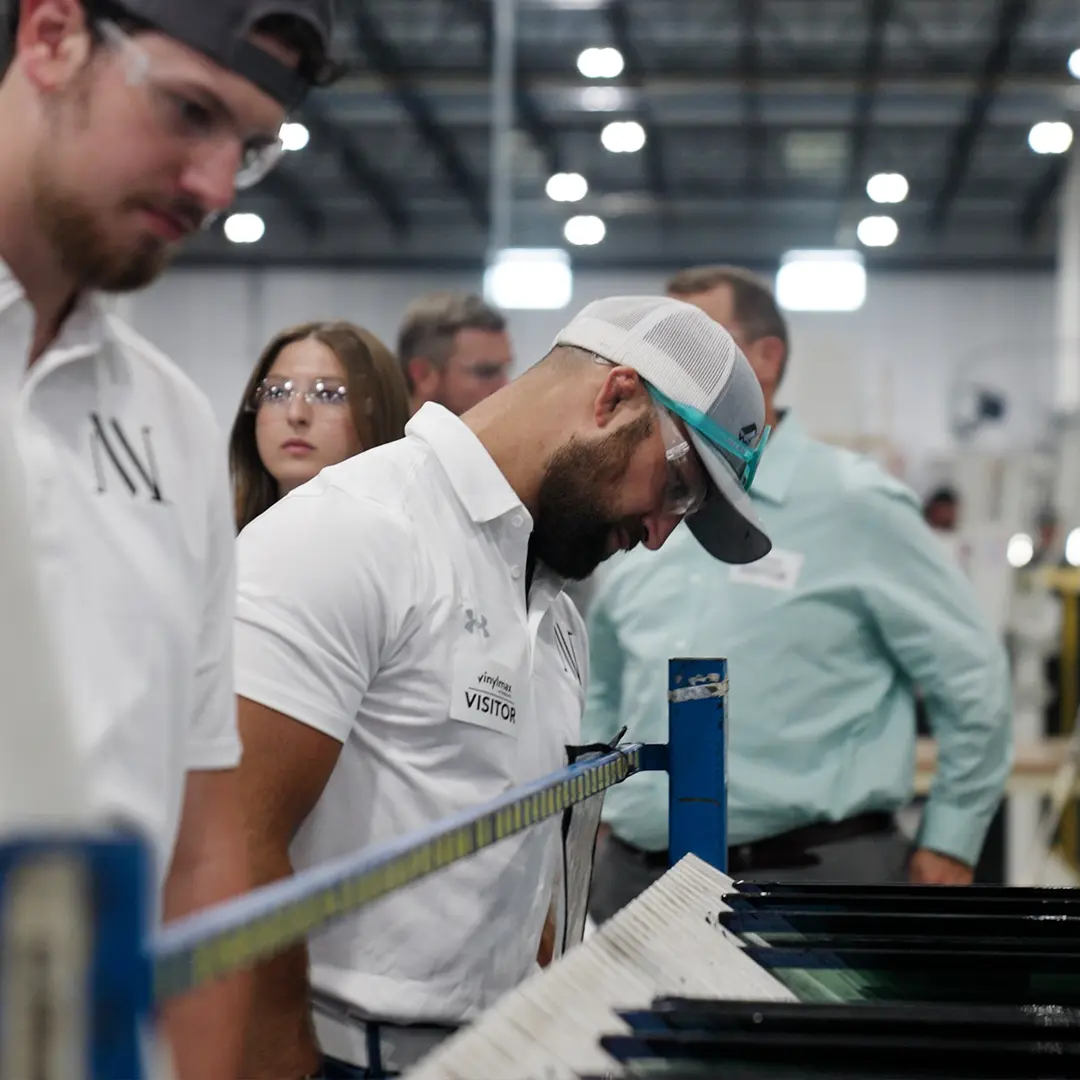
Step 2: Written Itemized Estimate
You receive a detailed written estimate covering every cost element: frame materials, altitude-compensated glass package, labor, Denver or suburban municipality permit fees, old window removal and debris disposal, and Colorado sales tax. We identify all Energy Star qualifying products, Xcel Energy rebate eligible units, and federal Energy Efficient Home Improvement Credit qualifying items. The final invoice matches the estimate exactly.

Step 3: Product Selection, Altitude Specification, and Permit Filing
We finalize window styles, frame material, and altitude-compensated insulating glass specifications. We confirm Xcel Energy or EnergySmart Colorado rebate eligibility and complete any pre-installation documentation required. We file permit applications with the City and County of Denver or the applicable Front Range municipality and obtain all approvals before scheduling installation.
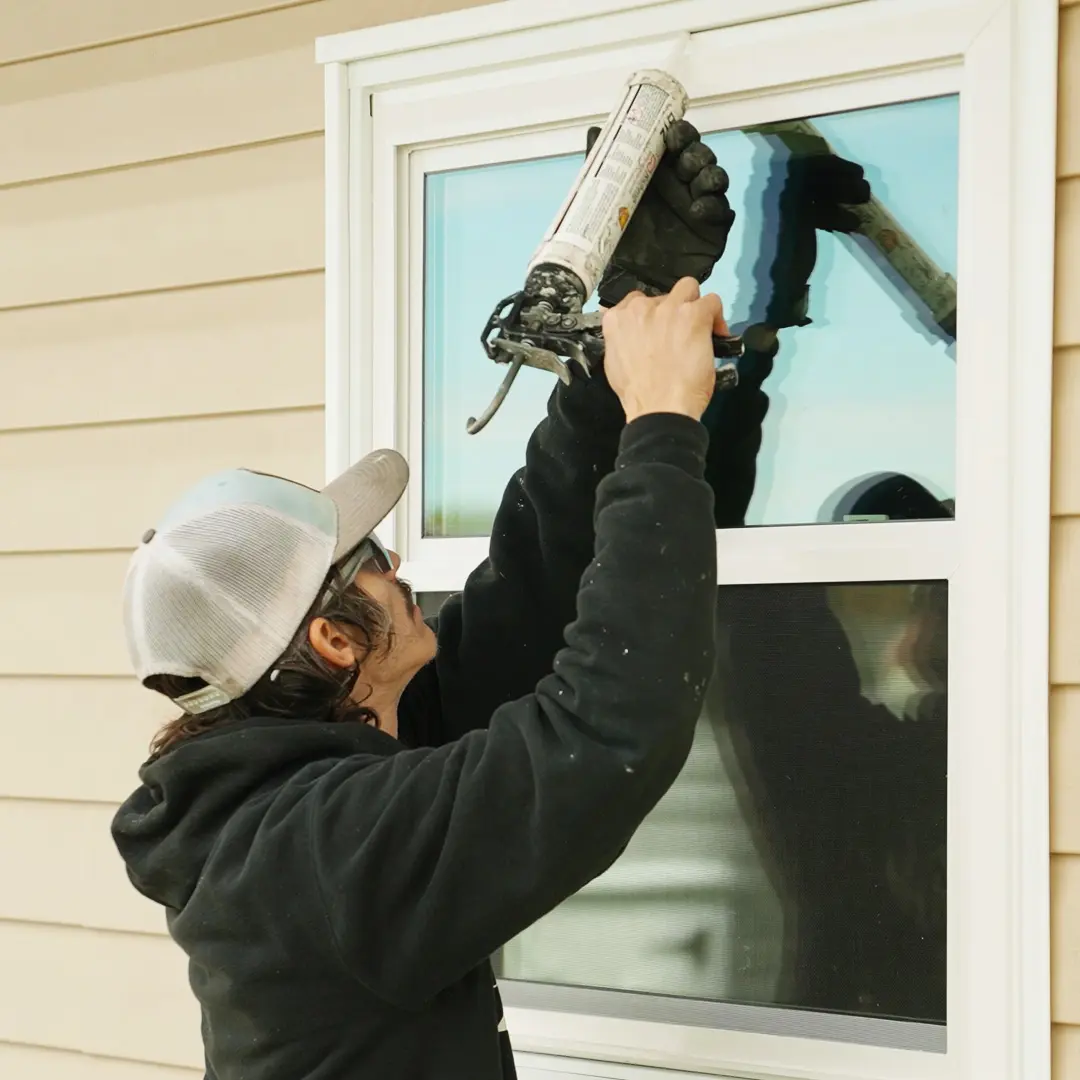
Step 4: Professional High-Altitude Installation
Our Denver city-licensed crew arrives on schedule. We install altitude-compensated IG units according to manufacturer specifications for Denver's elevation, complete full perimeter air sealing and flashing to Colorado residential building code, protect interior surfaces and manage all debris removal. Most standard Denver residential projects complete in one to two days.
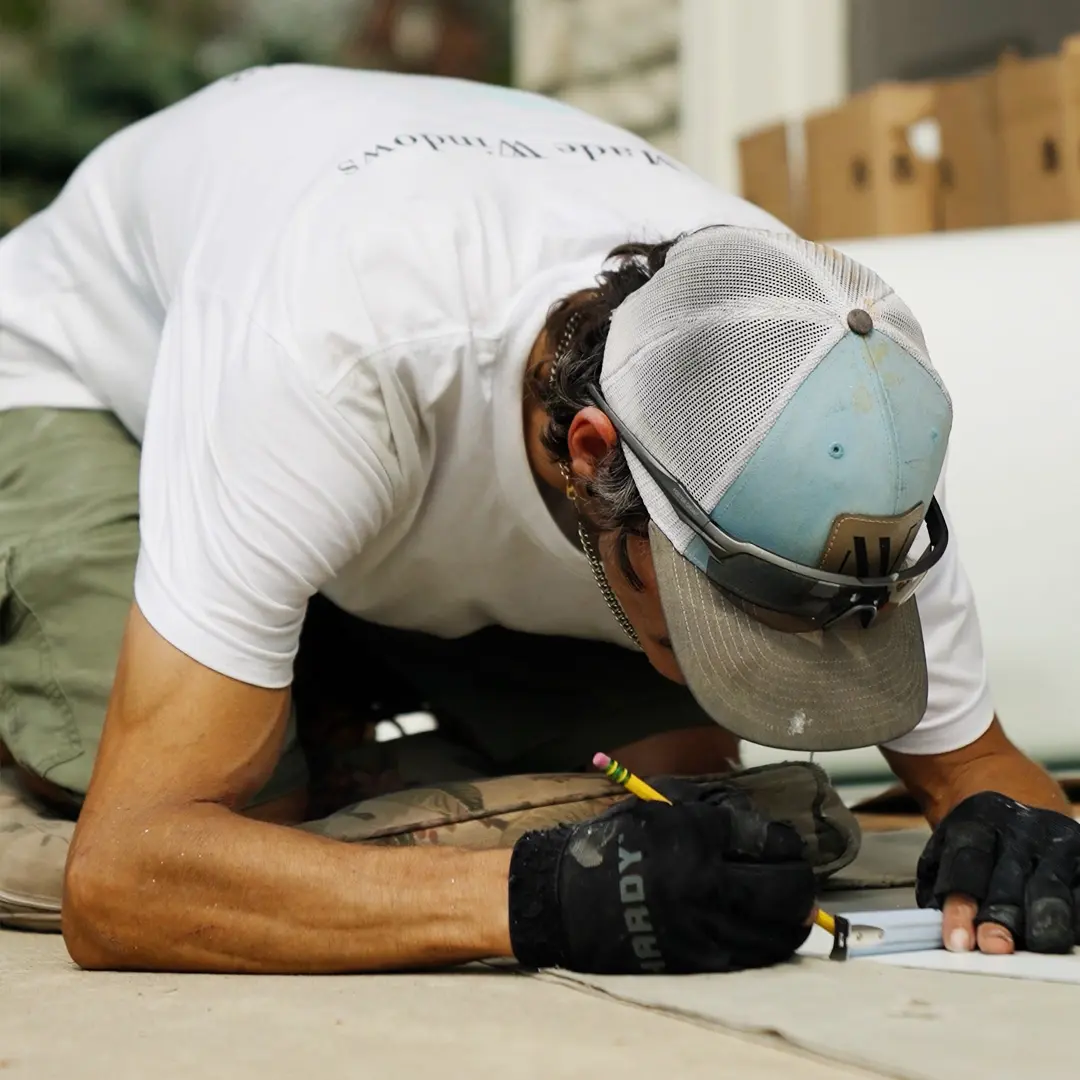
Step 5: Inspection Sign-Off, Warranty, and Incentive Closeout
We coordinate the building inspection and obtain required sign-off for your project file. We perform a complete operational check on every installed window with you present and hand over your complete warranty packet. We provide federal tax credit documentation and submit any applicable Xcel Energy or EnergySmart Colorado rebate applications on your behalf.
Why Denver Homeowners Choose Virtual View Windows for Window Installation Near You
Virtual View Windows is a locally operated window installation company serving Denver and the Front Range with Denver city-licensed installation crews who are full-time employees, not subcontractors. Colorado has no state-level contractor licensing requirement, but Denver requires contractors performing permitted work to hold a current city-issued license. Our Denver city contractor license is current, insured, and available for verification. When you contact us, you speak directly with the team that will assess your home, specify products rated for Denver’s elevation and climate, manage your permit where required, and complete your installation.
Denver’s residential housing stock is architecturally diverse and spans nearly a century of construction. The brick bungalows and Victorian homes of Capitol Hill, Congress Park, and Washington Park carry non-standard opening sizes and period framing that require careful installation technique. The Mid-Century and ranch homes of Stapleton, Montbello, and Northglenn reflect their era’s framing conventions. The newer construction of Highlands Ranch, Parker, Centennial, and Castle Rock presents modern building standards but still requires high-altitude specific product specifications that a locally experienced company applies correctly. Virtual View Windows has worked across every construction period and neighborhood type common to the Denver metro and brings that Front Range installation expertise to every consultation.
High altitude introduces a specific product specification that is non-negotiable in Denver and that many nationally positioned window companies apply inconsistently. Standard insulated glass units are sealed at the factory with the air or gas fill at the ambient pressure of the manufacturing location, typically at or near sea level. When those units are installed at Denver’s 5,280-foot elevation, the external air pressure is lower, creating an inward pressure differential that causes the glass to bow outward. Over time, this bowing stresses the edge seal, accelerates seal failure, and can cause glass breakage. The correct solution is windows with pressure-equalized insulating glass units, sometimes called capillary tube or altitude-compensated IG units, that are designed specifically for high-elevation installation. Virtual View Windows specifies only altitude-appropriate insulating glass on every Denver project.
Window Styles for Every Denver Home
Denver’s residential neighborhoods span Victorian and brick bungalows of Capitol Hill and Washington Park, Mid-Century and ranch homes of Stapleton and Northglenn, and contemporary new builds of Highlands Ranch, Parker, and Castle Rock. Virtual View Windows carries every residential window style to serve every architectural era, every room function, and every Denver altitude and climate performance requirement.
Both sashes operate and tilt inward for interior cleaning. The most widely installed configuration across the Denver metro. Must specify altitude-compensated insulating glass units and UV-stabilized frames for Denver’s elevation and radiation environment. Cost $300 to $700 installed for vinyl.
Side-hinged and crank-operated. Casements form a tight compression seal when closed, making them the most air-infiltration-resistant operable window style for Denver’s sudden cold snaps and mountain wind events. Recommended for west and north-facing rooms that see the most temperature variation.
Operate on a horizontal track. Popular in Denver’s ranch-style and contemporary homes for wide openings. Specify enhanced weatherstripping for Denver’s wind conditions. Cost $300 to $1,000 installed.
Fixed glass panels that eliminate air leakage and are the most energy-efficient window style available. Excellent candidates for south-facing walls to capture passive solar gain during Denver’s 300 days of sunshine, reducing winter heating loads. Low-E glass manages summer solar heat gain while preserving visible light.
Multi-panel projecting configurations popular in Denver’s Victorian and Colonial homes. Cost $1,500 to $4,000. Require altitude-compensated glass in every panel and careful head and sill flashing for Colorado’s hail and wind exposure.
Top-hinged and opening outward. Allow ventilation during Denver’s afternoon thunderstorms while keeping moisture out. Good for bathrooms, above kitchen counters, and in combination with picture windows.
Hopper Windows
Bottom-hinged and tilting inward. Standard for basement utility spaces, particularly relevant in Denver where finished basements are extremely common in the housing stock.
Window Services Near You Across Denver, Colorado
Virtual View Windows provides the full range of residential window installation services Denver homeowners need, from single-window upgrades to complete whole-home projects.
New Construction Window Installation
New construction and addition projects in the Denver metro require windows to be set into fresh rough openings with proper framing, flashing, and weatherproofing appropriate for Colorado’s climate and Denver’s elevation. Our new construction installation service covers full rough opening preparation, altitude-compensated insulating glass product specification, flashing and weatherproofing to Colorado residential building code standards, and coordination with general contractors and custom home builders across the Denver metro. We manage building permits with the City and County of Denver and the applicable suburban municipality for every permitted scope and schedule all required inspections to ensure first-pass compliance.
Full-Frame Window Installation Near You
Full-frame installation removes the entire existing window assembly to the rough opening. It is required when frames show rot, moisture damage, storm impact damage, or structural deterioration. It is also the correct approach when homeowners want to change window size, shape, or configuration. Denver’s hailstorms, which rank among the most frequent and intense in the country, are a leading cause of window impact damage and frame deterioration that requires full-frame replacement. After a significant hail event, damage that appears limited to the glass often extends into the frame and surrounding rough opening. Our crew inspects every opening during the free consultation to identify scope accurately before any work is priced or scheduled.
Energy Star Window Installation Denver CO
Colorado’s 2026 Energy Star window mandate, which requires all new or replacement residential windows in homes three stories or lower to be Energy Star-rated effective January 2026, has made Energy Star certification a legal baseline for Denver window installation rather than a voluntary upgrade tier. Denver homeowners who install windows in 2025 are completing their project under the old standard and will be ahead of the 2026 requirement. Those who wait until 2026 must meet the Energy Star mandate by law. Virtual View Windows installs only Energy Star certified windows on every Denver project, a practice that has been our standard before the mandate was enacted. Our Energy Star installations also qualify for the federal Energy Efficient Home Improvement Credit of 30 percent of qualifying product cost up to $600, expiring December 31, 2025, and for Xcel Energy and EnergySmart Colorado rebate programs where applicable.
Fiberglass Window Installation
Fiberglass is the recommended premium frame material for Denver’s climate because of its performance in the specific combination of conditions that Denver homeowners face: intense UV exposure at altitude, extreme temperature swings from below zero to 95 degrees within a single season, and low humidity that causes wood to dry and crack and that challenges vinyl compounds with lower UV stabilizer content. Fiberglass frames resist warping, cracking, and UV degradation better than any other residential frame material. Energy Star fiberglass windows can reduce heating and cooling costs by 12 to 20 percent according to Colorado-specific performance data. Full-house fiberglass window replacement in Denver costs $10,000 to $18,000 for 10 to 15 windows. Per-unit fiberglass costs in Denver run $700 to $1,500 installed, a premium over vinyl that delivers a longer lifespan, fewer future replacements, and measurably better thermal performance in Denver’s temperature extremes.
Vinyl Window Installation
Vinyl remains the most widely installed replacement product in the Denver metro because it delivers Energy Star compliant performance at a price point accessible to most homeowners. Basic vinyl windows in Denver cost $250 to $600 installed; mid-range vinyl with energy efficiency features runs $500 to $900 installed. For a 3-bedroom Denver home with 10 windows, most homeowners spend $4,800 to $7,200 for vinyl double-pane replacement. The critical specification for vinyl in Denver is UV stabilizer content. Standard vinyl with inadequate UV stabilization can yellow, chalk, and become brittle under Denver’s altitude-intensified UV exposure over a 10 to 15 year period. Virtual View Windows sources vinyl product lines with reinforced UV stability specifications rated for Colorado’s high-altitude environment, not the lower UV loads common in lower-elevation markets.
Why Denver's Altitude and Climate Create Unique Window Installation Requirements
Denver’s window installation environment is fundamentally different from every other city in this series, not just in degree but in kind. The altitude, the UV intensity, the hailstorm frequency, and the new 2026 Energy Star mandate combine to create a set of requirements that have no direct parallel in any lower-elevation, lower-UV, or non-Colorado market.
The altitude factor is the most technically specific. Denver sits at exactly 5,280 feet above sea level, a designation the city wears proudly, but one that creates a real engineering challenge for insulating glass units. Standard IG units are sealed at sea-level atmospheric pressure. At Denver’s elevation, the external air pressure is lower by a measurable amount, creating pressure differentials across the glass that cause it to bow outward. This bowing places continuous stress on the edge seal around the insulating glass unit, and over time that stress causes the seal to fail, allowing the argon or krypton insulating gas to escape, replacing it with moist ambient air that fogs the glass. Some types of insulating glass can also experience breakage from the pressure differential, particularly in larger panes. Angi’s Denver-specific cost guide specifically warns that Denver’s altitude can make efficient upgrades such as insulated glass highly susceptible to glass breakage and performance issues, requiring additional modifications that may increase costs. The correct solution is altitude-compensated or capillary-tube IG units that are specifically designed for high-elevation installation by allowing pressure equalization during the installation process.
Denver’s UV environment is the second major differentiator. At 5,280 feet, the atmosphere provides approximately 25 percent less UV filtration than at sea level. This means that every window frame, every glass coating, and every weatherseal in a Denver home is exposed to a significantly higher UV dose per year than the same installation in a coastal or Midwest city. Low-E coatings reduce this UV penetration into the home and protect interior furnishings, but they do not protect the frame material itself. Vinyl frames with inadequate UV stabilizer content yellow, chalk, and become brittle under Denver’s UV intensity within a decade. Fiberglass and high-quality UV-stabilized vinyl hold their performance and appearance substantially better.
Denver’s semi-arid climate introduces a third consideration that is distinct from the humid markets in this series. The combination of low humidity, intense UV exposure, and temperature extremes from bone-chilling winter lows to summer highs above 95 degrees creates a specific pattern of stress on frame materials that includes thermal cycling-driven expansion and contraction across a much wider range than most climates, and wood drying and cracking that is more common in Denver’s dry air than in humid environments. These conditions make Denver a particularly good fit for fiberglass and premium vinyl over wood frames, not because wood cannot work in Denver, but because the maintenance burden of wood in this environment is substantially higher than in other markets.
Denver also experiences some of the most frequent and intense hailstorms of any major American city. Colorado’s Front Range is part of the nation’s hail belt, and Denver homeowners experience significant hail events on average every one to three years. These events are a primary driver of window damage, glass breakage, and frame impact damage that ultimately leads to window installation projects. After a major hail event, the first question many Denver homeowners face is whether their damage warrants a full-frame replacement or a glass-only swap, a determination that requires an experienced Denver window installer who understands what hail impact does to the surrounding frame structure.
Window Installation Cost and Return on Investment in Denver, Colorado
Denver window installation pricing is specific to this market and reflects the premium that high-altitude performance specifications, Colorado’s Energy Star requirements, and Denver’s competitive but technical contractor environment command. Based on data from 5,732 completed Denver-area projects through October 2025, the following figures reflect what Front Range homeowners are currently paying.
The average cost of window installation in Denver is $1,630 to $2,163 for fewer than five installations with most homeowners paying $450 per window according to Homeyou data. The average per-window cost in Denver is $600 according to Angi research from real completed projects. Per-window ranges by material are: basic vinyl $250 to $600 installed; mid-range vinyl with energy efficiency features $500 to $900; fiberglass $700 to $1,500; wood-clad $900 to $2,500; and premium triple-pane or specialty configurations $800 to $2,500 per unit. Standard installation labor in Denver runs $150 to $300 per window, with second-story or specialty installations running higher. Old window removal adds $50 to $150 per window.
At the whole-home project level, Denver market data is specific and consistent. Most Denver homeowners replacing all windows in an 8 to 12 window home spend $4,800 to $7,200 for quality vinyl double-pane according to Angi. The broader Denver full-house vinyl range spans $6,000 to $18,000 for standard vinyl double-pane. A premium fiberglass full-house replacement of 10 to 15 windows runs $10,000 to $18,000 or more. Premium fiberglass or wood-clad whole-home projects can reach $15,000 to $35,000 depending on product selection. Colorado window replacement overall averages $4,777 per project with most homeowners paying between $2,076 and $7,489, making Denver pricing competitive with or slightly below national benchmarks.
The return on that investment is documented and specific to Denver. Denver window installation returns 65 to 75 percent of project cost at resale according to local market analysis, with energy efficiency and curb appeal both contributing to buyer perception in Colorado’s competitive real estate market. Replacing single-pane windows with quality double-pane low-E units typically reduces heating and cooling costs by 15 to 25 percent in Denver’s climate. Fiberglass Energy Star windows can deliver 12 to 20 percent energy savings. Financial incentives available in 2025 include the federal Energy Efficient Home Improvement Credit (30 percent of qualifying product cost up to $600, expiring December 31, 2025), Xcel Energy rebates on qualifying Energy Star installations, and EnergySmart Colorado program incentives. Virtual View Windows identifies every available incentive and provides all required documentation as part of every qualifying project.
Frequently Asked Questions About Window Installation in Denver, Colorado
How much does window installation cost in Denver Colorado?
Based on data from 5,732 completed Denver-area projects through October 2025, the average cost of window installation in Denver is $1,630 to $2,163 for fewer than five installations with most homeowners paying $450 per window. The average per-window cost in Denver is $600 according to Angi. Full-home replacements of 8 to 12 windows run $4,800 to $7,200 for quality vinyl double-pane, or $6,000 to $18,000 for standard vinyl double-pane full-house scopes. Fiberglass full-house replacement of 10 to 15 windows runs $10,000 to $18,000. Premium projects can reach $15,000 to $35,000 for fiberglass or wood-clad whole-home installations. Colorado window projects overall average $4,777 per project. Virtual View Windows provides free in-home estimates with complete itemized pricing before any commitment.
Does Denver's altitude affect window installation and what should I look for?
Yes. Denver’s 5,280-foot elevation creates air pressure differentials that cause standard factory-sealed insulating glass units to bow outward, stressing edge seals and causing premature failure, clouding, and in some cases glass breakage. Angi’s Denver-specific research specifically documents that Denver’s altitude can make insulated glass highly susceptible to glass breakage and performance issues. The solution is altitude-compensated or capillary-tube insulating glass units specifically designed for high-elevation installation. Virtual View Windows specifies only altitude-appropriate IG units on every Denver project. Denver’s altitude also intensifies UV exposure by approximately 25 percent compared to sea level, making UV-stabilized frame materials and low-E glass coatings more important in Denver than in lower-elevation markets.
Does Colorado require Energy Star windows starting in 2026?
Yes. Colorado passed a law requiring all new or replacement residential windows in homes three stories or lower to be Energy Star-rated, effective January 2026. This means that starting in 2026, installing non-Energy Star windows in a Denver home is not legally permitted for covered residential projects. Denver homeowners who install windows in 2025 complete their project under the current standard and will be ahead of the compliance deadline. Those who wait until 2026 must use Energy Star certified windows by law. Virtual View Windows installs only Energy Star certified windows on every project, a practice we follow before and after the 2026 requirement takes effect. Qualifying 2025 installations also remain eligible for the federal Energy Efficient Home Improvement Credit of up to $600, expiring December 31, 2025. Yes. Colorado passed a law requiring all new or replacement residential windows in homes three stories or lower to be Energy Star-rated, effective January 2026. This means that starting in 2026, installing non-Energy Star windows in a Denver home is not legally permitted for covered residential projects. Denver homeowners who install windows in 2025 complete their project under the current standard and will be ahead of the compliance deadline. Those who wait until 2026 must use Energy Star certified windows by law. Virtual View Windows installs only Energy Star certified windows on every project, a practice we follow before and after the 2026 requirement takes effect. Qualifying 2025 installations also remain eligible for the federal Energy Efficient Home Improvement Credit of up to $600, expiring December 31, 2025.
Do I need a permit for window installation in Denver Colorado?
Whether a permit is needed for window installation in Denver depends on project scope. You only need a permit for window work in Denver if you are changing the size of the window opening or creating a new window. Like-for-like replacement that maintains the existing opening size is typically exempt from permitting in Denver. However, if the project involves HOA-governed properties or Denver historic districts, additional approval processes may apply regardless of permit status. Colorado has no state-level contractor licensing requirement, but Denver requires contractors performing permitted work to hold a current city-issued contractor license. Virtual View Windows holds a current Denver city contractor license and manages all permit applications and inspections on your behalf for any project that requires them.
What type of windows are best for Denver's climate?
For Denver’s combination of altitude, UV intensity, extreme temperature swings, and semi-arid conditions, the recommended window specifications include altitude-compensated insulating glass units, low-E coatings that block UV and infrared while preserving visible light, argon or krypton gas fills, and a U-factor of 0.30 or lower with an SHGC of 0.25 to 0.35 that balances winter solar gain with summer heat control. For frame material, fiberglass is the top recommendation for Denver because it resists UV degradation and handles Colorado’s extreme temperature cycling better than any other frame material, with a documented 30 to 40 year lifespan and energy savings of 12 to 20 percent over older units. Quality UV-stabilized vinyl is the most cost-effective choice. Aluminum is not recommended for Denver due to poor thermal performance in cold winters. All installations must be Energy Star compliant to meet Colorado’s 2026 mandate.
Window Installation Near You Across Greater Denver

Get Your Free Estimate Today | Call or Request Online | Serving All of Denver
Schedule Your Window Installation Near You in Denver, Colorado Today
Window installation in Denver is not a decision to make based solely on price. At 5,280 feet, with 300 days of annual sunshine, hailstorms that rank among the most frequent in the country, and Colorado’s incoming 2026 Energy Star mandate, the specifications of the windows you choose and the expertise of the company installing them determine whether your investment performs for 25 years or needs revisiting in 10. Getting the altitude-compensated glass specification right, using UV-stabilized frame materials, and installing with the flashing and air sealing that Colorado’s building code requires are the variables that separate a long-term performing installation from a problem that compounds over time.
Virtual View Windows brings Denver city contractor licensing, altitude-specific product knowledge, Energy Star certified product lines, and a crew of full-time employees who are accountable for quality on every Front Range project. Our estimates are written, itemized, and fixed. Our installations use altitude-compensated insulating glass on every project by default. Our workmanship warranty covers what our team does, and our Energy Star and manufacturer warranties cover the products we install. We manage permits, inspections, Xcel Energy rebate applications, and federal tax credit documentation on your behalf as part of every qualifying project.
The federal Energy Efficient Home Improvement Credit of up to $600 on qualifying Energy Star windows expires December 31, 2025. Colorado’s mandatory Energy Star requirement takes effect in January 2026, meaning 2025 is the last year to get ahead of the requirement rather than comply with it. Denver homeowners with window installation projects on their radar should not wait. Contact Virtual View Windows today to schedule your free in-home consultation. Window services near you and window installation near you are available throughout Denver, Colorado and the greater Front Range metro. Our team will assess your home, address every question specific to Denver’s altitude and climate, and give you a written estimate that reflects exactly what your project will cost.